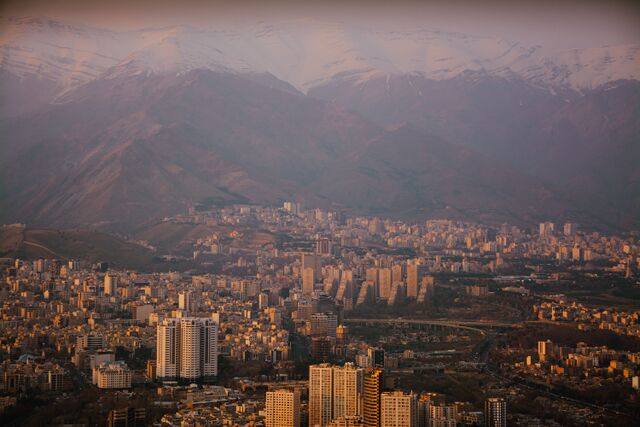
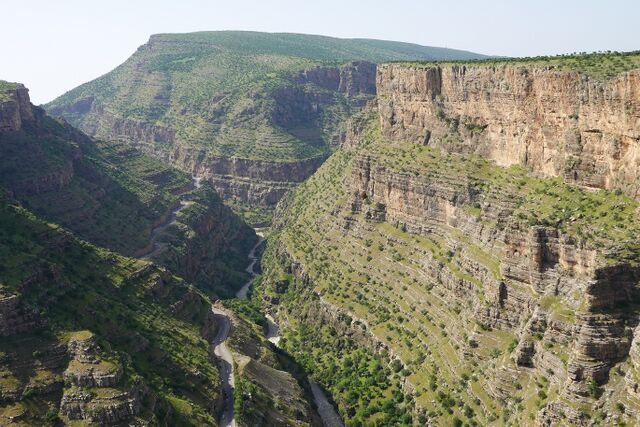
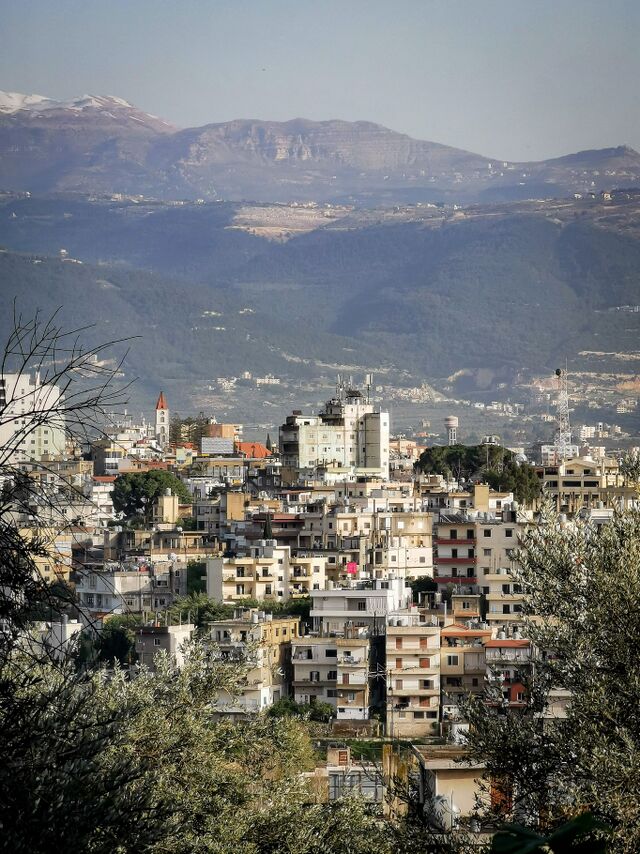
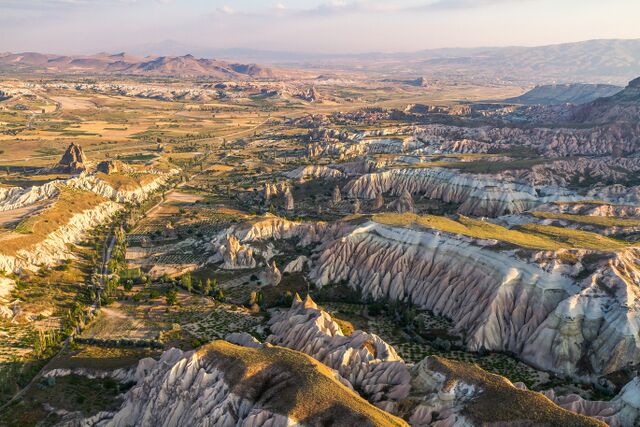
Iraq (Arabic: al-ʿIrāq) is a country in West Asia on the lower courses of the Tigris and Euphrates. Two plant names from the cuneiform texts of ancient Mesopotamia, azallû and qunnabu, have been read as hemp. The Assyriologist R. Campbell Thompson held the first identification certain; the Chicago Assyrian Dictionary calls azallû only a medicinal plant and qunnabu possibly hemp. Under the British Mandate a trial crop of hemp grew well at Rustam, but the government then prohibited its cultivation to meet the country's obligations under the International Opium Convention. The Narcotic Drugs and Psychotropic Substances Law No. 50 of 2017 forbids growing the cannabis plant except for medical or scientific purposes. Cannabis resin is smuggled into Iraq from Iran in the south and, in small amounts, from Afghanistan, Pakistan, Syria and Lebanon through the Kurdistan Region in the north. read more →
Portal:West Asia
More actions
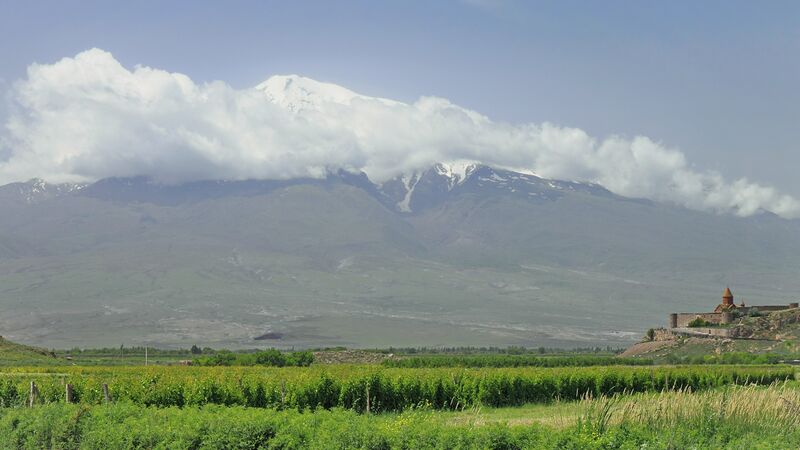
This portal covers the eight countries filed here under West Asia: Afghanistan, Armenia, Azerbaijan, Georgia, Iran, Iraq, Lebanon and Turkey. The United Nations statistical geoscheme places Afghanistan and Iran in Southern Asia; they are filed here, and Pakistan under South Asia.
Two plant names in the cuneiform texts of ancient Mesopotamia, azallû and qunnabu, have been read as hemp, though the Chicago Assyrian Dictionary allows only that qunnabu may be hemp. Medical manuscripts of the 9th to 18th centuries held in Baku describe hemp seed, its oil, the leaf drug bang and the resin, hashish. Under the Ottoman Empire hemp was a state-managed fibre crop, and the drug made from the plant, esrar, was first banned by an Ottoman decree of 1723. From 1926, when hashish began to enter Egypt in large quantities, Syria, Lebanon and Greece were among its main sources of supply.
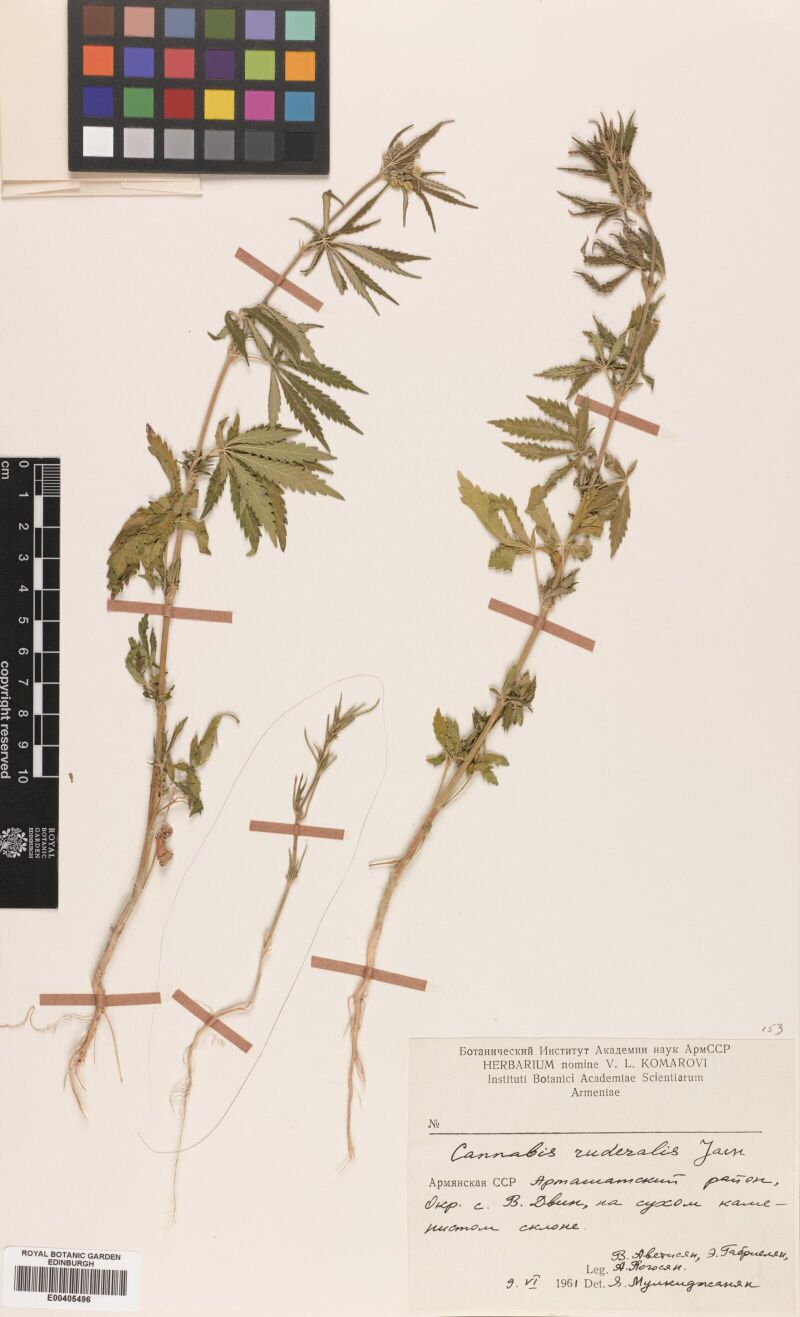
Wild and weedy forms of Cannabis sativa are common in Armenia along streams and rivers and on dry stony hills between 700 and 2,000 metres, and Cannabis ruderalis grows wild in the mountains of the Greater Caucasus in Azerbaijan. In Afghanistan a 2009 survey put cultivation at between 10,000 and 24,000 hectares, and its authors called the country the world's largest producer of hashish. Many of the accessions documented here come from Afghanistan.
73 accessions · 6 news items · 8 growing regions · 12 growing areas
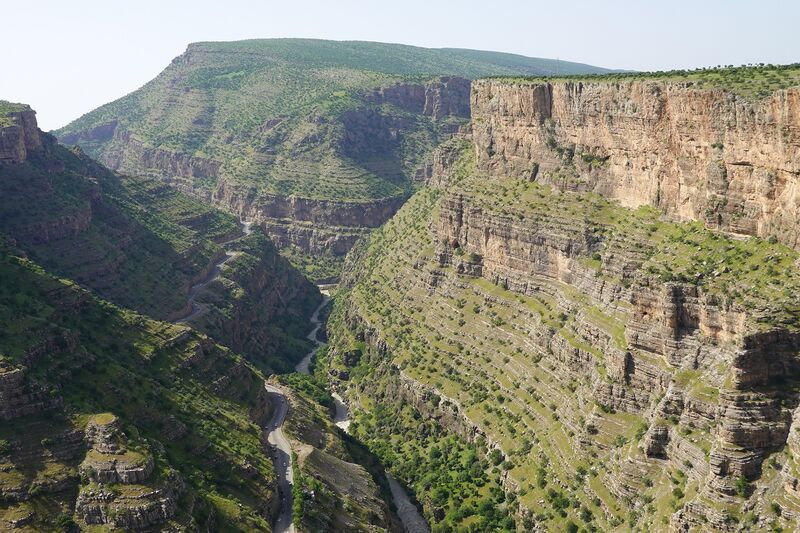
- ...that farmers in Afghanistan named 13 cannabis varieties to a 2009 survey, and that one of them, Mazari or Balkhi, made up well over half the crop?
- ...that hemp seed goes into aghandz, an Armenian snack of roasted wheat eaten at Easter and other festivals?
- ...that the Assyriologist R. Campbell Thompson thought it certain that azallû, a medicinal plant named in the cuneiform texts of what is now Iraq, was hemp?
- ...that the traveller Evliya Çelebi wrote that "all the world's hemp ropes" came from Samsun, on the Black Sea coast of Turkey?
- ...that in Iran the hashish pipe is still called nafir-e vahdat, the trumpet of unity with god?
- ...that in 2015 the Constitutional Court of Georgia held that imprisonment of seven to 15 years for buying and keeping up to 70 grams of dried marijuana for personal use was inhuman and cruel punishment?
- Growing regions
- Aegean Region (Turkey) · Black Sea Region (Turkey) · Central Afghanistan · Eastern Afghanistan · Hindu Kush · North-eastern Afghanistan · Northern Afghanistan · Southern Afghanistan
- Growing areas
- Balkh · Beqaa Valley · Bursa · Ereğli · Gümüşhacıköy · Helmand · Kandahar · Küçük Menderes Valley · Lice · Nangarhar · Taşköprü · Vezirköprü
West Asia · Asia · Countries · Growing regions · Growing areas · Accessions