Portal:History
More actions
The history of cannabis covers how people have grown, used, traded and regulated the plant. Its evidence is excavated finds, classical texts, colonial archives and the laws that followed. The Botany portal covers the plant's biology and classification, and the Culture portal covers living ritual and social practice.
Where and when cannabis became a crop are open questions (Domestication). The excavated finds that bear on them are on the map below.
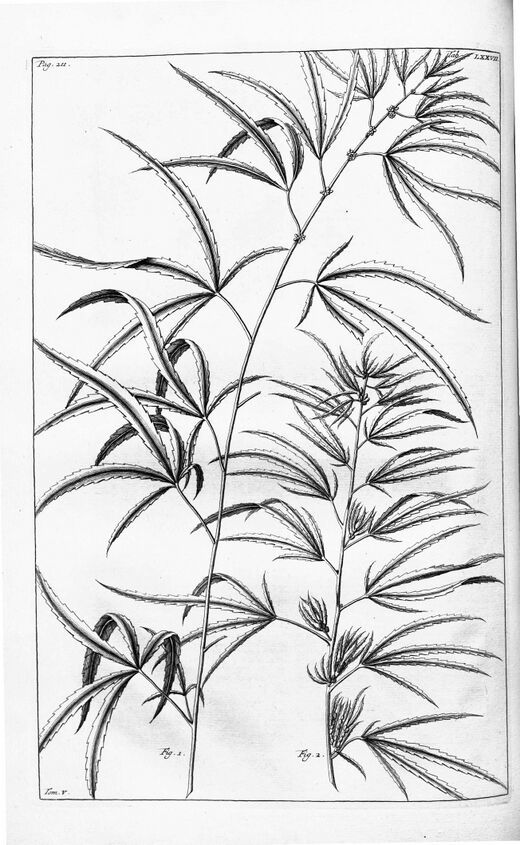
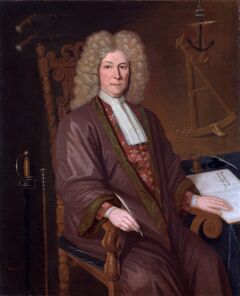
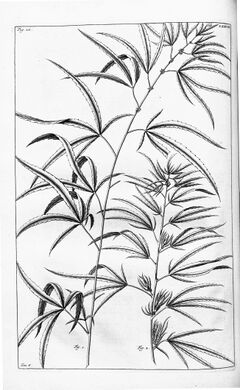
In the Chinese materia medica the plant has an entry from the Shennong bencao jing onward; E. Joseph Brand and Zhao Zhongzhen find that later texts gave more and more space to the seed (Cannabis in traditional Chinese medicine). On Ambon, Georgius Rumphius described the plant under the name Cannabis indica about 1690, before Lamarck's description of the species in 1785. From 1513 the Spanish Crown sent hemp seed to the Indies, wanting the fibre for its ships' rigging, cables and sails (Cannabis in the Spanish Empire).
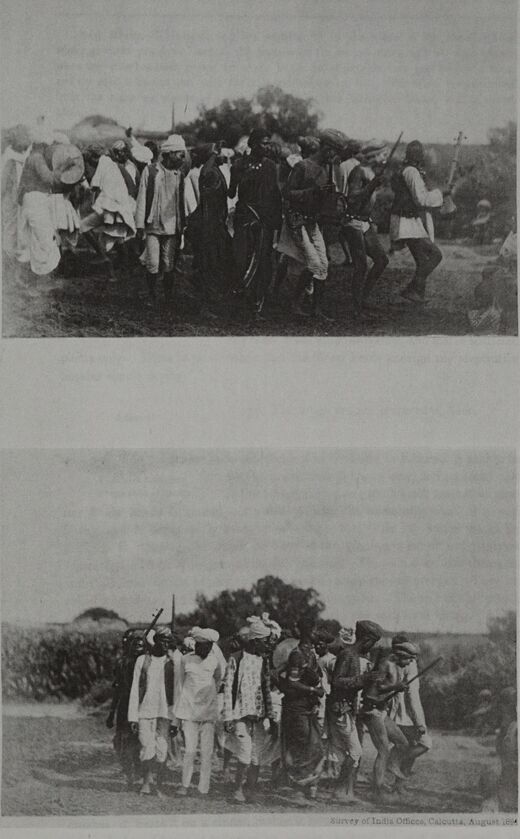
In the Bengal Presidency the colonial state taxed ganja, bhang and charas through licences from the 1790s, and in 1894 the Indian Hemp Drugs Commission recommended that the Bengal system of ganja administration be followed in other provinces (Bengal Presidency cannabis trade). By then Burma had prohibited cultivation and consumption from 1873–74. Charas came over the Karakoram from Yarkand until the authorities of Xinjiang prohibited its export in the 1930s (Yarkand charas trade). The Philippines made "Indian hemp (marihuana)" a prohibited drug in 1953.
21 sites are listed in Category:Archaeological sites. The map shows those whose excavation reports give coordinates and, as diamonds, the sites with a find reported in a review (the reported finds).
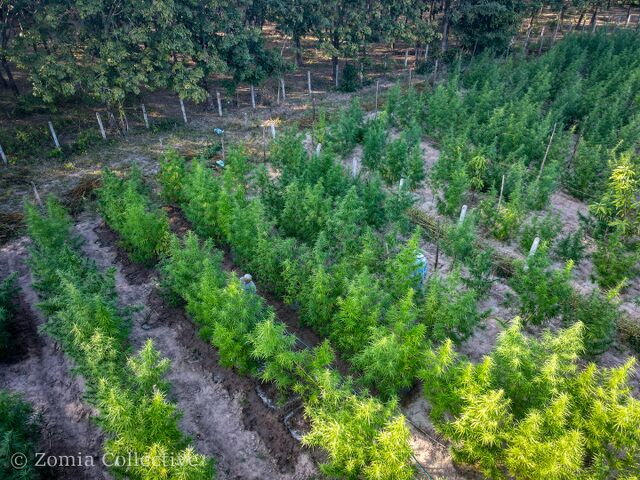
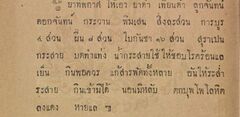
Hang kra rog (หางกระรอก, "squirrel's tail") is a Thai name for a type of cannabis associated with the Phu Phan range in Sakon Nakhon Province, in north-eastern Thailand. The name refers to inflorescences that resemble the tail of a squirrel. Hang Kra Rog Phu Phan ST1, a line selected from seed matched to the descriptions of folk doctors in Sakon Nakhon, was one of five cannabis cultivars registered with Thailand's Department of Agriculture by January 2022. After Thailand allowed the medical use of cannabis in 2019, Thai medical programmes, universities and the press used the name for the cannabis grown in Sakon Nakhon. Some Thai writers equate it with Thai stick.
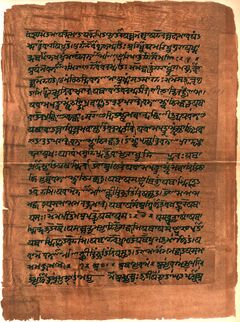
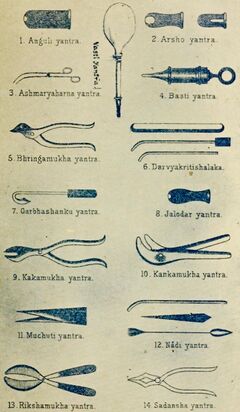
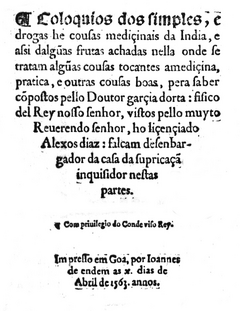
Written before 1800, oldest first.

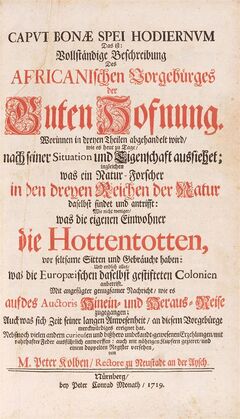
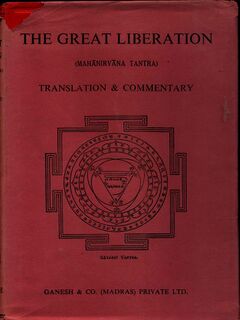
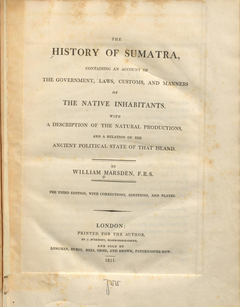
Later sources by period: 19th century · 20th century · 21st century
Africa: Angola · Kenya · Nigeria · South Africa
Americas: Brazil · Chile · Mexico
Oceania: Australia · Papua New Guinea
- ...that in Brand and Zhao's translation the Shennong bencao jing says of the cannabis inflorescence that "excessive consumption causes one to see ghosts and run about frenetically" (see Cannabis in traditional Chinese medicine)?
- ...that a royal cédula charging the Crown's officials in the Indies to have flax and hemp sown is printed with the year 1554 in Encinas's compilation of 1596 and with 1545 in the Recopilación of 1681 (see Cannabis in the Spanish Empire)?
- ...that in 1894 the Indian Hemp Drugs Commission called charas "practically a foreign article" in India and "the principal import from Yarkand" (see Yarkand charas trade)?
- ...that the Indian Hemp Drugs Commission called Burma the one case in British India where control of the hemp drugs by taxation had been "definitely abandoned"?
- Write the spread of the plant: Cannabis on the Silk Road, Spread of cannabis to Africa and Spread of cannabis to the Americas
- Write a country's history: History of cannabis in China, History of cannabis in Mexico or History of cannabis in South Africa
- Write the excavation sites: Hochdorf Chieftain's Grave and Oseberg ship burial
- Research historical texts: find and translate references to cannabis in early and colonial documents, and trace every date to the excavation report or the edition
- Find historical photographs: locate archival plates and photographs of cultivation, trade and use, with their source and date