
The encyclopedia and open conservation database for landrace cannabis populations, their genetics and the traditional knowledge that sustains them.
Accession Map
Filter by collection year, classification, priority or provenance, and select a marker for accession details. Every figure on this card describes the accessions currently shown. A further 448 documented accessions carry no coordinates yet and cannot be mapped.
Explore the database
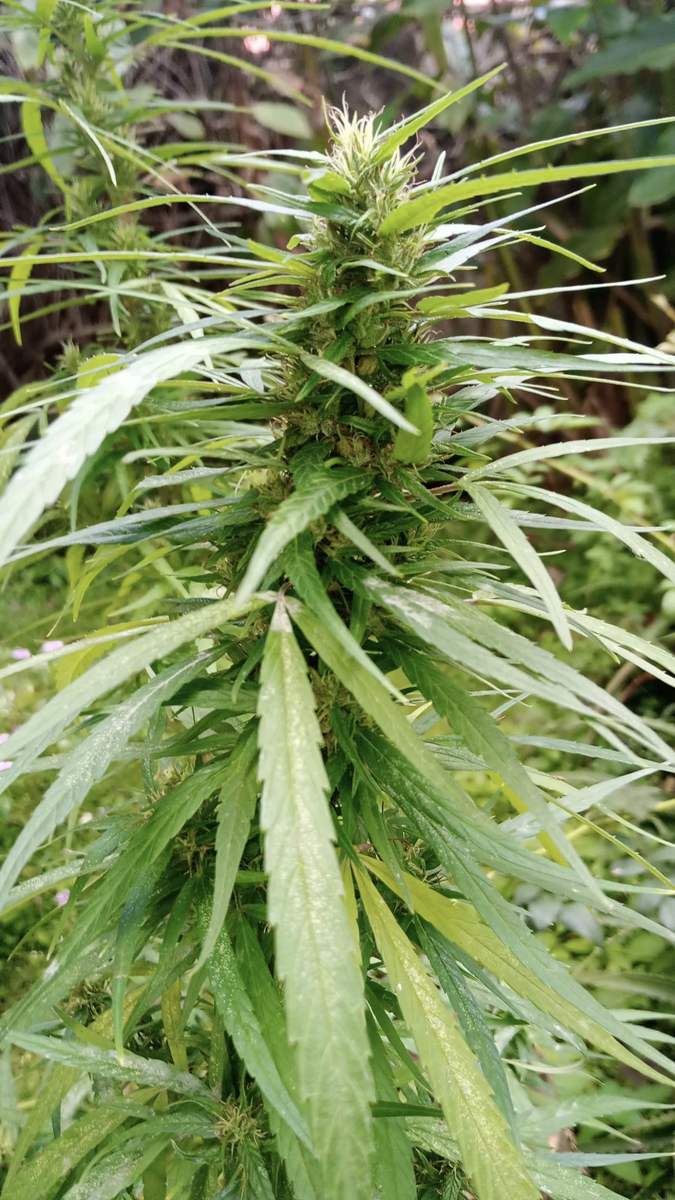
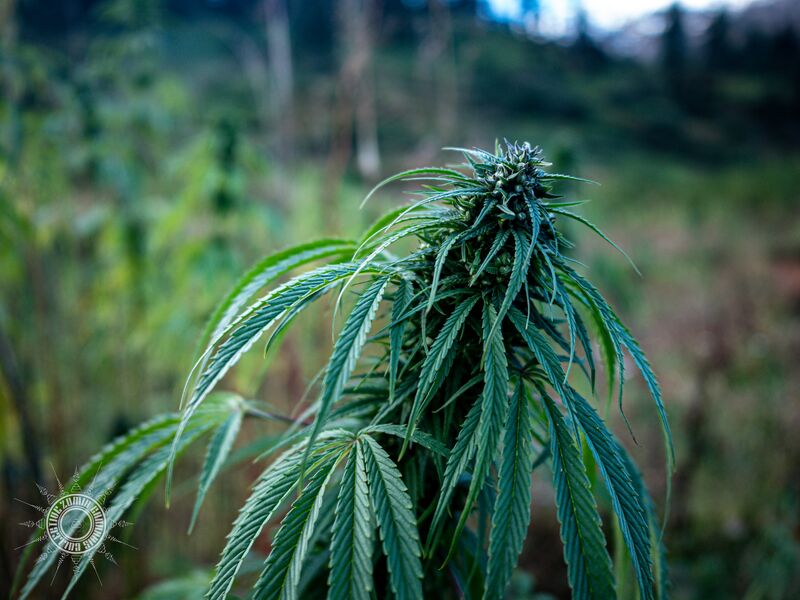
Dzamal (South) General Population 2025
Dzamal (South) General Population 2025 is a landrace cannabis accession from Betroka District, southern Madagascar. The Real Seed Company (RSC) lists the line as Dzamal from southern Madagascar and classifies it as a Malagasy landrace.
Featured growing regions and areas
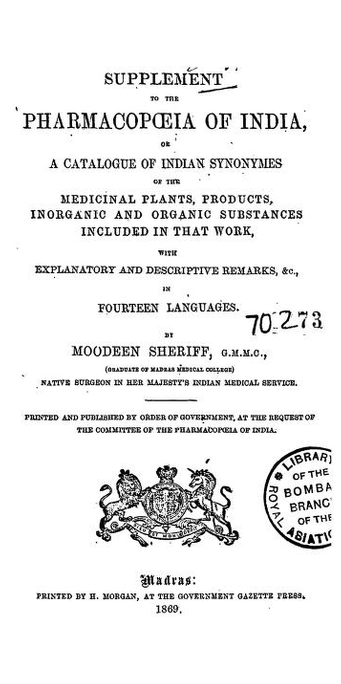
Supplement to the Pharmacopoeia of India (1869)
The Supplement to the Pharmacopœia of India is a catalogue of the Indian names of medicinal
plants and drugs, compiled by Moodeen Sheriff, a Native Surgeon in the Indian Medical Service, and printed at Madras by order of government in 1869. Its full title describes it as a "catalogue of Indian synonymes of the medicinal plants, products, inorganic and organic substances included in that work, with explanatory and descriptive remarks, &c., in fourteen languages", the work in question being the Pharmacopoeia of India of 1868. Its entry 138 gives the names of Cannabis sativa and of four of its parts in up to fourteen
languages.The book was printed by order of government at the request of the committee of the Pharmacopoeia of India. Sheriff's preface states its purpose plainly: now that the Pharmacopoeia had appeared, European practitioners who wanted to use Indian medicines would have to buy plants and drugs in the bazaar, and could not do so without the local names. It is an official publication as much as a work of scholarship. The vocabulary it preserves is a record of that administrative purpose as well as of the words themselves.
Sheriff writes of "Indian Hemp" and of the plant as Cannabis sativa; this article uses cannabis for the plant and keeps his spellings, accents and italics when quoting his names. read more →
Encyclopedia
Latest publications
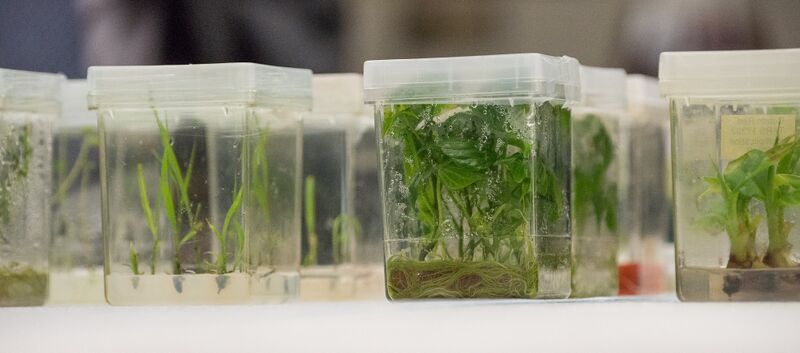 Venue: Agriculture and Natural Resources
Latest reporting
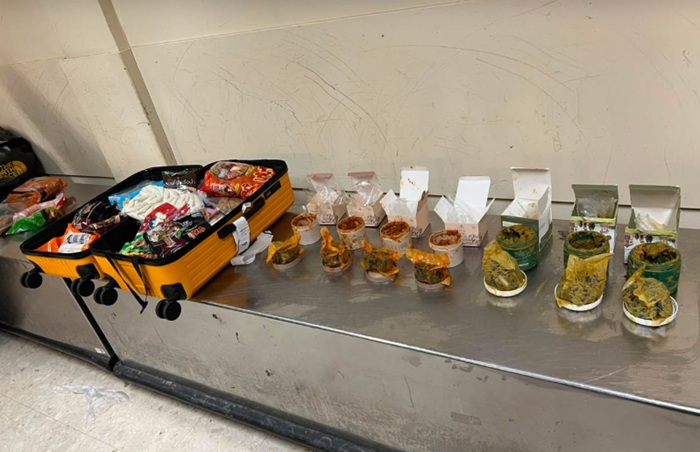
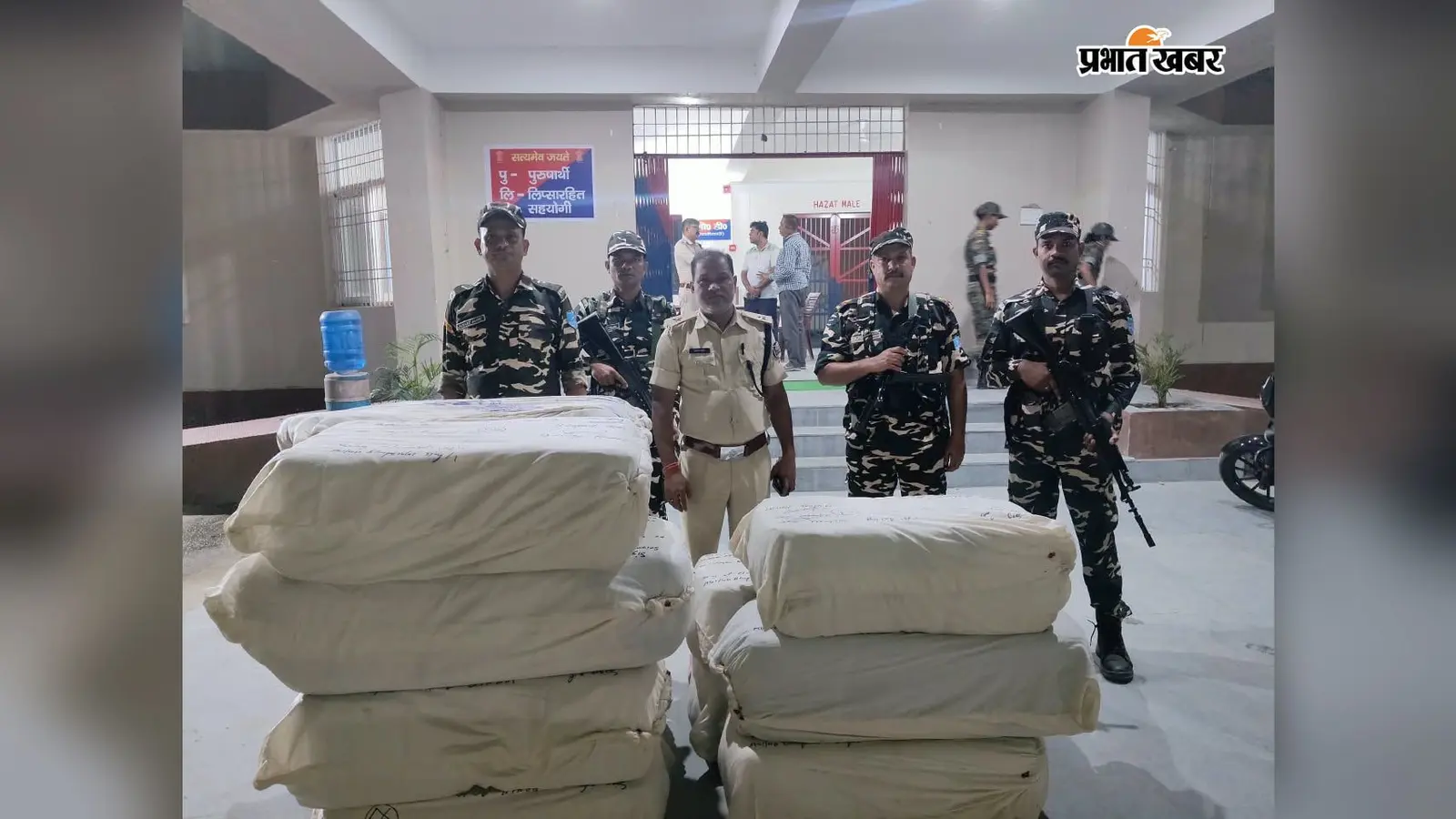

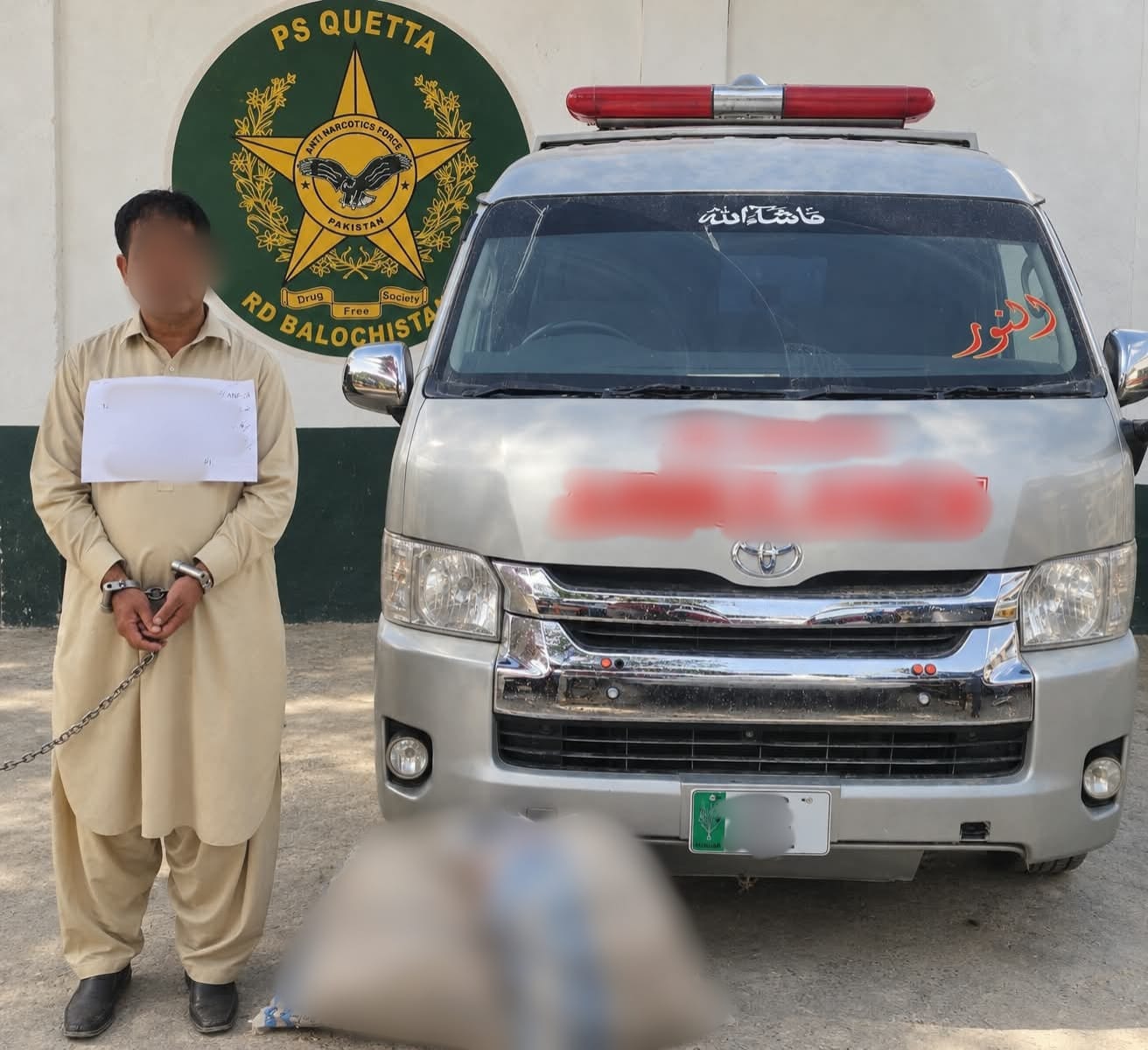

Eradications
Recently updated
Start with the record
Learn what an accession is, how to read its fields and maps, and what its conservation priority means.
Know a landrace? Help document it.
Field observations, photographs, corrections, sources and translations all strengthen the open record.