
Main Page
More actions
.png)
Landrace.wiki
The open database for landrace cannabis populations, their genetics and the traditional knowledge that sustains them.
Explore the Database
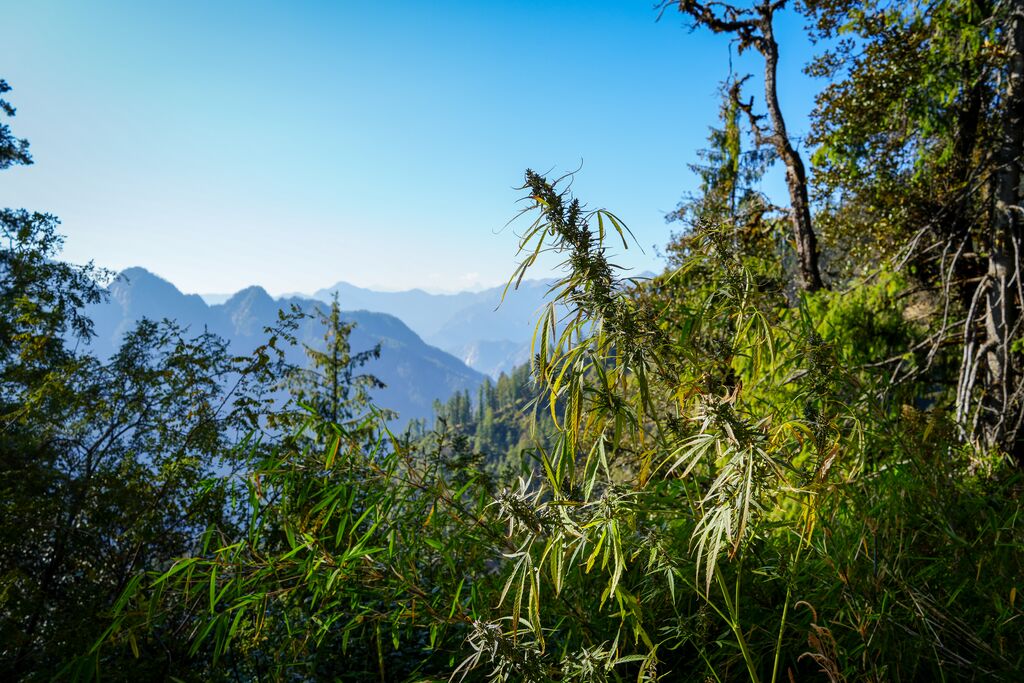
ZOM-IND-HIM-1120251700
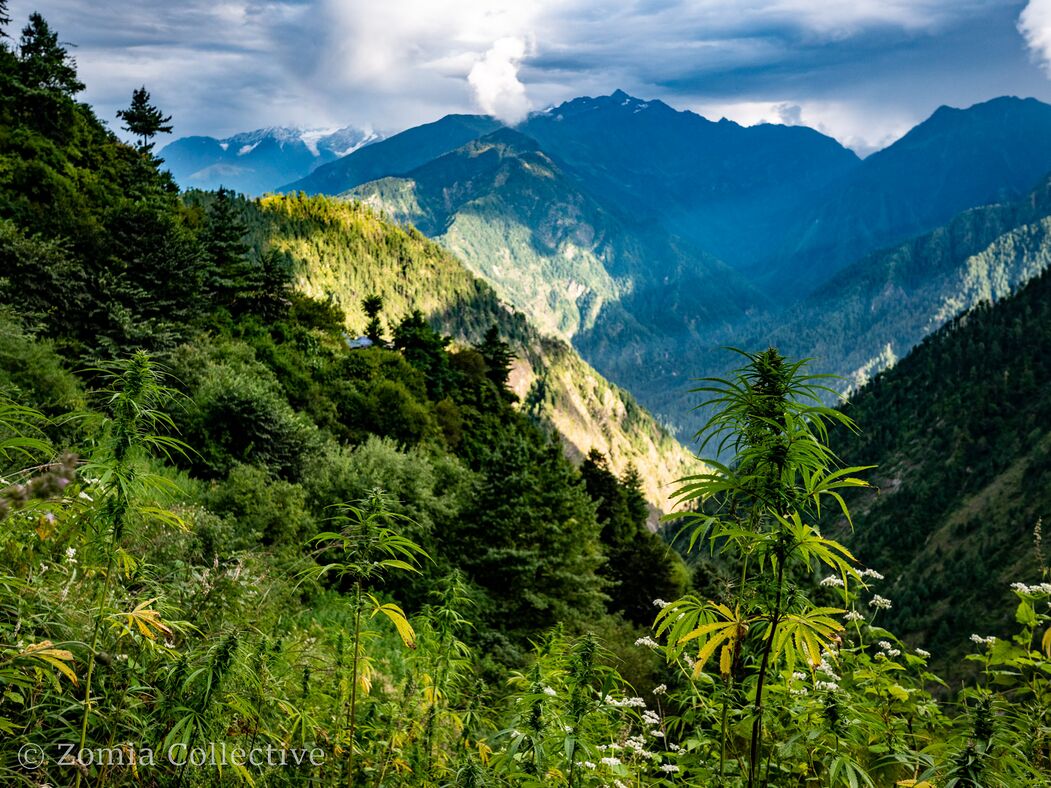
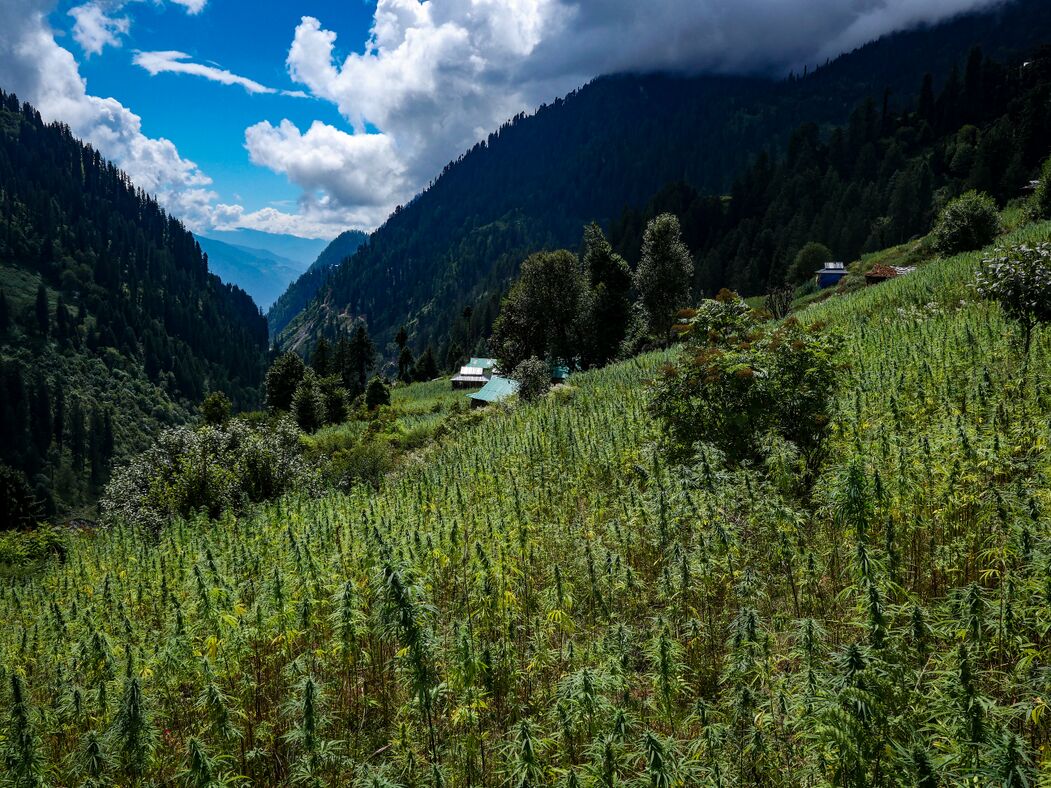
Grahan Village General Population 2025 is a domesticate landrace cannabis accession collected by Roy of the Zomia Collective in Himachal Pradesh, India.
Cannabis in Cooch Behar State
The history of cannabis in Cooch Behar State covers the cultivation, consumption, trade and regulation of cannabis in the princely state of Cooch Behar, a feudatory state of British India in the north Bengal sub-Himalaya, from the later nineteenth century until the state's merger into West Bengal in 1950. The state regulated cannabis under its own Cooch Behar Excise Act of 1878, operating a licensed excise system that drew its structure from the Bengal Presidency model but distributed ganja through state-run warehouses, the golahs, rather than through the caste-managed contractor system used in the directly administered districts.
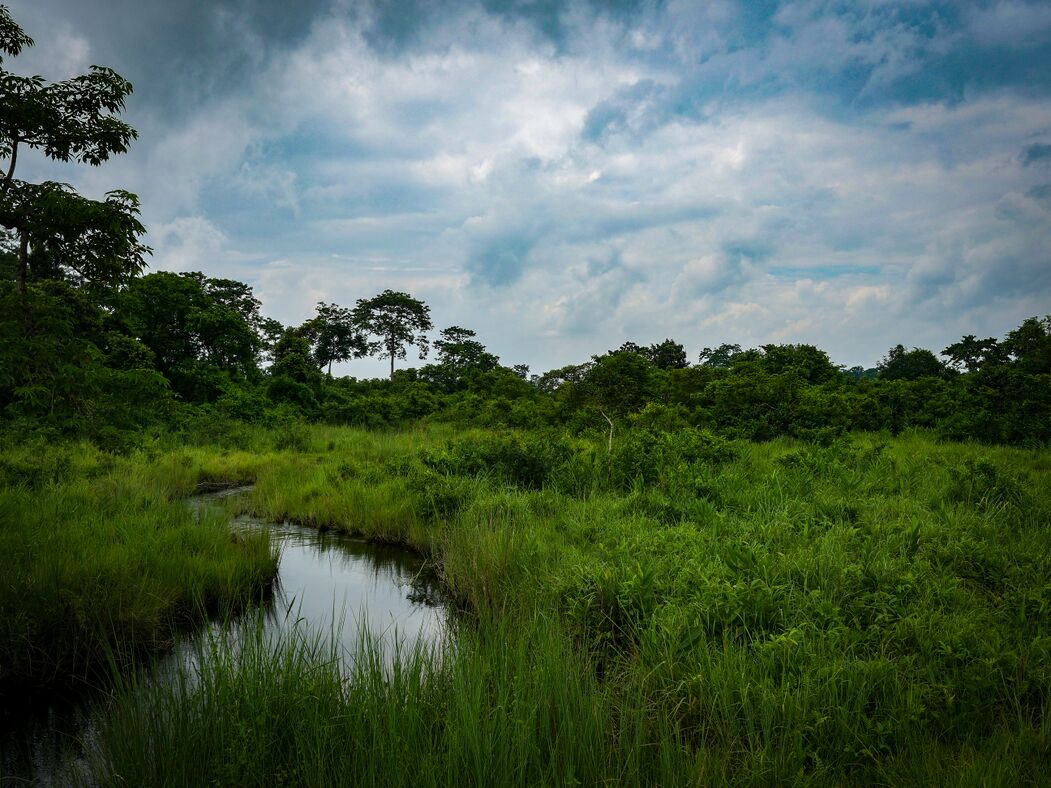
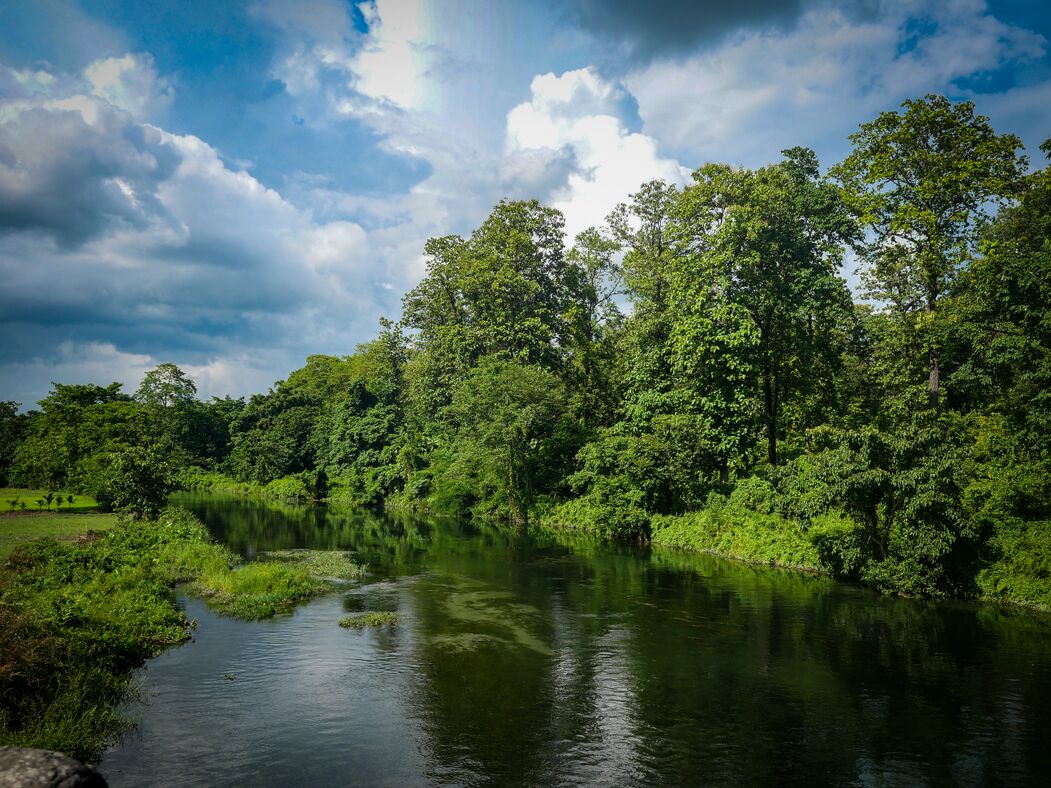
Cannabis grew wild across the territory as a weed of the sub-Himalayan belt, and ganja and bhang were in customary use among the Rajbanshi cultivating community and the Bengali Muslim settlers of the southern parganas. Commercial cultivation was prohibited within the state, which procured its ganja by import from the Bengal Presidency Ganja Mahal in neighbouring Rajshahi and issued it for retail from the sub-divisional golahs. The system tracked the Bengal Presidency on rates and procedure, returned a steady minor revenue and operated for some seven decades without significant public-order disturbance.
Cooch Behar acceded to the Indian Union in 1949 and merged into West Bengal as Cooch Behar district in 1950, when its excise law was assimilated to the Bengal-derived Indian framework and the 1878 Act was superseded. The simple homestead agronomy of the state's cultivator population is the substrate from which the surviving landrace cannabis populations of the present Cooch Behar district descend. read more →
Encyclopedia
Latest reporting
Latest publications
Cannabis eradications
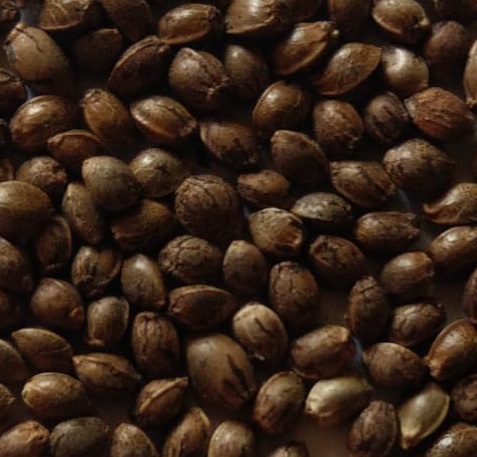
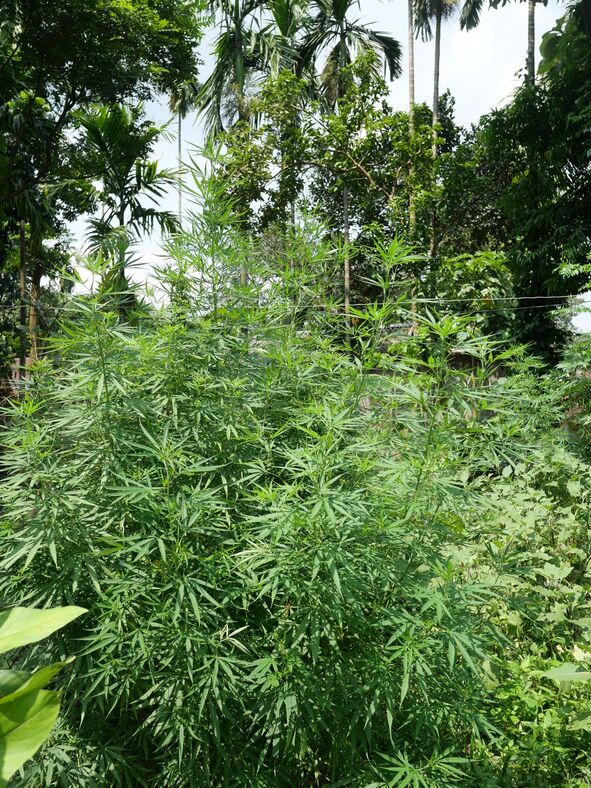
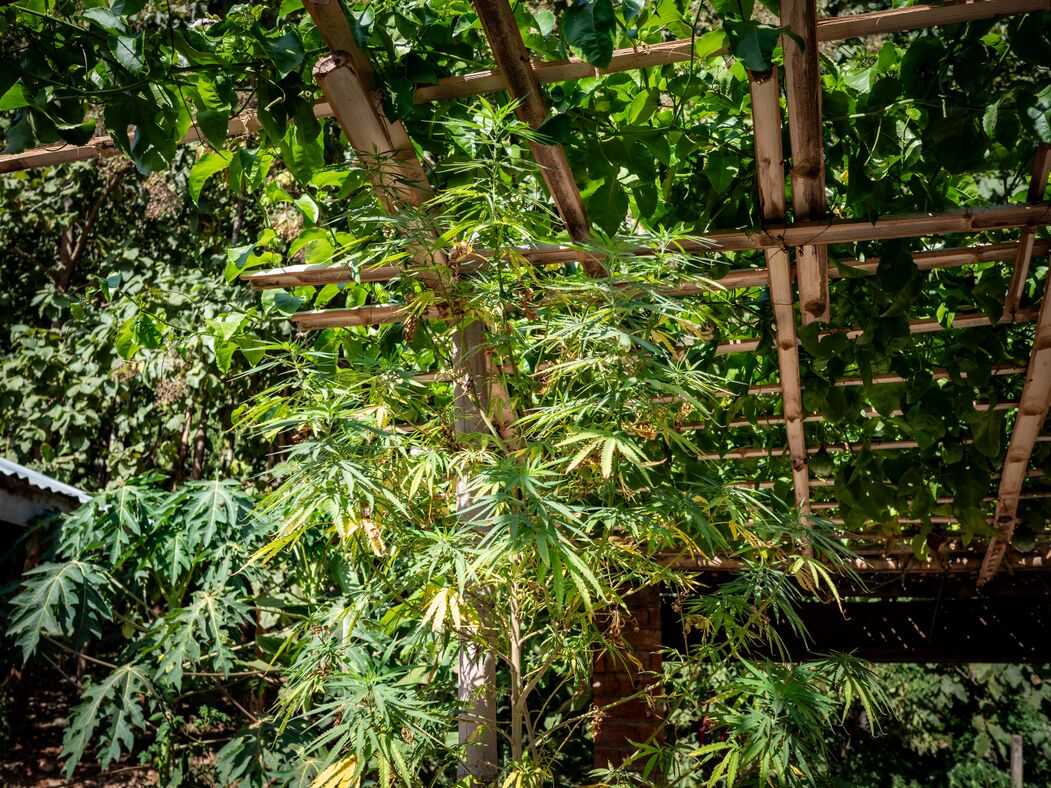
We are witnessing the rapid disappearance of traditional cultivation knowledge and genetic diversity in cannabis. These landrace populations represent thousands of years of natural and human selection, containing unique genetic traits and chemical profiles. Systematic documentation and conservation efforts can serve as a bridge, preserving irreplaceable genetic heritage while supporting traditional communities and advancing our understanding of this remarkable plant.
Recent updates