
Main Page
More actions
.png)
Landrace.wiki
The open database for landrace cannabis populations, their genetics and the traditional knowledge that sustains them.
Landrace.wiki is the open database for landrace cannabis populations, their genetics and the knowledge around them. Browse documented accessions, track conservation efforts and contribute to preserving genetic diversity before it’s lost.
Explore the Database
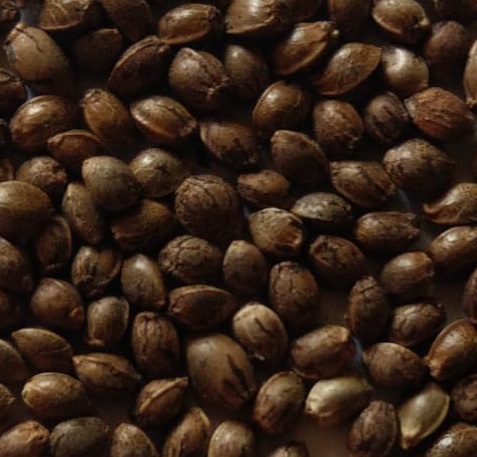
RSC-LAO-VIE-0120220001
Central Lao General Population 2022 is a landrace cannabis accession sourced by Angus of The Real Seed Company from Vientiane Province, Laos.
Ganja Society
Ganja Society, formally the Naogaon Ganja Cultivators' Co-operative Society Ltd (Bengali: নওগাঁ গাঁজা চাষি সমবায় সমিতি লিমিটেড), was the growers' cooperative that held the licensed ganja monopoly of the Ganja Mahal, the Bengal Presidency's sole permitted cannabis-cultivation tract, from its registration in 1917 until the prohibition of cultivation in 1987. Formed when the Naogaon cultivators collectively withdrew their cultivation licences in 1916, the society took over the purchasing, grading, warehousing and sale of ganja that had until then been managed through licensed brokers under direct Excise Department supervision, the member-cultivators thereby holding the monopoly collectively.
The society was based at Naogaon, in what is now north-western Bangladesh. Its relationship to present-day West Bengal follows that of the Ganja Mahal itself: the cultivation tract and the cooperative both lay in the territory that became East Pakistan in 1947, while the downstream consumption markets and the wholesale and retail trade remained with West Bengal and Calcutta. The cooperative outlasted the end of cultivation and continued in a reduced, custodial form into the twenty-first century. read more →
Encyclopedia
Latest reporting
Latest publications
Cannabis eradications
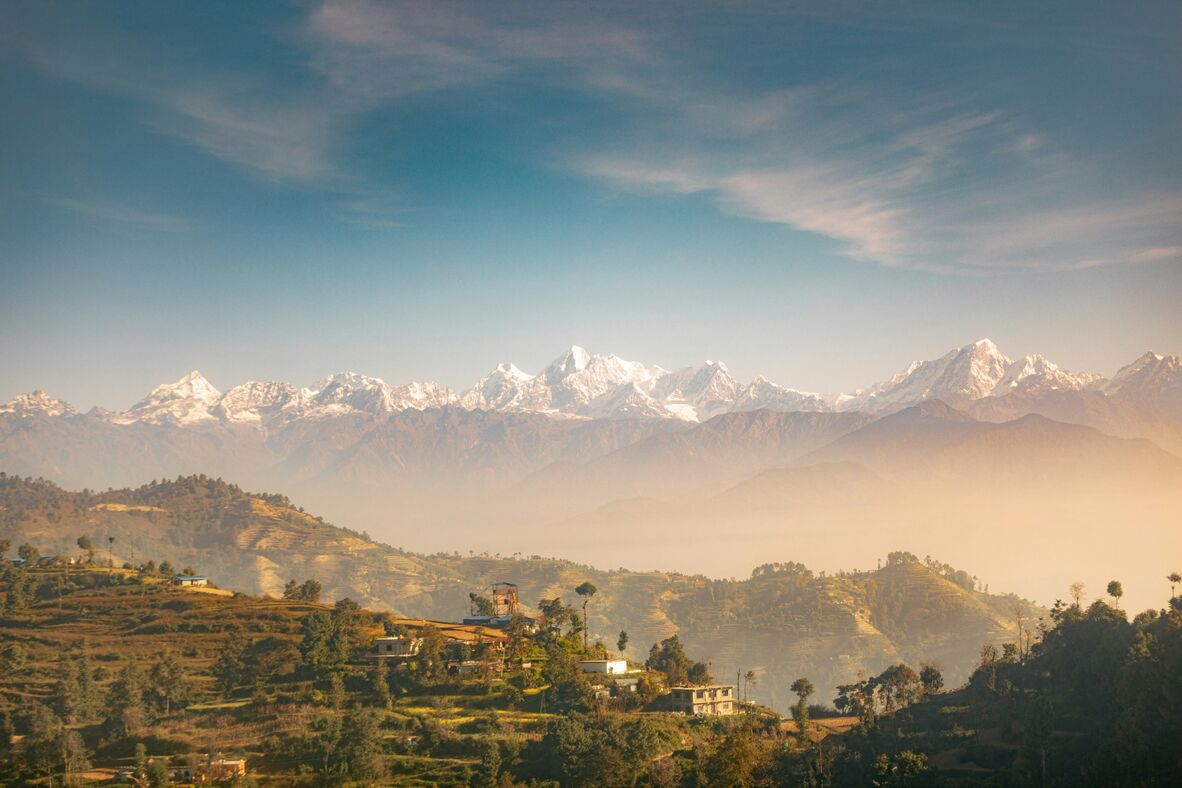
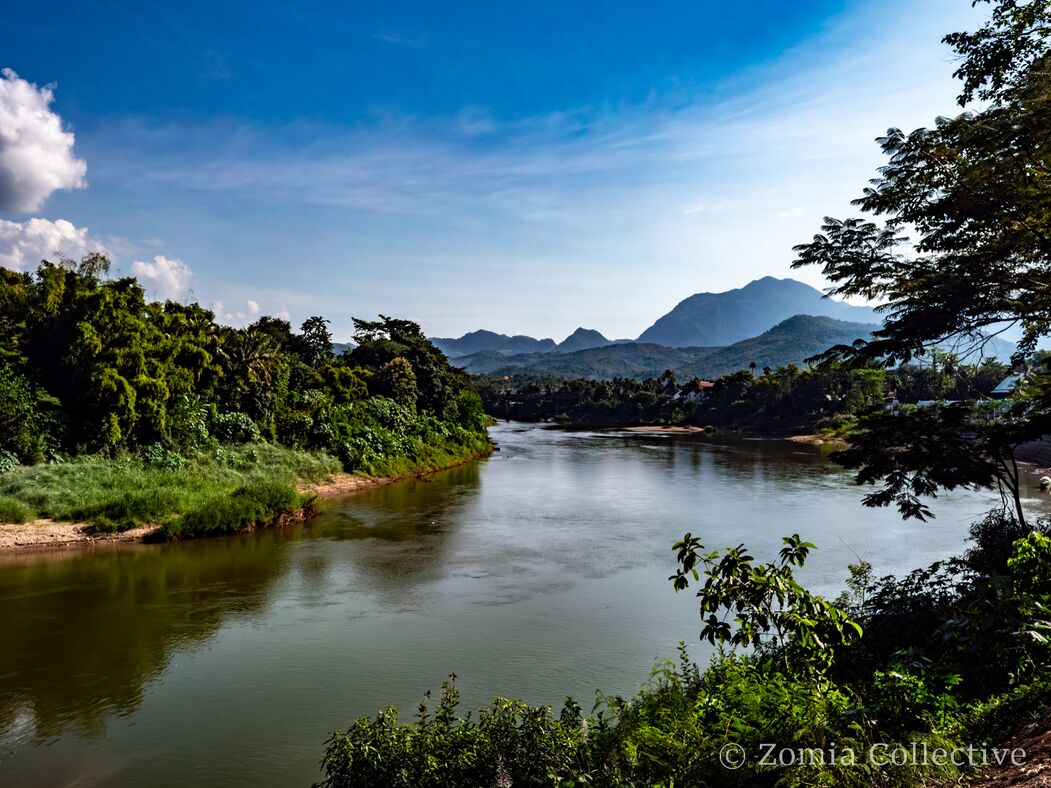
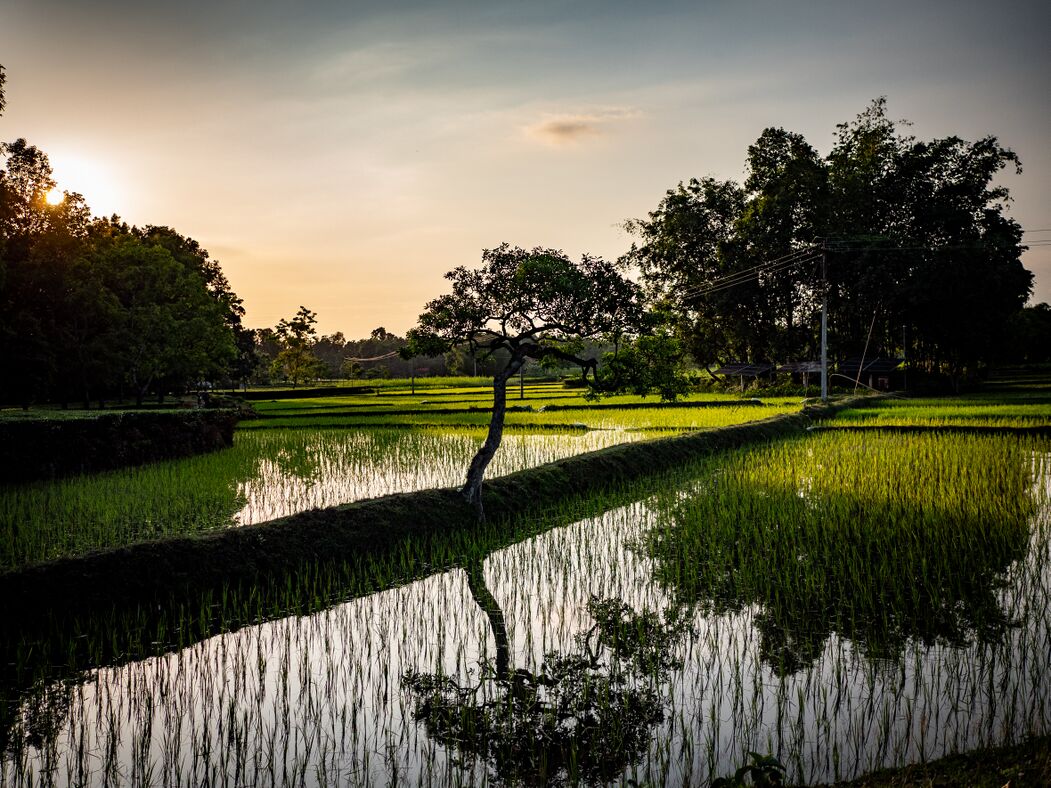
Featured Growing Regions
Featured Accessions
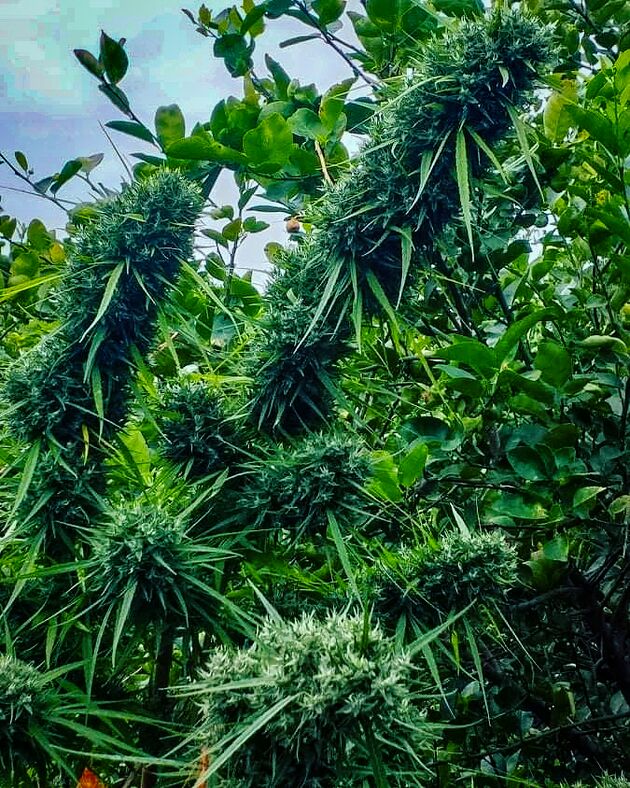
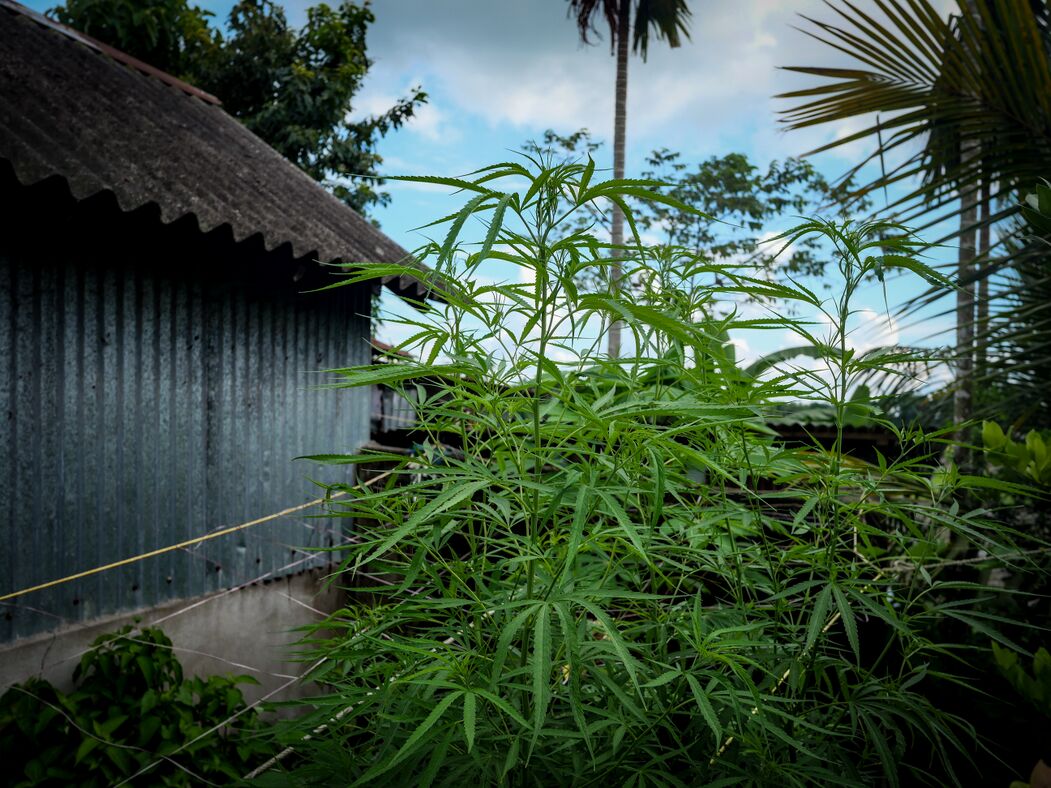
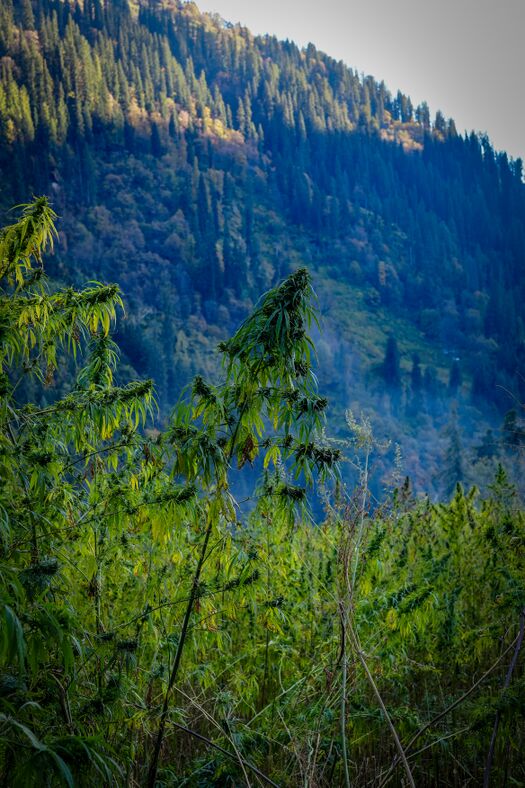
We are witnessing the rapid disappearance of traditional cultivation knowledge and genetic diversity in cannabis. These landrace populations represent thousands of years of natural and human selection, containing unique genetic traits and chemical profiles. Systematic documentation and conservation efforts can serve as a bridge, preserving irreplaceable genetic heritage while supporting traditional communities and advancing our understanding of this remarkable plant.
Recent updates