
Main Page
More actions
.png)
Landrace.wiki
The open database for landrace cannabis populations, their genetics and the traditional knowledge that sustains them.
Landrace.wiki is the open database for landrace cannabis populations, their genetics and the knowledge around them. Browse documented accessions, track conservation efforts and contribute to preserving genetic diversity before it’s lost.
Explore the Database
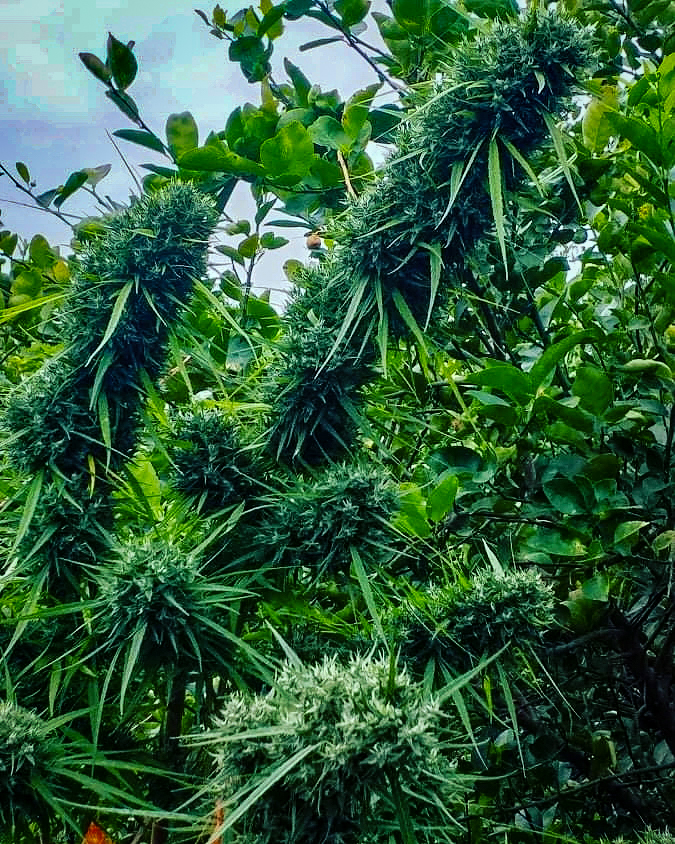
ZOM-THA-WES-0420250001
Kroeng Krawia General Population 2024 is a domesticate landrace cannabis accession collected by Éloïse of the Zomia Collective in Kanchanaburi Province, Thailand.
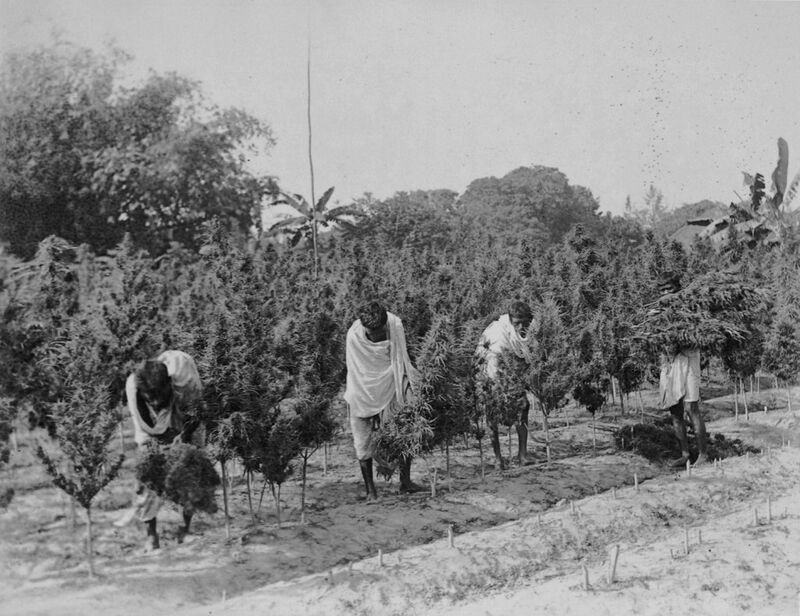
Ganja Mahal

Ganja Mahal was the licensed ganja-cultivation tract of the Bengal Presidency, the only area in which the cultivation of cannabis for the production of narcotic ganja was permitted under the colonial excise system. Consolidated from the 1850s into a compact zone astride the districts of Rajshahi, Bogra and Dinajpur in northern Bengal, with its administrative headquarters at Naogaon, the Mahal was the source of almost all the ganja legally traded in Bengal and, after 1894, the model on which the Indian Hemp Drugs Commission recommended that cannabis cultivation be regulated across British India.
The term mahal denotes a revenue estate in Bengal administrative usage; the Ganja Mahal was unusual in being defined not by a landholding boundary but by an excise monopoly on a single crop. Licensed cultivation was confined within the tract, manufactured ganja was held under bond in government warehouses (gola), and duty was levied as the drug passed out of the warehouse to the wholesale trade.
The tract lay entirely within what is now north-western Bangladesh. … read more →
Encyclopedia
Latest reporting
Latest publications
Cannabis eradications
Featured Growing Regions
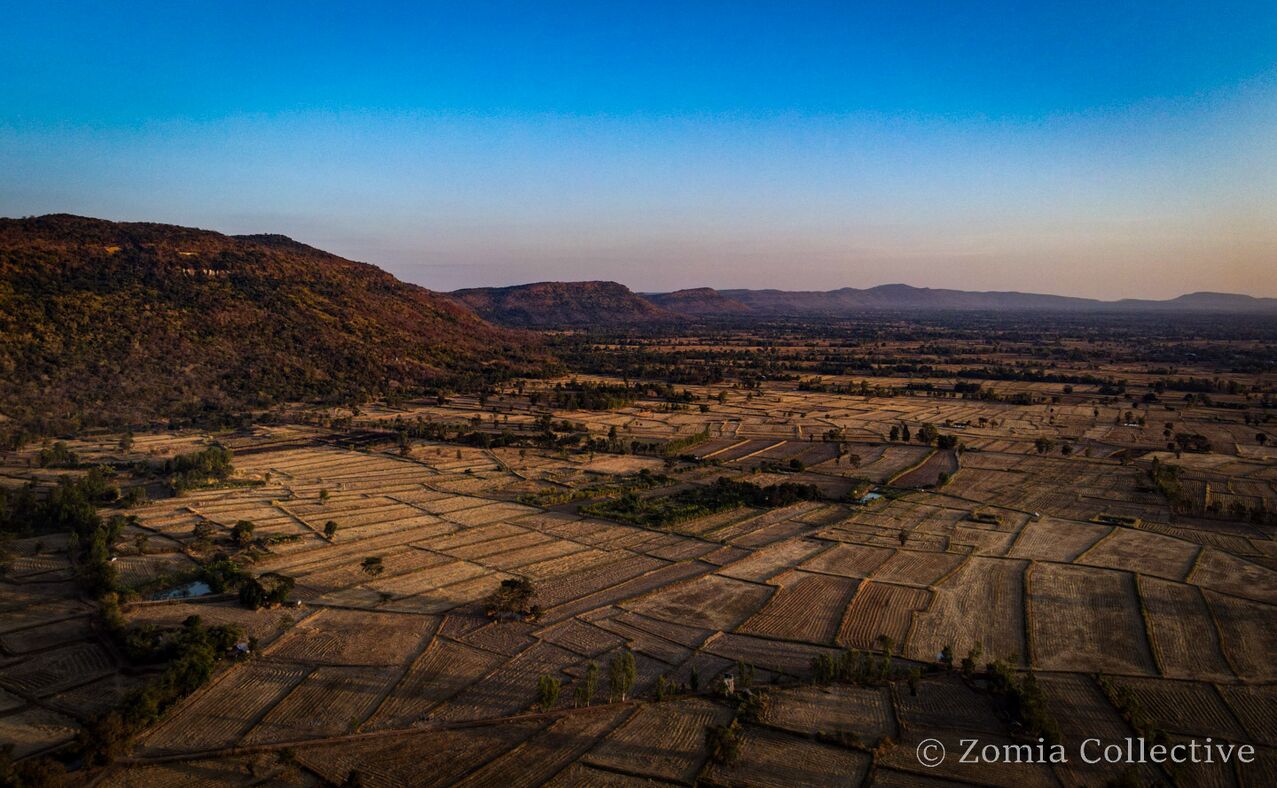
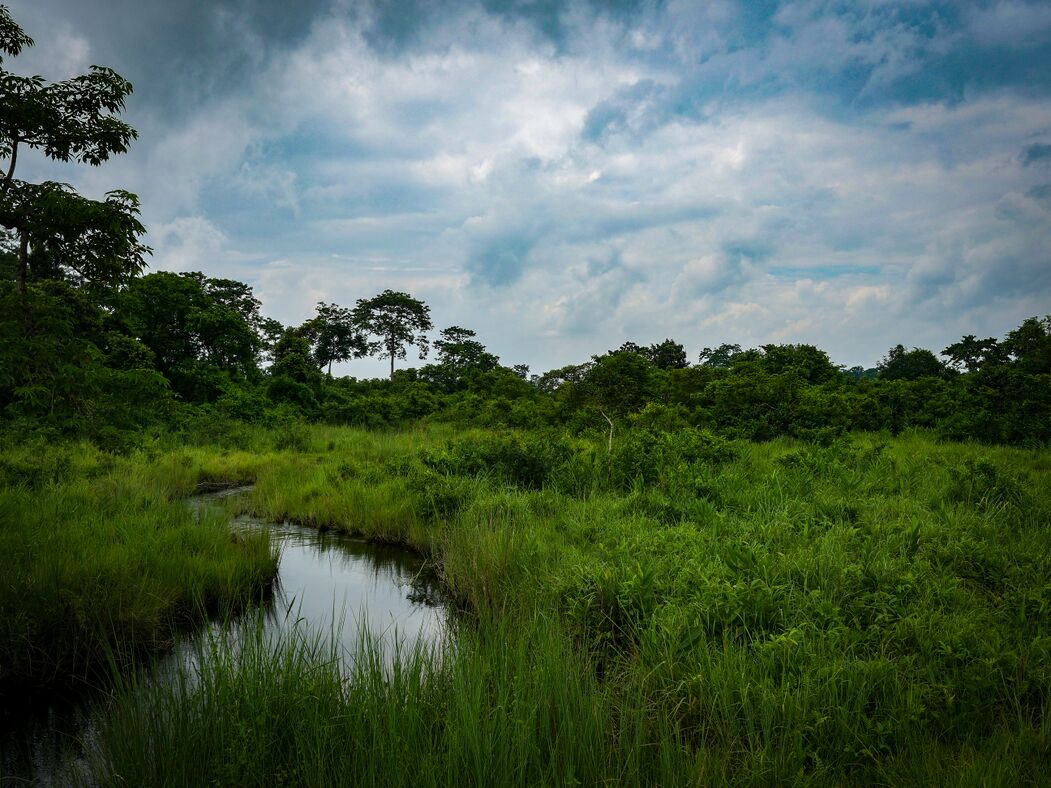
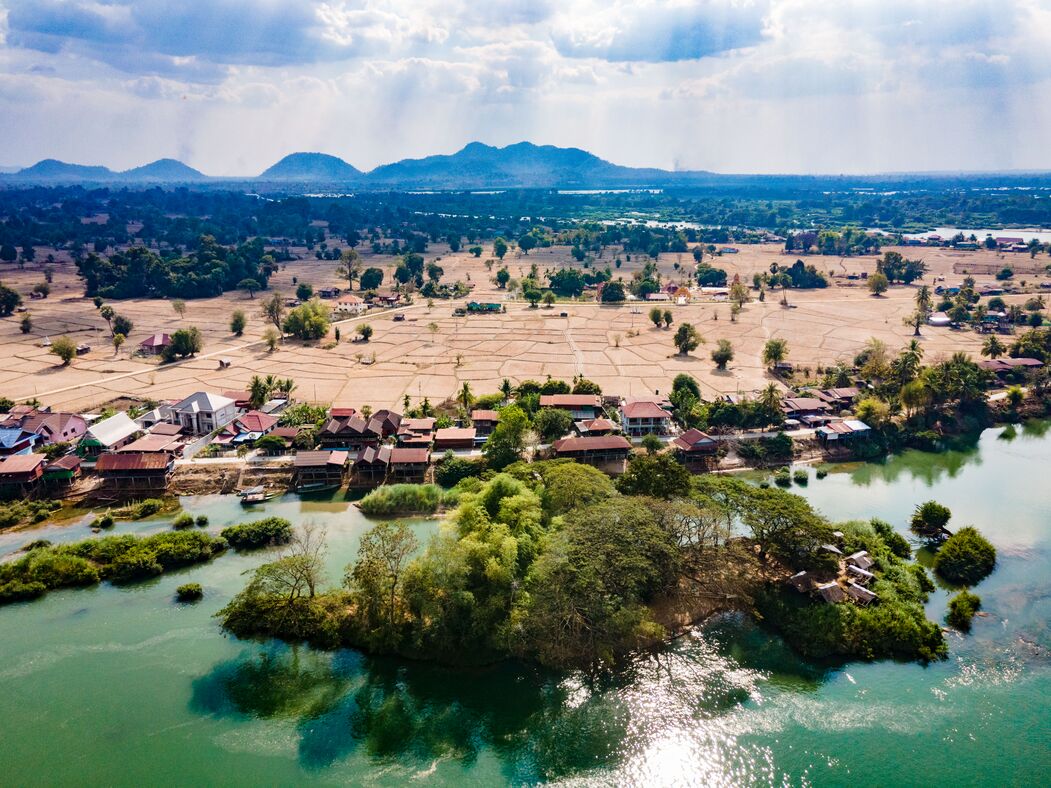
Featured Growing Areas
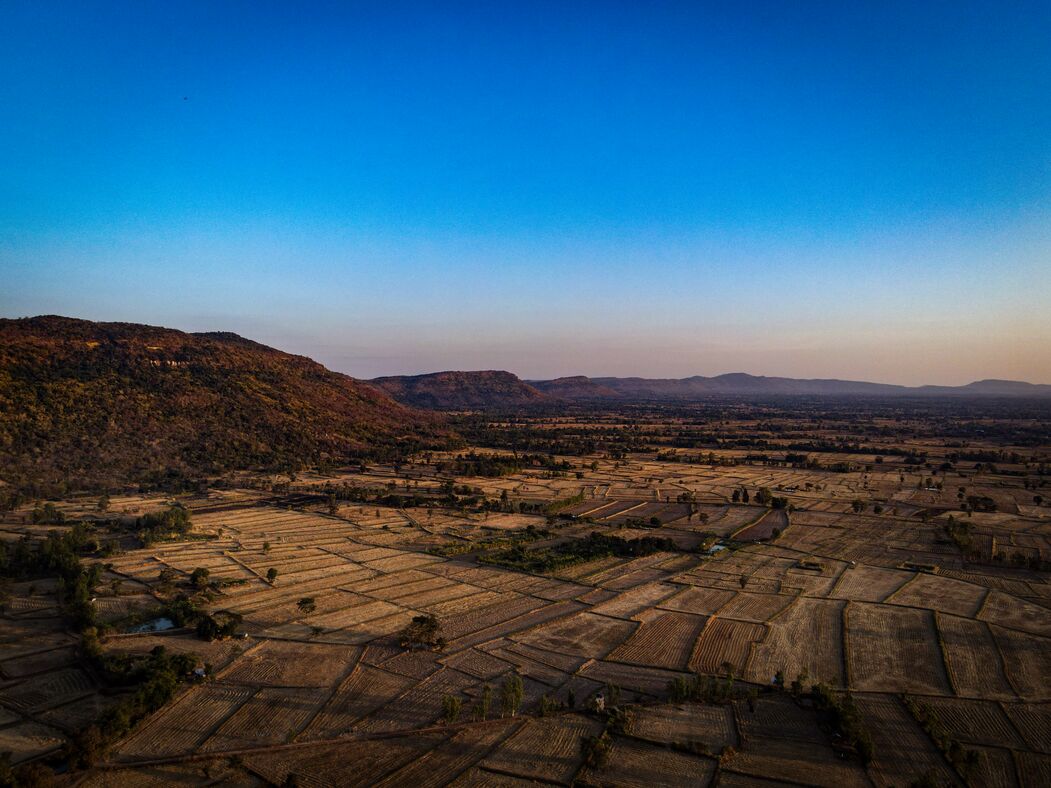
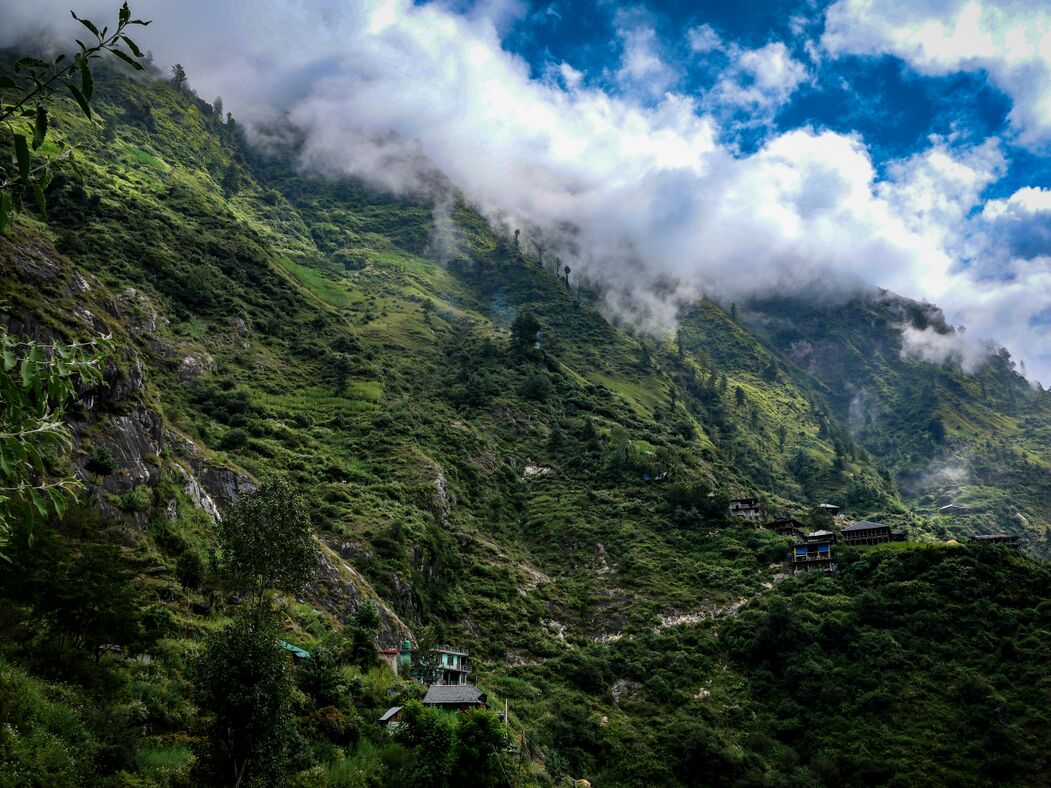
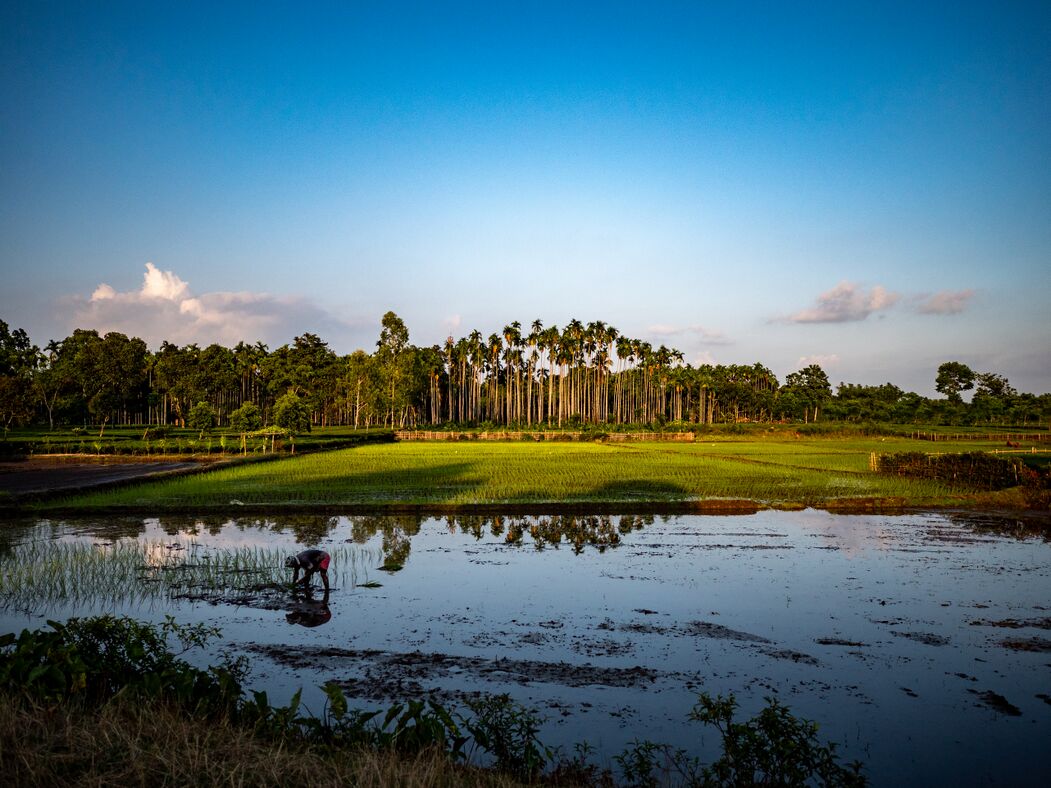
Featured Accessions
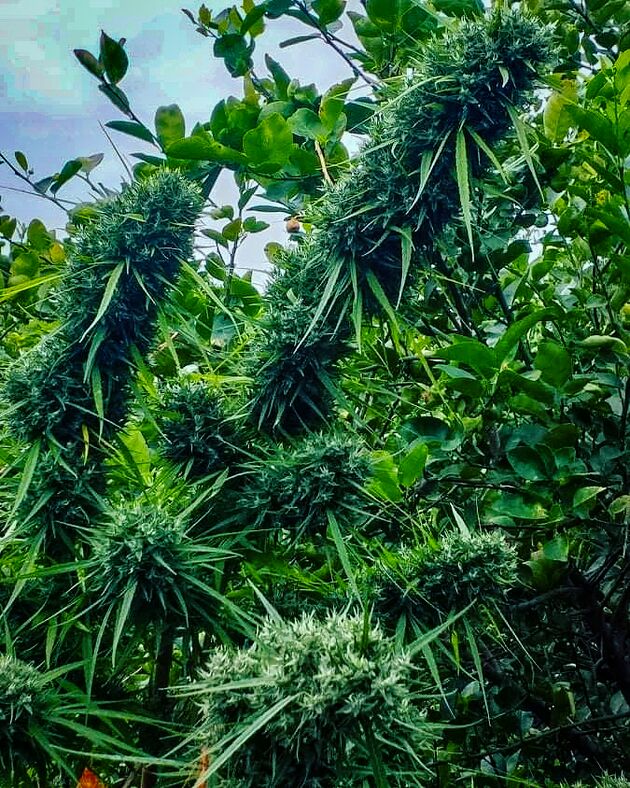
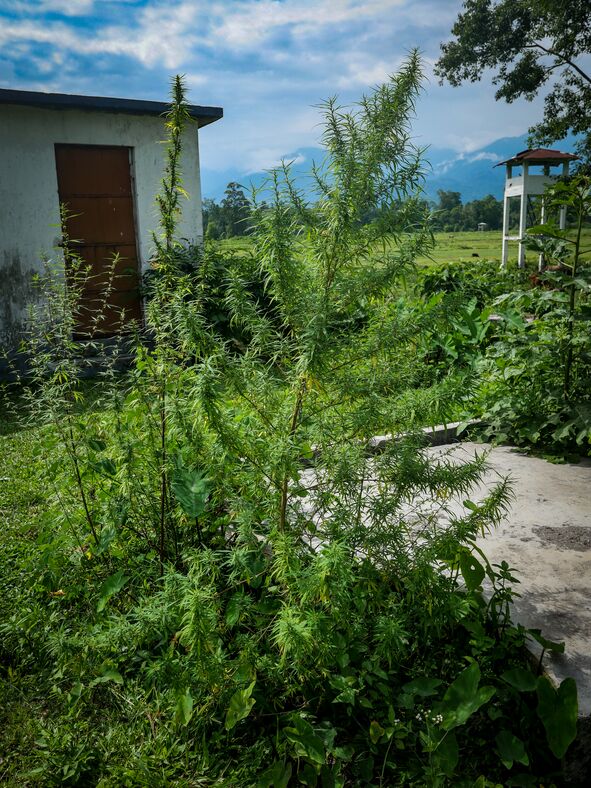
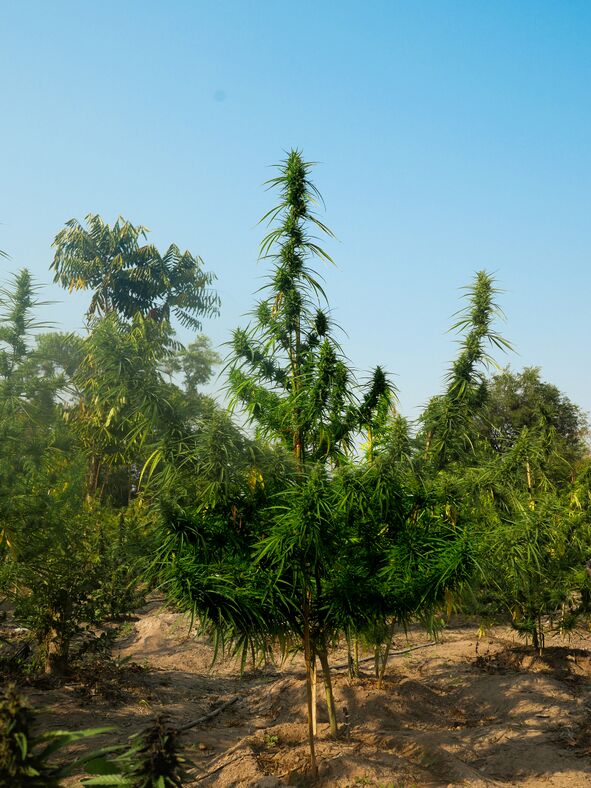
We are witnessing the rapid disappearance of traditional cultivation knowledge and genetic diversity in cannabis. These landrace populations represent thousands of years of natural and human selection, containing unique genetic traits and chemical profiles. Systematic documentation and conservation efforts can serve as a bridge, preserving irreplaceable genetic heritage while supporting traditional communities and advancing our understanding of this remarkable plant.
Recent updates