
The encyclopedia and open conservation database for landrace cannabis populations, their genetics and the traditional knowledge that sustains them.
Accession Map
Filter by collection year, classification, seed lot, sourcing type or provenance evidence, and select a marker for accession details. Every figure on this card describes the accessions currently shown. A further 457 documented accessions carry no coordinates yet and cannot be mapped.
Explore the database
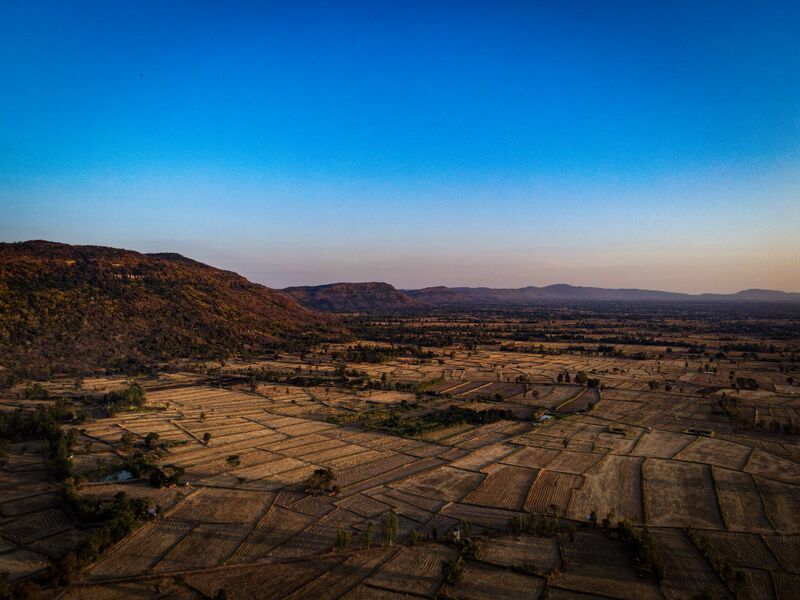
Mango Thai #2 General Population 2023
Mango Thai #2 General Population 2023 is a landrace cannabis accession from Laos, listed as Mango Thai #2 in the seed catalogue of The Real Seed Company (RSC). RSC describes it as a cannabis landrace collected from a highland village where tribal farmers are contracted by a Thai broker to cultivate ganja for the Thai market. The Real Seed Company offers the line for sale on its Kwik Seeds site (checked 17 October 2026).
Featured growing regions and areas
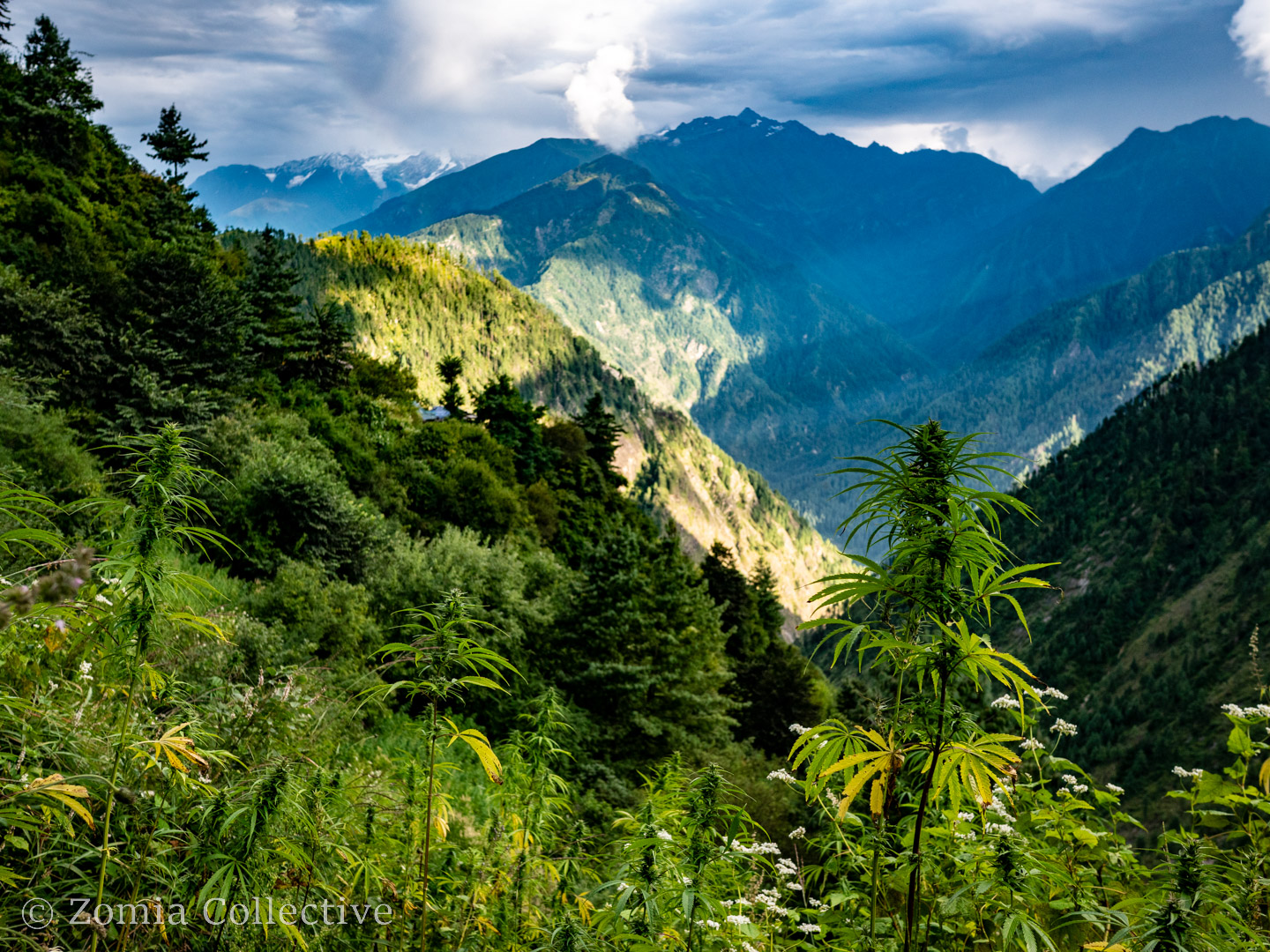

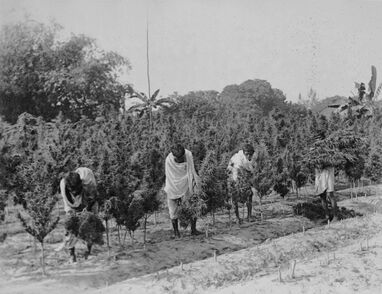
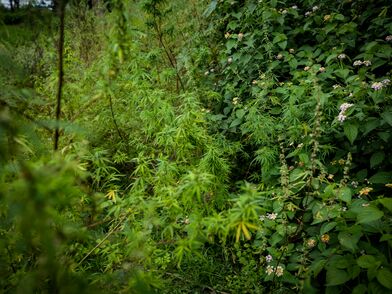

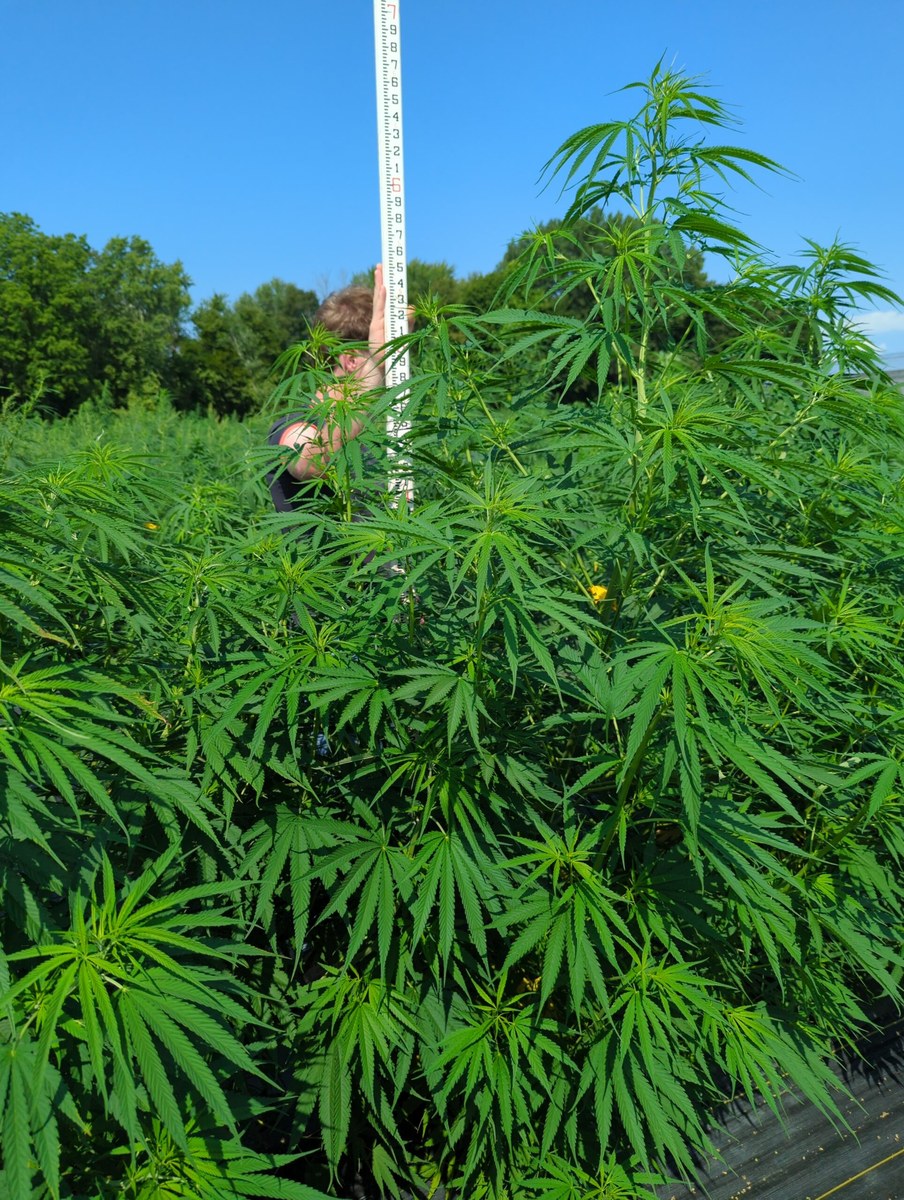
Leaf morphology
Leaf morphology in Cannabis is the form of the foliage leaf: the number, shape, size and margins of its leaflets and the arrangement of leaves on the stem. The foliage leaf of Cannabis sativa is palmately compound, its serrated leaflets spreading from the tip of a long petiole.
Leaf form changes from node to node as the plant grows, from single-leafleted seedling leaves to many-leafleted adult leaves and back to small leaves in the inflorescence. Leaflet width differs between lineages and has long been used to tell kinds of Cannabis apart by eye. Narrow and broad leaflets are part of what the trade calls "sativa" and "indica", a division that genetic data do not support. Plant-variety offices and gene banks score leaf characters on specified leaves of the plant, following standard descriptor lists. Forms that depart from the usual leaf, with webbed or few leaflets, leaflets cut into secondary lobes, or more than two leaves at a node, have been reported from cultivation, inbred lines and mutagenesis experiments. read more →
Encyclopedia
Latest publications
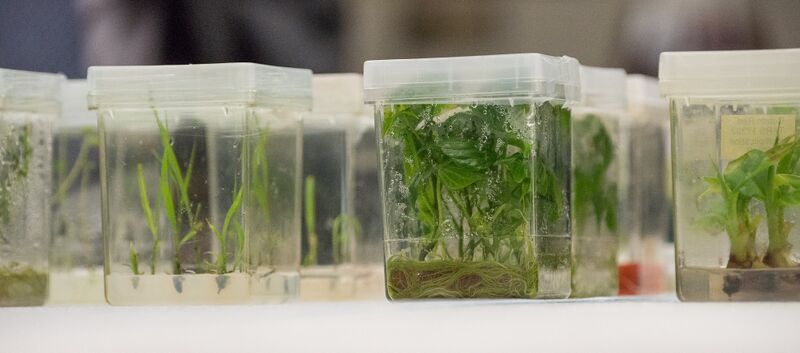 Venue: Agriculture and Natural Resources
Latest eradication reporting
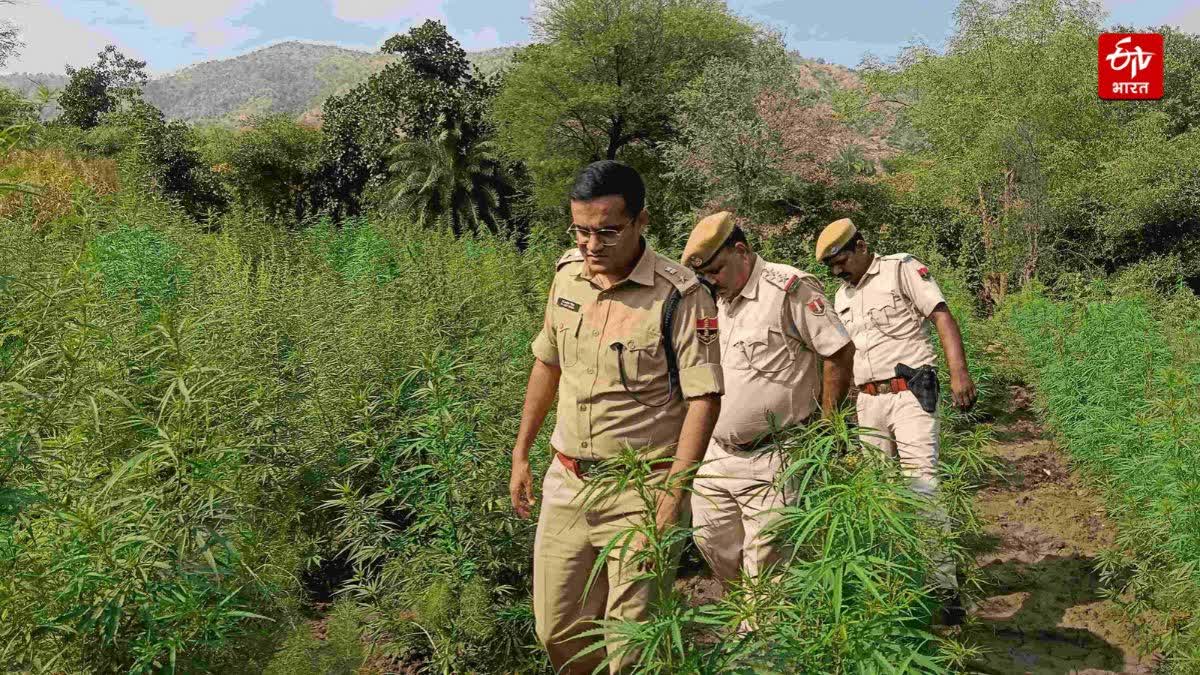

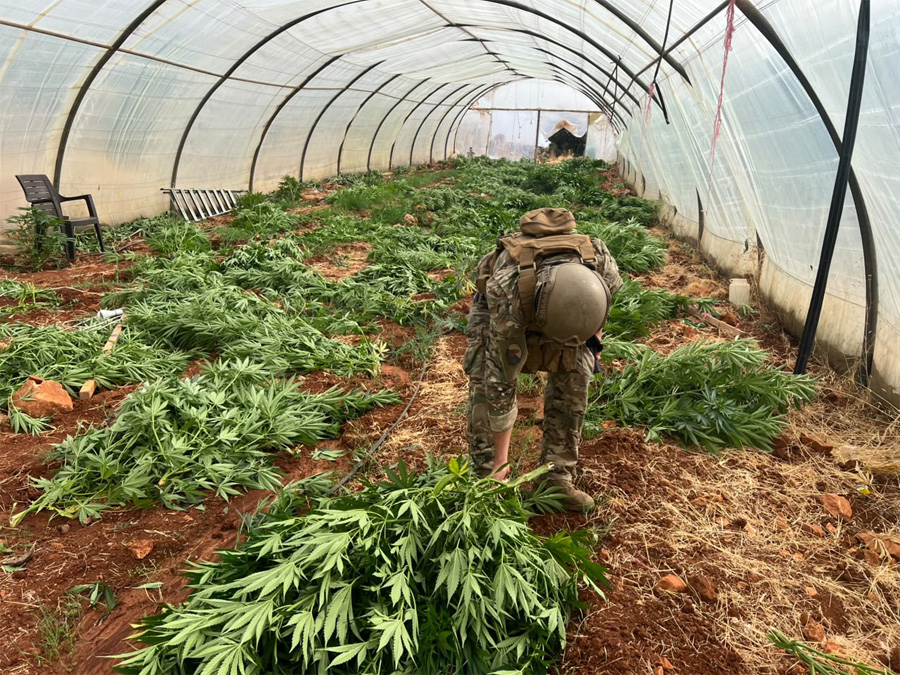
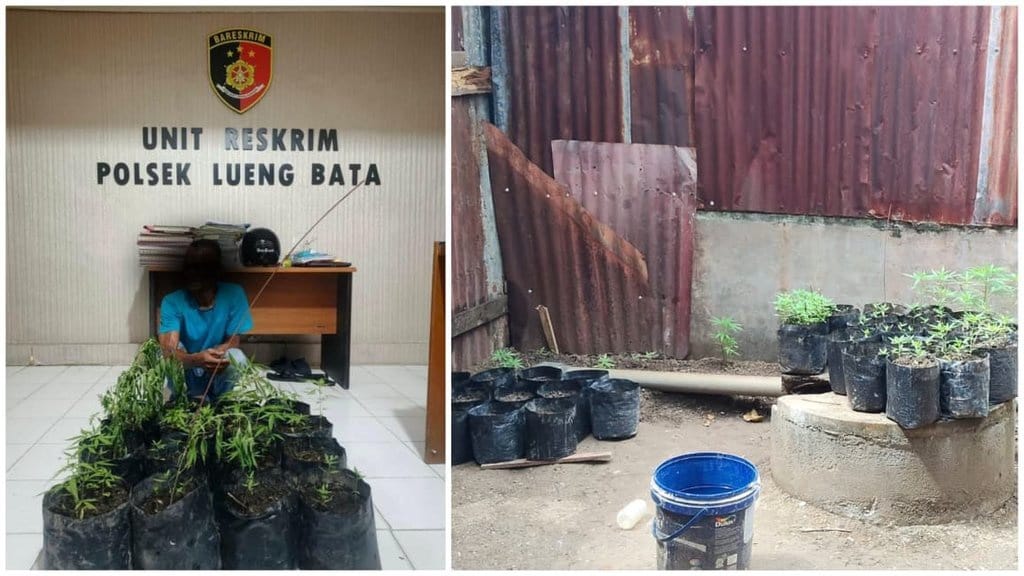

Eradications
Recently updated
Start with the record
Learn what an accession is, how to read its fields and maps, and what the status of its seed lot means.
Know a landrace? Help document it.
Field observations, photographs, corrections, sources and translations all strengthen the open record.