
Main Page
More actions
.png)
Landrace.wiki
The open database for landrace cannabis populations, their genetics and the traditional knowledge that sustains them.
Landrace.wiki is the open database for landrace cannabis—populations, their genetics, and the knowledge around them. Browse documented accessions, track conservation efforts, and contribute to preserving genetic diversity before it’s lost.
Landrace Cannabis Growing Region and Accession Map
- Stable8
- Vulnerable21
- Endangered43
- Critical89
- Extinct127
Featured Growing Regions
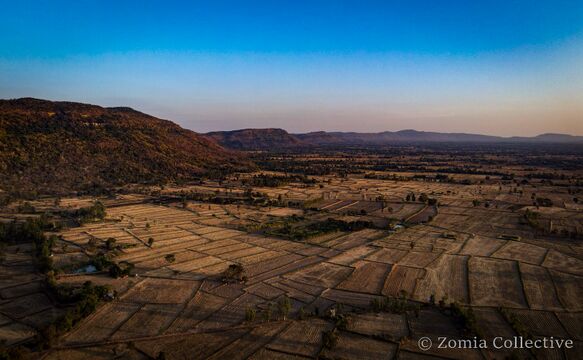
Northeastern Thailand
Southeast Asia - Khorat Plateau
The Khorat Plateau NLD landrace corridor retains core Thai-stick genetics, but diversity is eroding rapidly; conservation and documentation are urgently needed.
Endangered 55 accessions
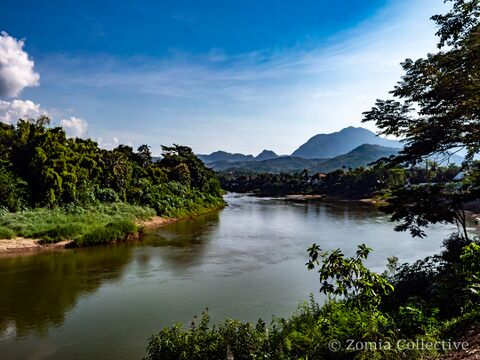
Northern Laos
Southeast Asia - Lao Highlands
Rugged northern Lao highlands with NLD-type landraces still in cultivation, but under intense pressure; documentation and conservation are urgent.
Critical 3 accessions
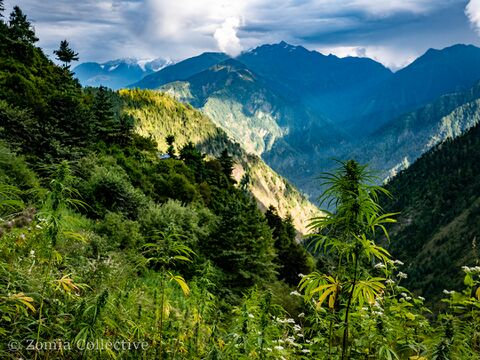
Western Himalayas
South Asia - Western Himalayas
Charas heartland where high-elevation, village-managed NLD landraces persist despite tourism and law-enforcement pressure—resilient yet not invulnerable.
Vulnerable 156 accessions
Featured Accessions
No image
No image
We are witnessing the rapid disappearance of traditional cultivation knowledge and genetic diversity in cannabis. These landrace populations represent thousands of years of natural and human selection, containing unique genetic traits and chemical profiles. Systematic documentation and conservation efforts can serve as a bridge—preserving irreplaceable genetic heritage while supporting traditional communities and advancing our understanding of this remarkable plant.
Explore the Database
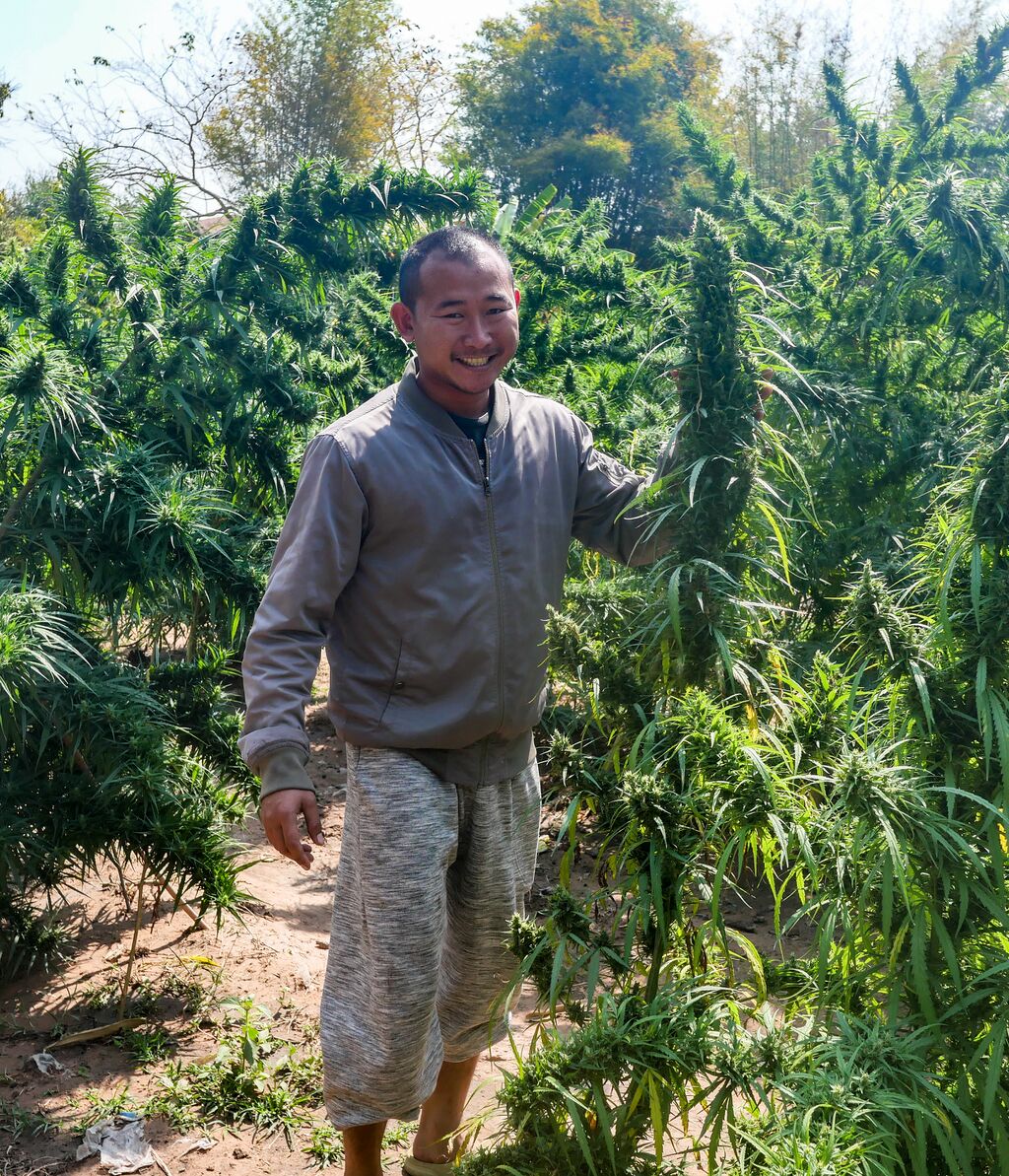
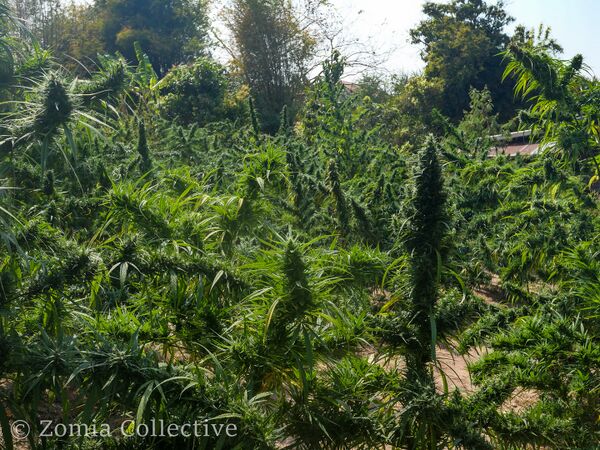
ZOM-THA-PHU-0120250004
Khun Aek Farm General Population 2024 is a domesticate landrace cannabis accession collected by Isabella of the Zomia Collective in Sakhon Nakhon Province, Thailand.
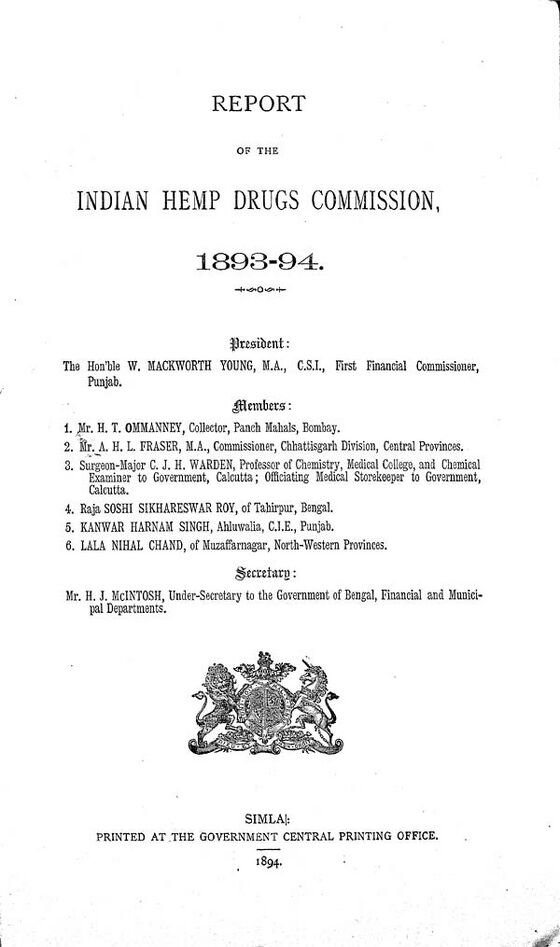
Indian Hemp Drugs Commission
The Indian Hemp Drugs Commission (IHDC) was a body appointed by the Government of India in 1893 to inquire into the cultivation of cannabis, the manufacture of and trade in its products, the social and moral effects of their consumption, and the desirability of prohibition. Its findings were published in 1894 as a Report of seven volumes and a supplementary volume, running to some 3,281 pages. The commission examined 1,193 witnesses across eight provinces and Burma and concluded that the moderate use of cannabis was practically harmless and that prohibition was neither necessary nor expedient. It remains the most extensive single inquiry into cannabis undertaken in the nineteenth century, and its volumes are a principal documentary record of the plant's varieties, regional cultivation and ritual use in British India before prohibition.
The commission and its sources used the term hemp drugs for the cannabis preparations then in use, chiefly bhang, ganja and charas. This article uses cannabis as the general term, retaining hemp only in the commission's name, in the titles of its volumes and chapters, and in quoted matter.
As a colonial administrative document, the Report is evidence of late-Victorian governmental thinking about intoxicants as much as it is a record of cannabis itself, and modern historians read it in that double light. read more →
Encyclopedia
Latest reporting
Latest publications
Cannabis eradications
Recent updates