
Main Page
More actions
.png)
Landrace.wiki
The open database for landrace cannabis populations, their genetics and the traditional knowledge that sustains them.
Explore the Database
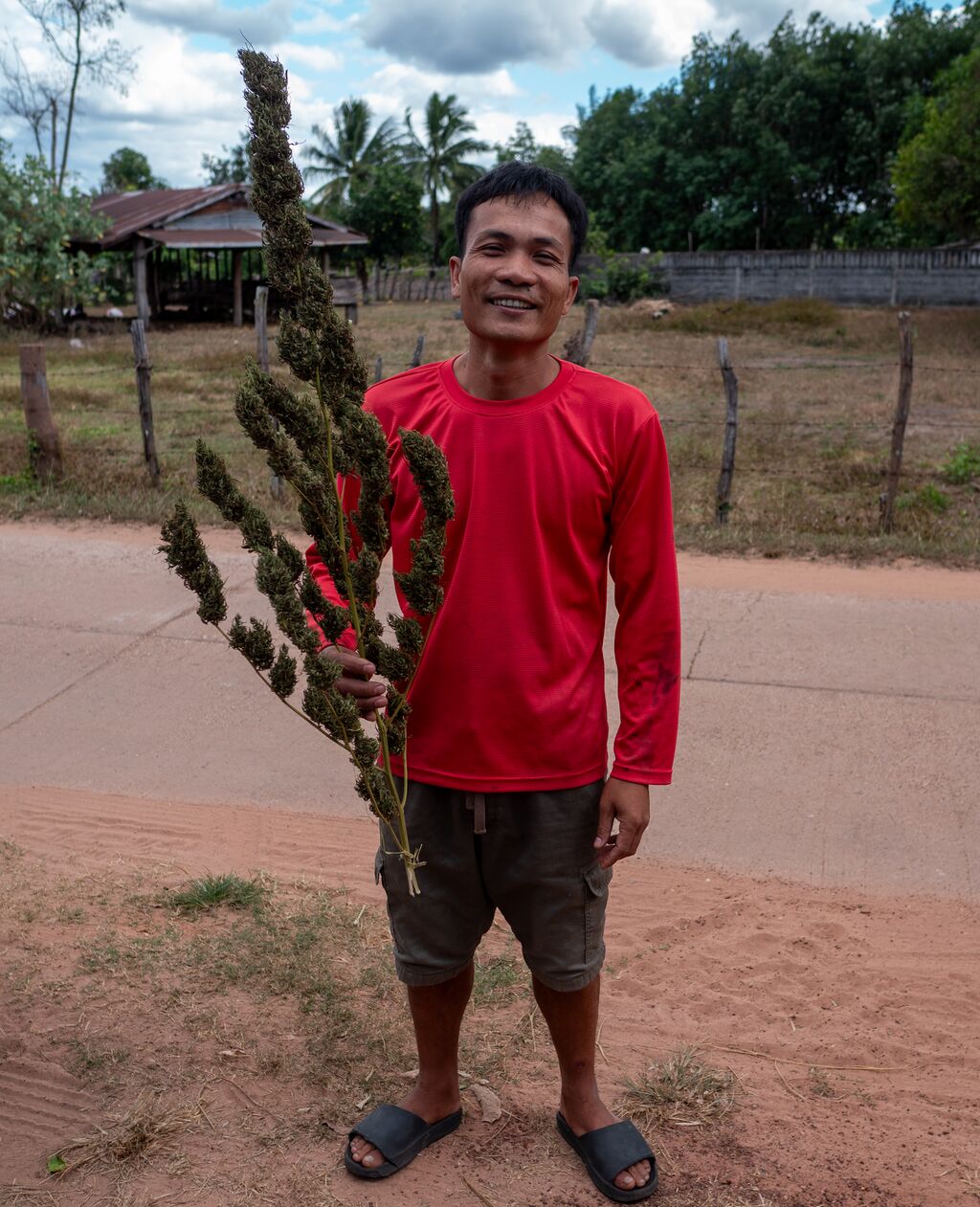
ZOM-THA-PHU-0420240002
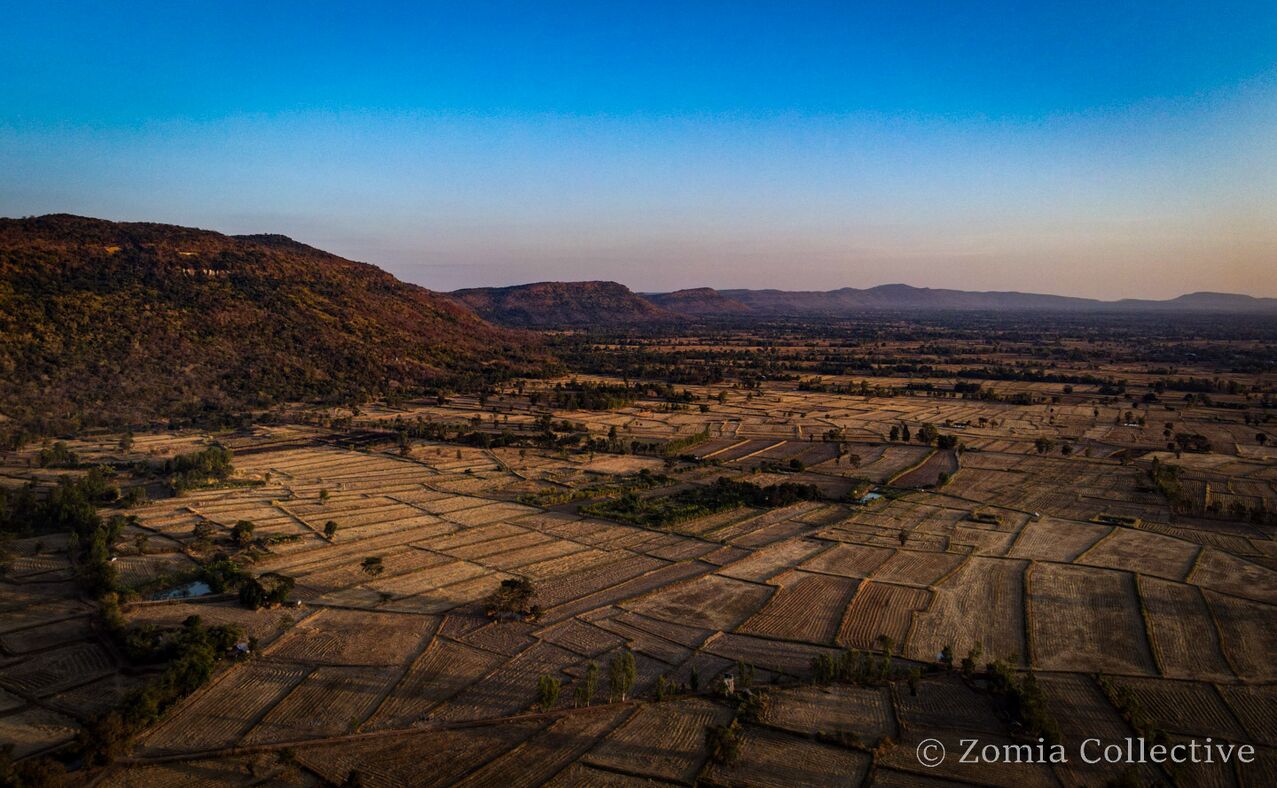
Krabangkham 'Squirrel Tail' Selection 2023 is a domesticate landrace cannabis accession. This accession was documented by Éloïse in April 2024. A total of 10,000+ seeds were purchased by Éloïse from Suriyan, the owner of Krabangkham Farm. The seeds come from a landrace cannabis population of 500+ plants grown near Ban Nan Toeng. Ban Nan Toeng is located in Phu Phan District, Sakhon Nakhon, Thailand, within the Phu Phan Mountains landrace cannabis growing area of the Northeastern Thailand growing region.
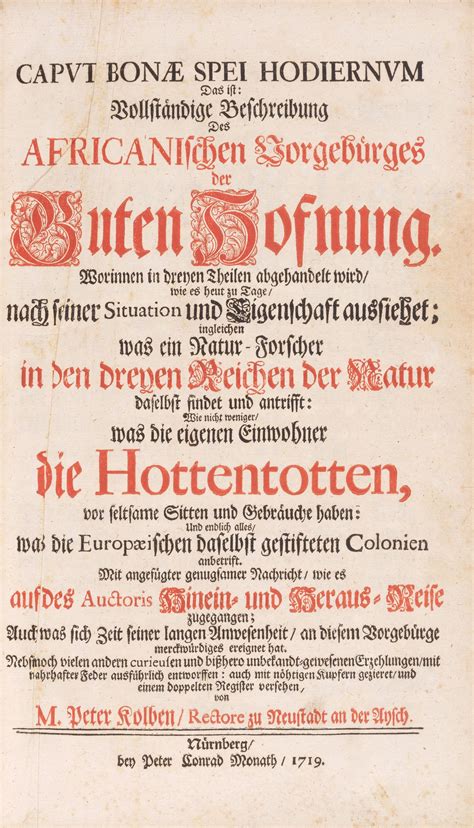
Caput bonae Spei hodiernum (1719)
The Caput bonae Spei hodiernum ("The Present State of the Cape of Good Hope") is a description of the Cape Colony and the Khoikhoi people by Peter Kolb (1675–1726), a German astronomer and naturalist who spent nearly a decade at the Cape of Good Hope from 1705 to 1713. First published as a folio in Nürnberg in 1719, the work was translated into Dutch, English and French, and reissued in an abridged German edition in 1745. It was for several decades the principal European source on the Cape and its indigenous inhabitants.
Chapter XVI of the first part, on food and drink (Nahrungs-Mittel), contains the earliest detailed European account of cannabis use among the Khoikhoi, including a description of the plant they call Dacha, its effects, its preparation mixed with tobacco and its role as a travel provision. Chapter XVII, on childbirth, records the use of Dacha in obstetric medicine and contains the statement that the Khoikhoi used Dacha before tobacco was known to them, placing cannabis use at the Cape before Dutch settlement in 1652. read more →
Encyclopedia
Latest reporting
Latest publications
Cannabis eradications
Featured Growing Regions
Featured Accessions
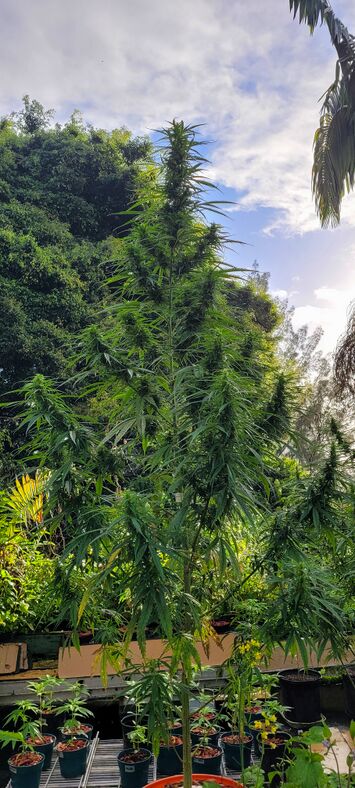
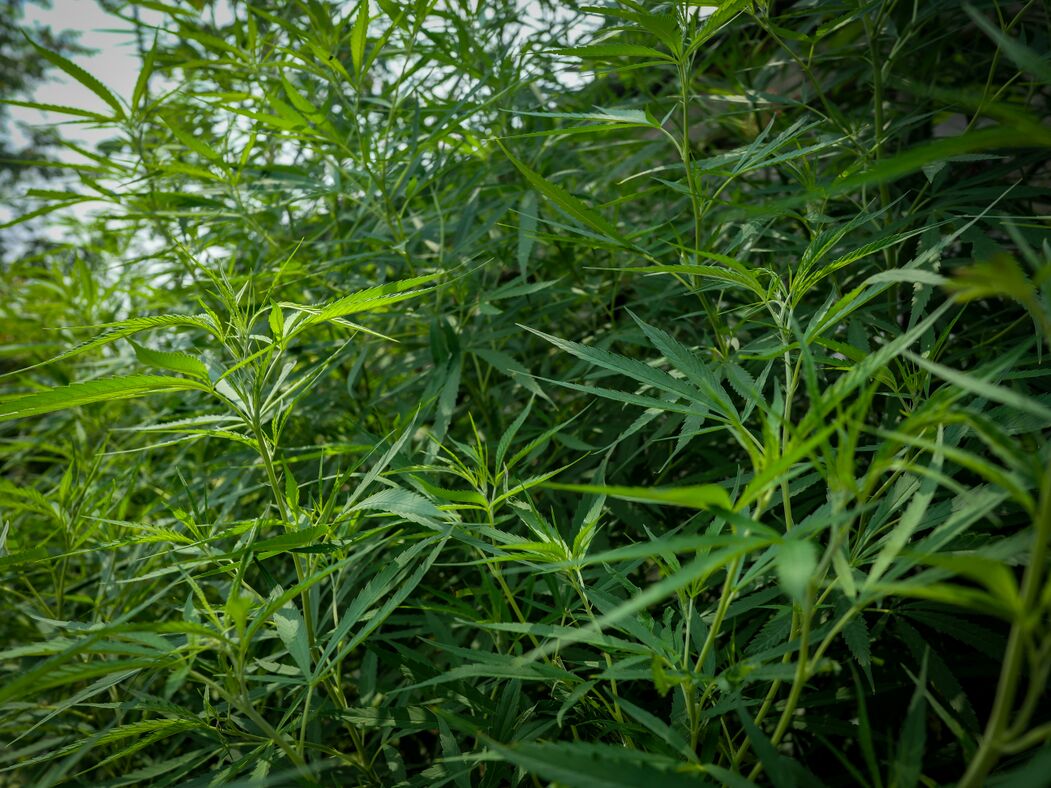
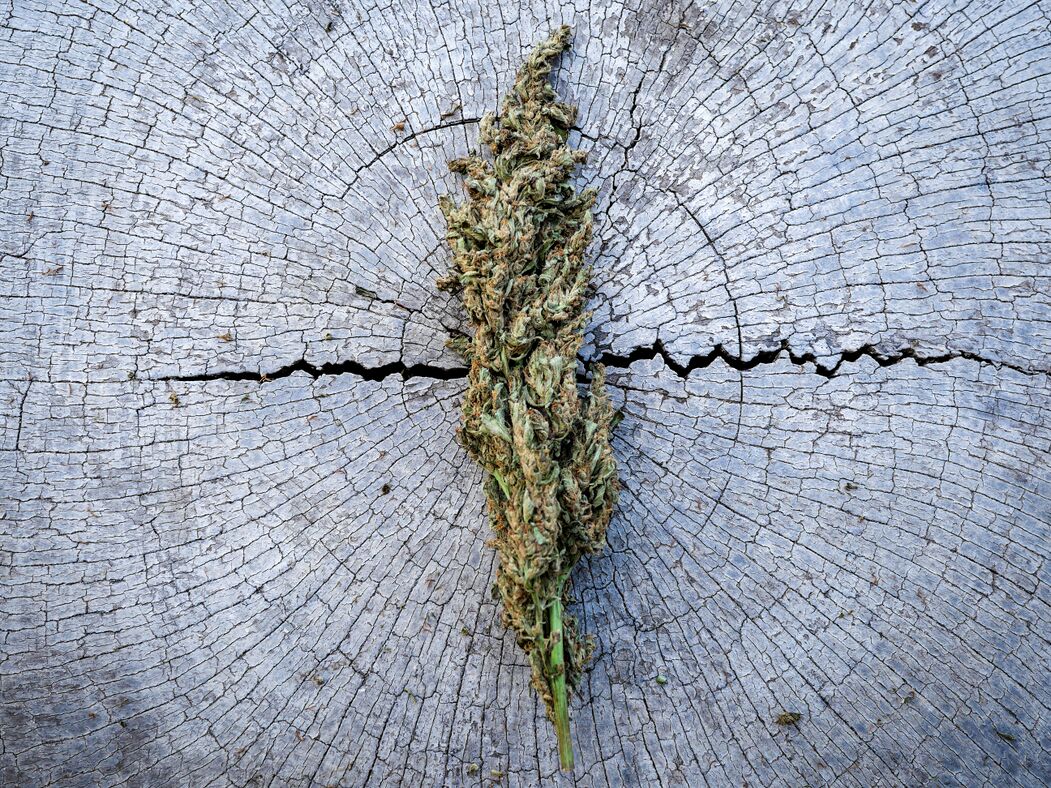
We are witnessing the rapid disappearance of traditional cultivation knowledge and genetic diversity in cannabis. These landrace populations represent thousands of years of natural and human selection, containing unique genetic traits and chemical profiles. Systematic documentation and conservation efforts can serve as a bridge, preserving irreplaceable genetic heritage while supporting traditional communities and advancing our understanding of this remarkable plant.
Recent updates