
Main Page
More actions
.png)
Landrace.wiki
The open database for landrace cannabis populations, their genetics and the traditional knowledge that sustains them.
Landrace.wiki is the open database for landrace cannabis populations, their genetics and the knowledge around them. Browse documented accessions, track conservation efforts and contribute to preserving genetic diversity before it’s lost.
Explore the Database
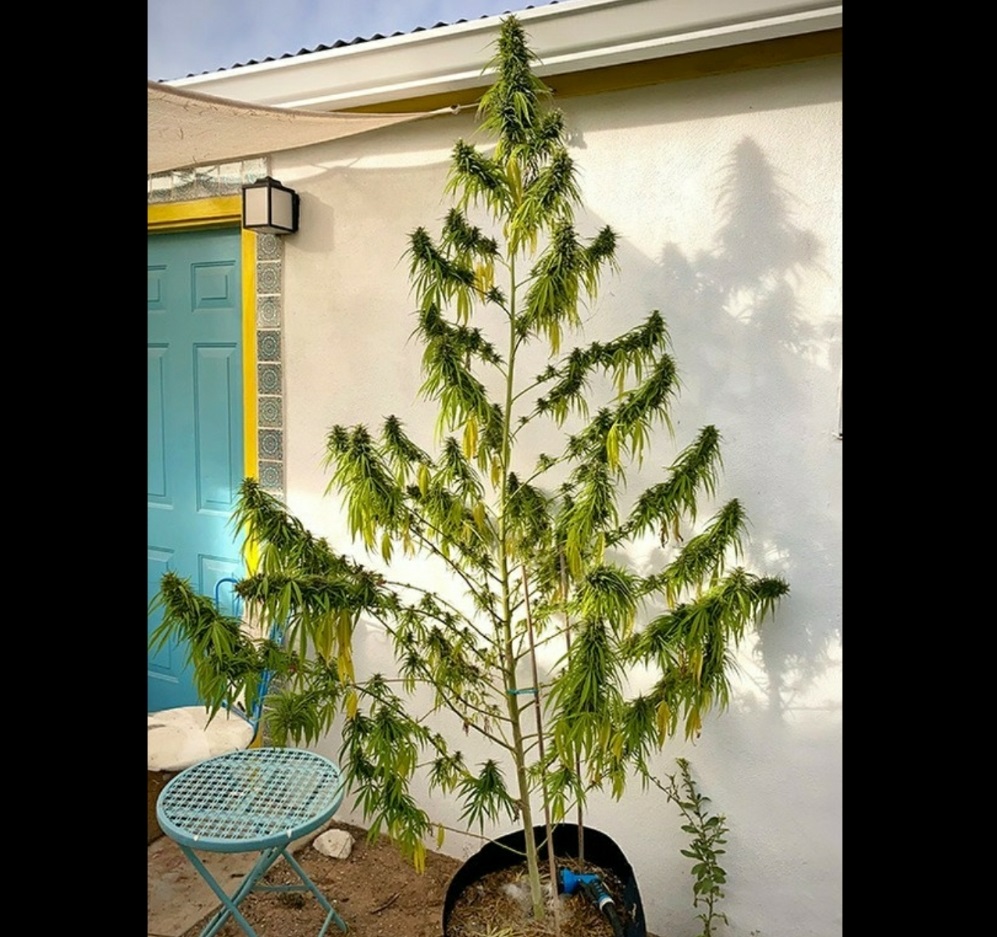
RSC-LAO-BOK-0120220001
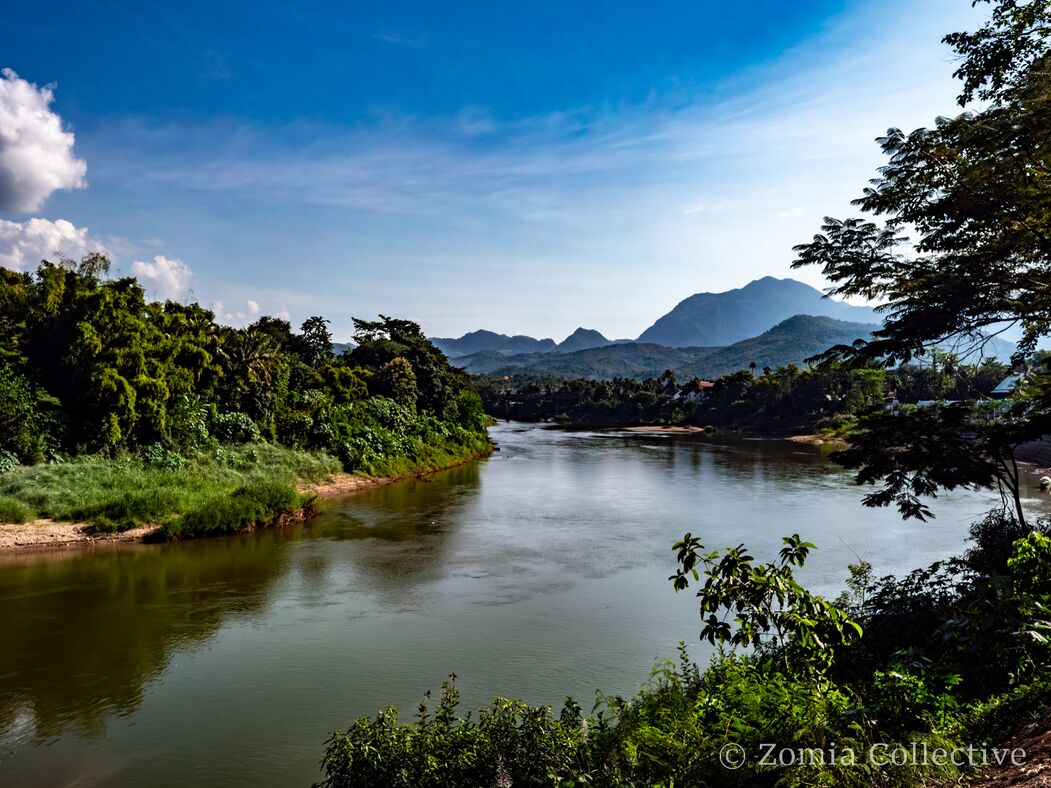
Bokeo #2 General Population 2022 is a landrace cannabis accession collected at point of origin by the Real Seed Company in Bokeo, northwestern Laos in 2022.
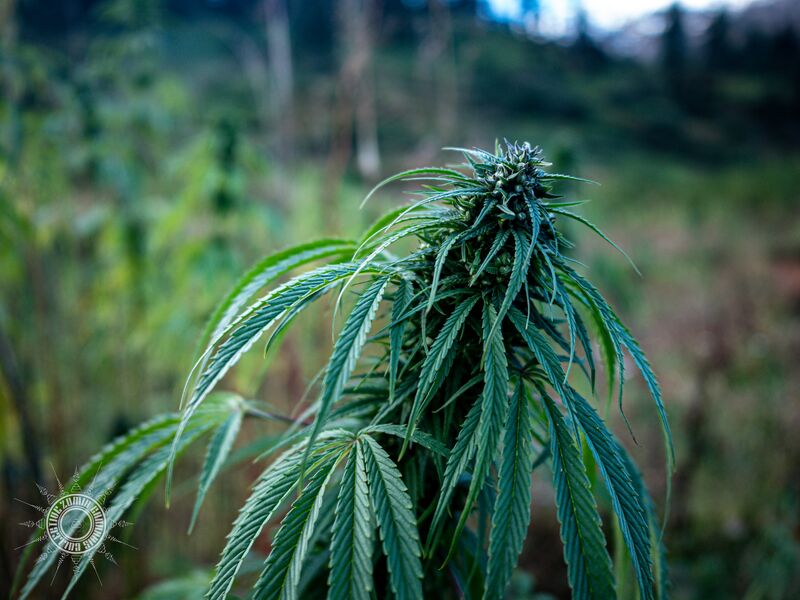
Cannabis botany
Cannabis botany is the study of the biology, morphology, physiology, ecology and classification of plants in the genus Cannabis. As one of the oldest cultivated plants, cannabis has been shaped by natural selection and millennia of human management across diverse environments, producing a wide range of forms adapted to local conditions.
Cannabis is a wind-pollinated, predominantly dioecious annual herb of temperate Eurasian origin. Glandular trichomes on its female inflorescences produce cannabinoids and terpenes; the plant displays high phenotypic plasticity and has co-evolved with human cultivation over millennia.
Whether the genus contains one highly variable species or several remains contested; major botanical databases generally treat it as a single species (Cannabis sativa L.) with internal subspecies and biotypes, while several cannabis-specific treatments recognise additional species. Cannabis is generally taken to be native to Central Asia. Biogeographic and pollen evidence has been used to argue for the northeastern Tibetan Plateau as the probable area of earlier genus-level divergence, while whole-genome resequencing has placed the early domestication of cannabis in East Asia in the early Neolithic. read more →
Encyclopedia
Latest reporting
Latest publications
Cannabis eradications
Featured Growing Regions
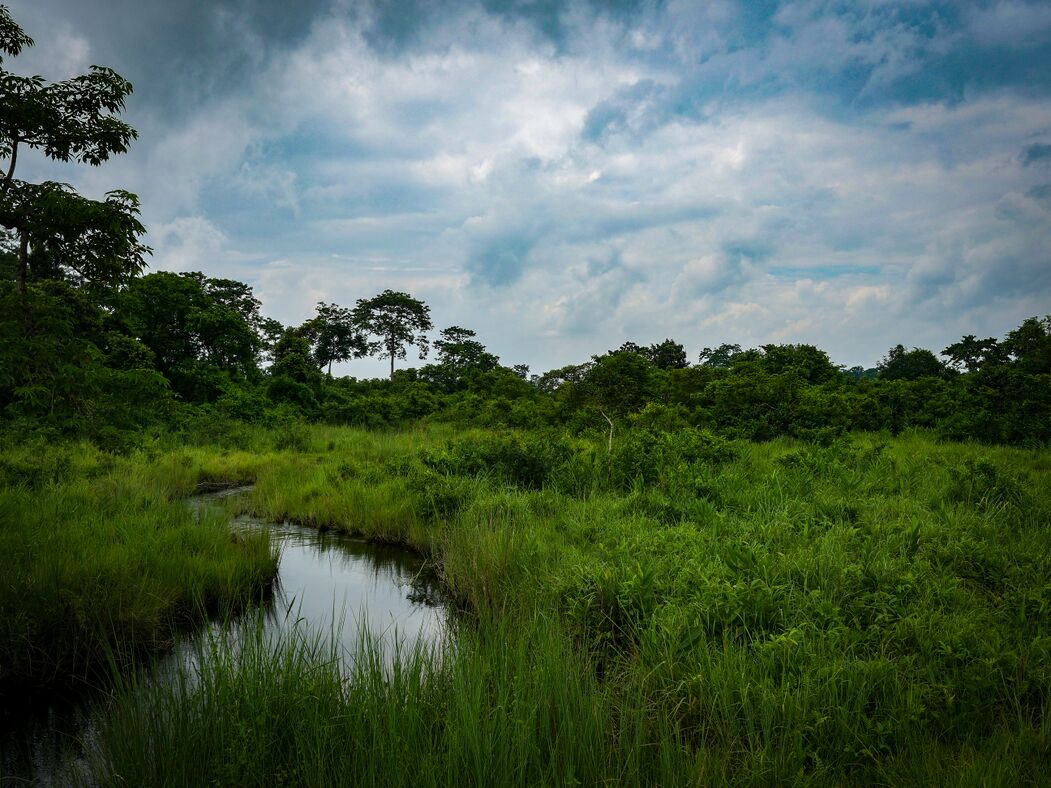
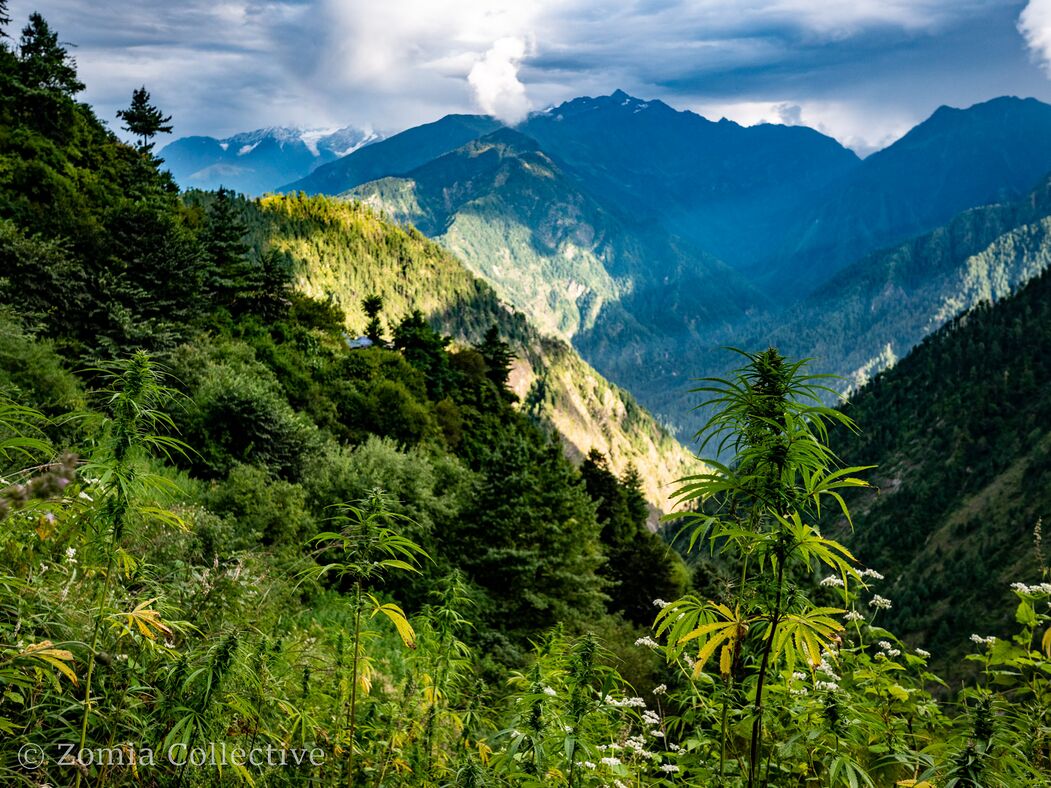
Featured Accessions
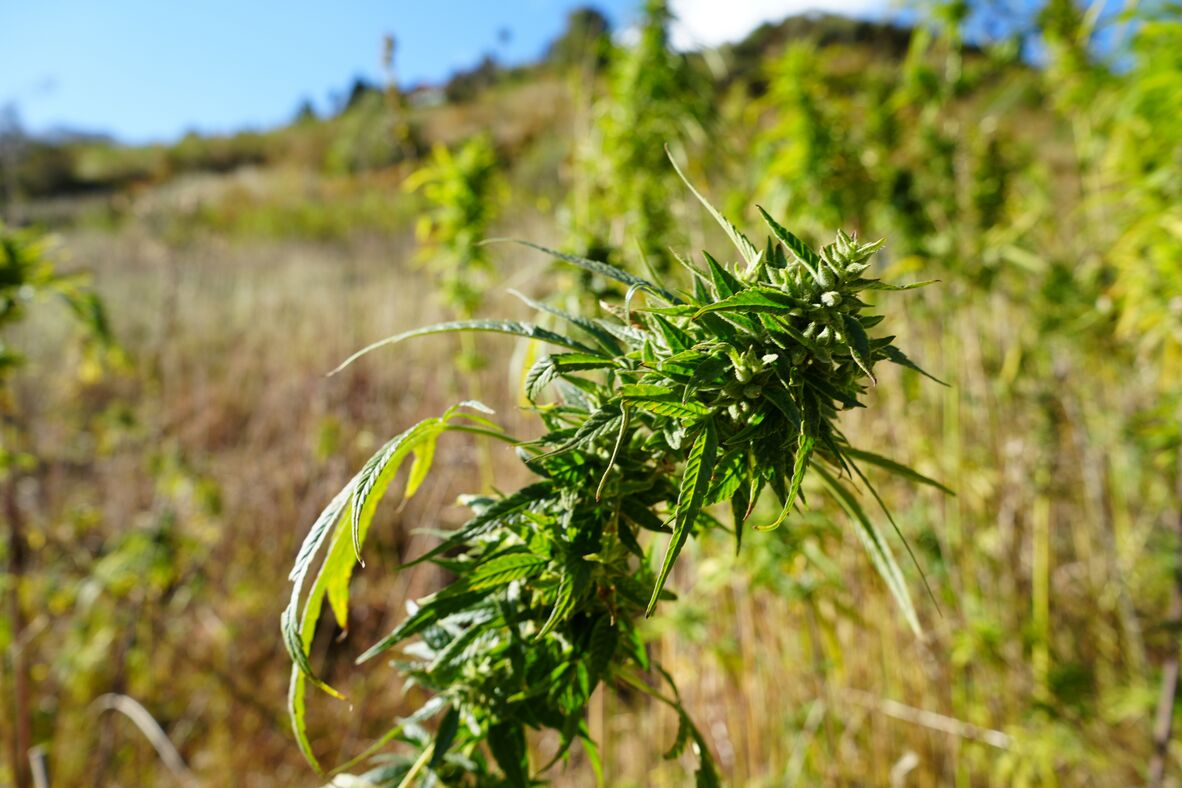
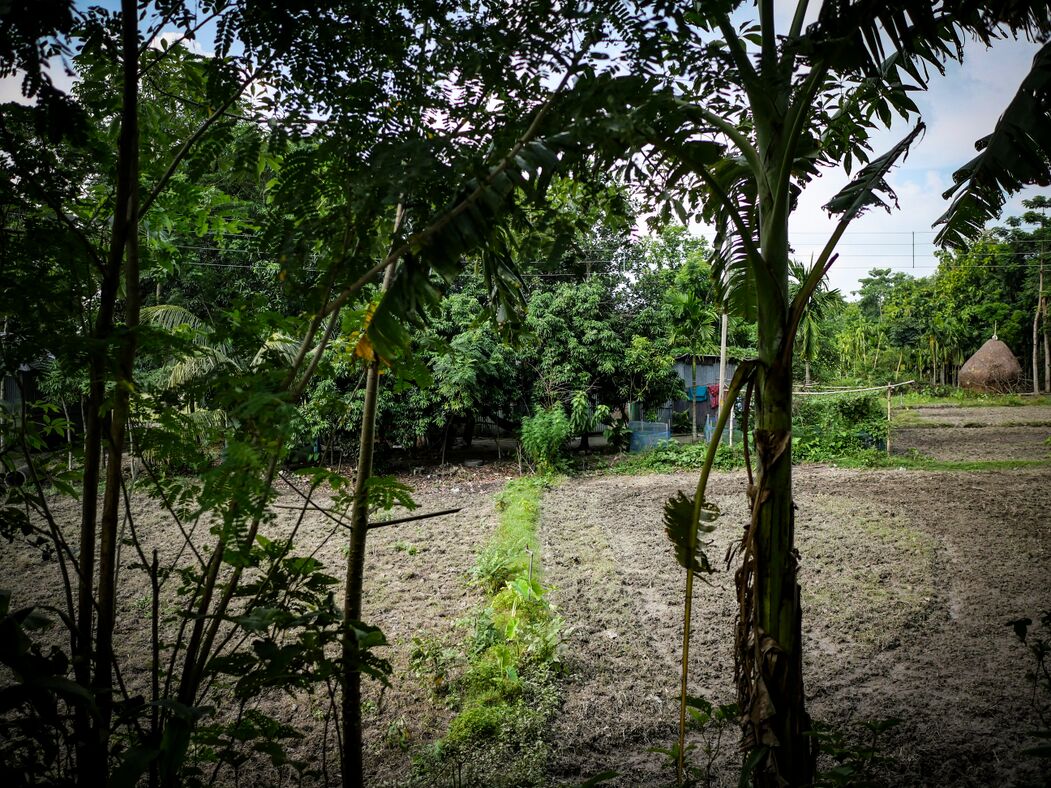
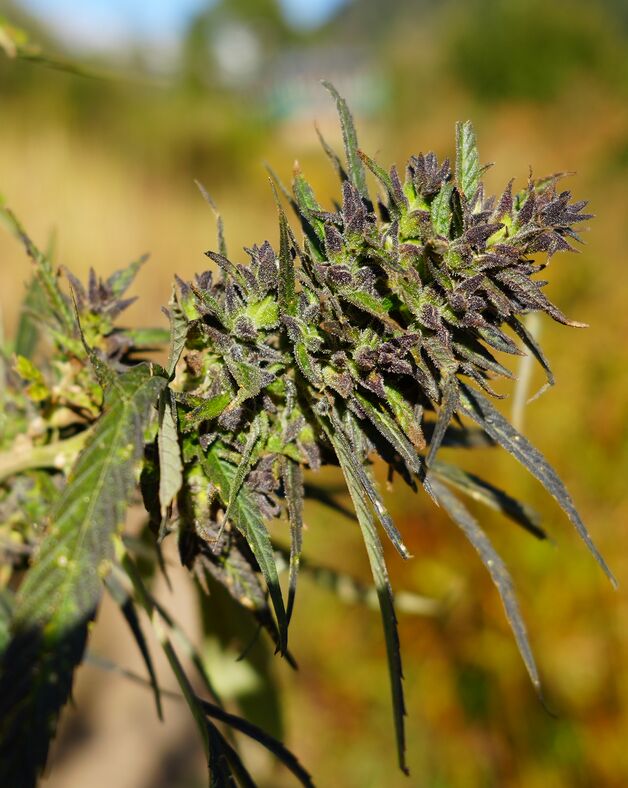
We are witnessing the rapid disappearance of traditional cultivation knowledge and genetic diversity in cannabis. These landrace populations represent thousands of years of natural and human selection, containing unique genetic traits and chemical profiles. Systematic documentation and conservation efforts can serve as a bridge, preserving irreplaceable genetic heritage while supporting traditional communities and advancing our understanding of this remarkable plant.
Recent updates