
Main Page
More actions
.png)
Landrace.wiki
The open database for landrace cannabis populations, their genetics and the traditional knowledge that sustains them.
Explore the Database
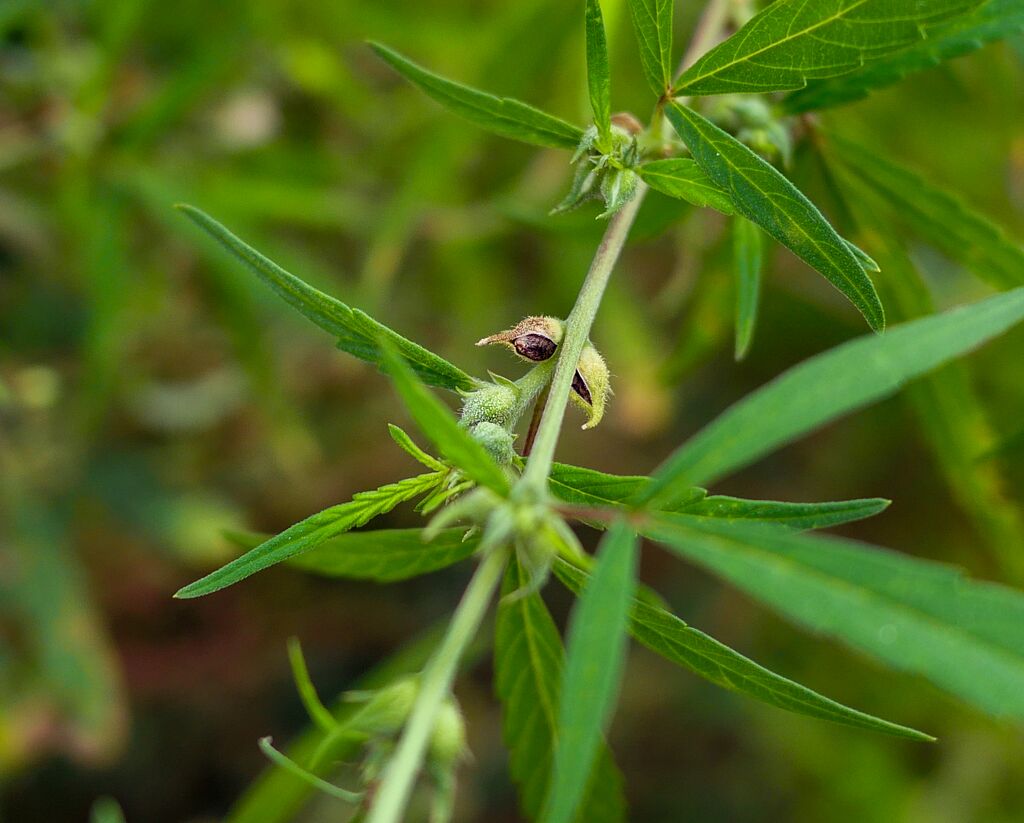
ZOM-IND-WEB-0620250075
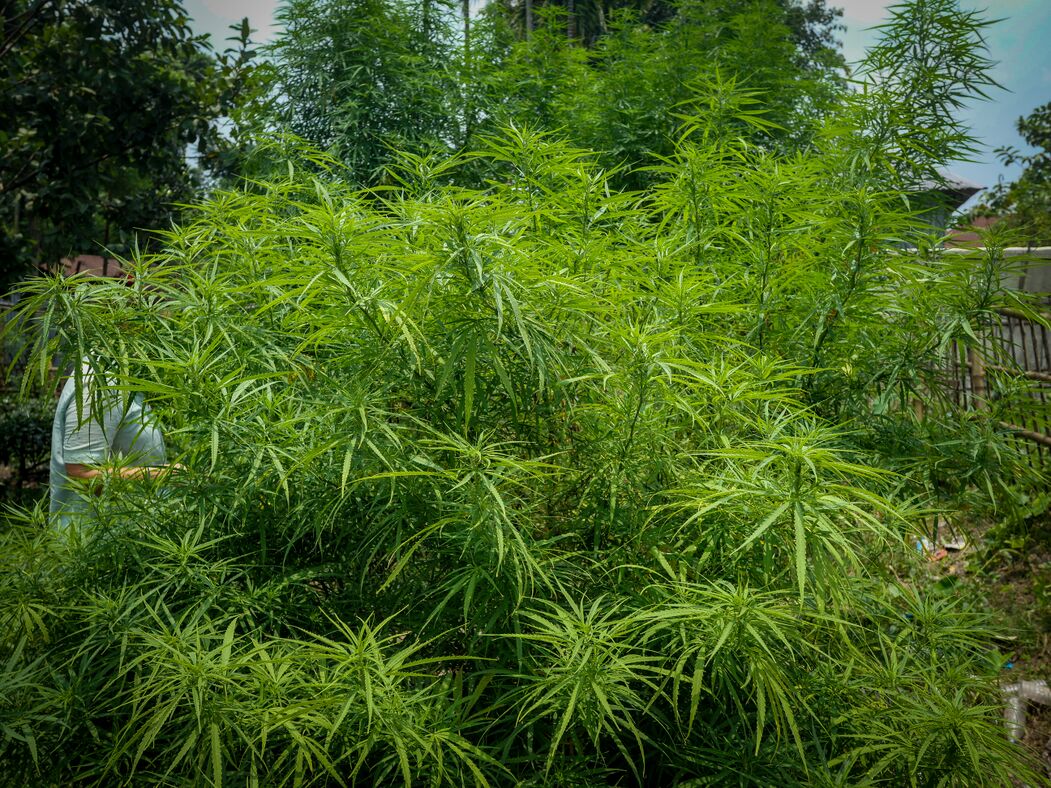
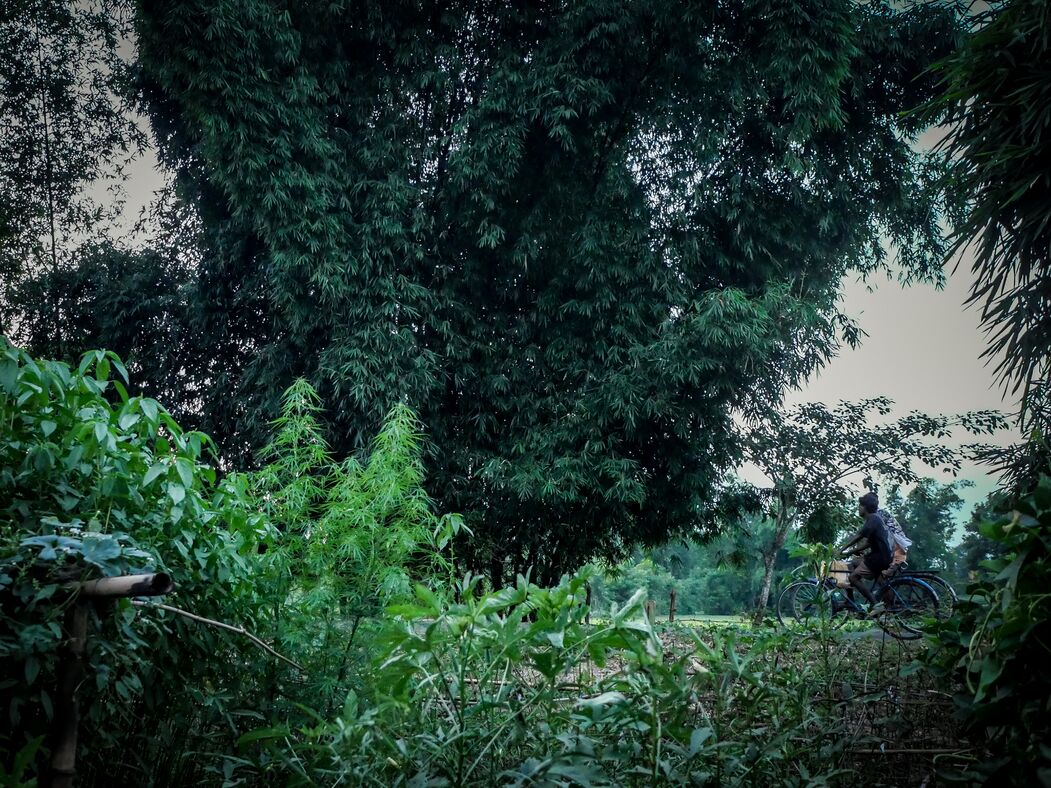
Suripara Feral Selection 2025 is a feral landrace cannabis accession collected by Éloïse and Isabella of the Zomia Collective in West Bengal, India.
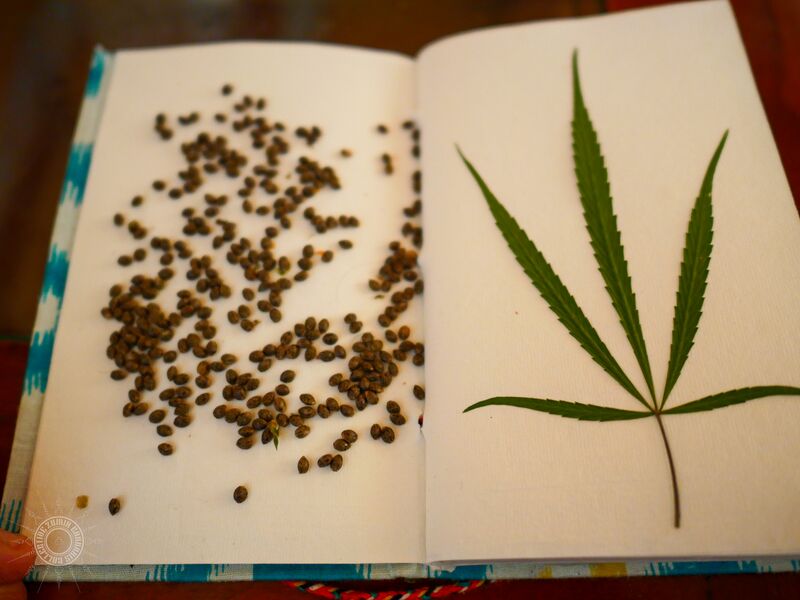
Cannabis indica
Cannabis indica Lam. is a historical botanical name originally published by Lamarck in 1785 for Indian drug-type cannabis specimens collected by Pierre Sonnerat. Its taxonomic status remains disputed. Major plant-name databases such as Plants of the World Online and World Flora Online currently treat C. indica Lam. as a synonym of Cannabis sativa L., while cannabis-specific taxonomic literature commonly retains indica-type plants at subspecies or variety rank within a monotypic C. sativa.
In the cannabis-specific literature, three positions persist. Monotypic treatments recognise only Cannabis sativa L. and place indica-type plants at infraspecific rank or treat them as synonyms. Polytypic treatments after Schultes et al. (1974) recognise C. indica as a distinct species, sometimes alongside Cannabis ruderalis. Intermediate treatments reduce indica-type plants to subspecific rank within C. sativa. A widely cited formal treatment in this last group, Small and Cronquist (1976), places drug-type plants as C. sativa subsp. indica (Lam.) E. Small & Cronquist.
In the influential revision of McPartland and Small (2020), Asian high-THC domesticates are placed in C. sativa subsp. indica, with South Asian narrow-leaflet plants treated as var. indica (Lamarck's original concept) and Central Asian broad-leaflet plants as var. afghanica (originally described by Vavilov in the early twentieth century), together with two wild varieties. This four-variety treatment provides a current framework for describing the range of plants typically labelled Cannabis indica. read more →
Encyclopedia
Latest reporting
Latest publications
Cannabis eradications
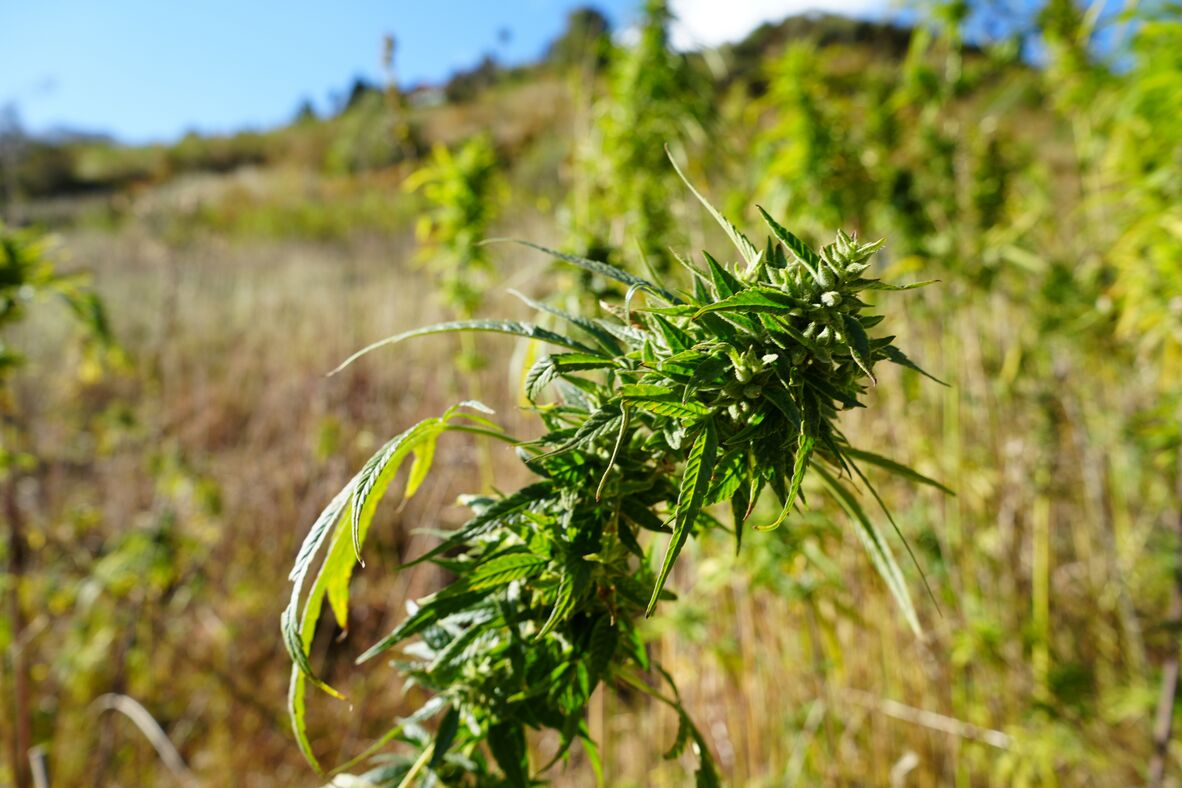
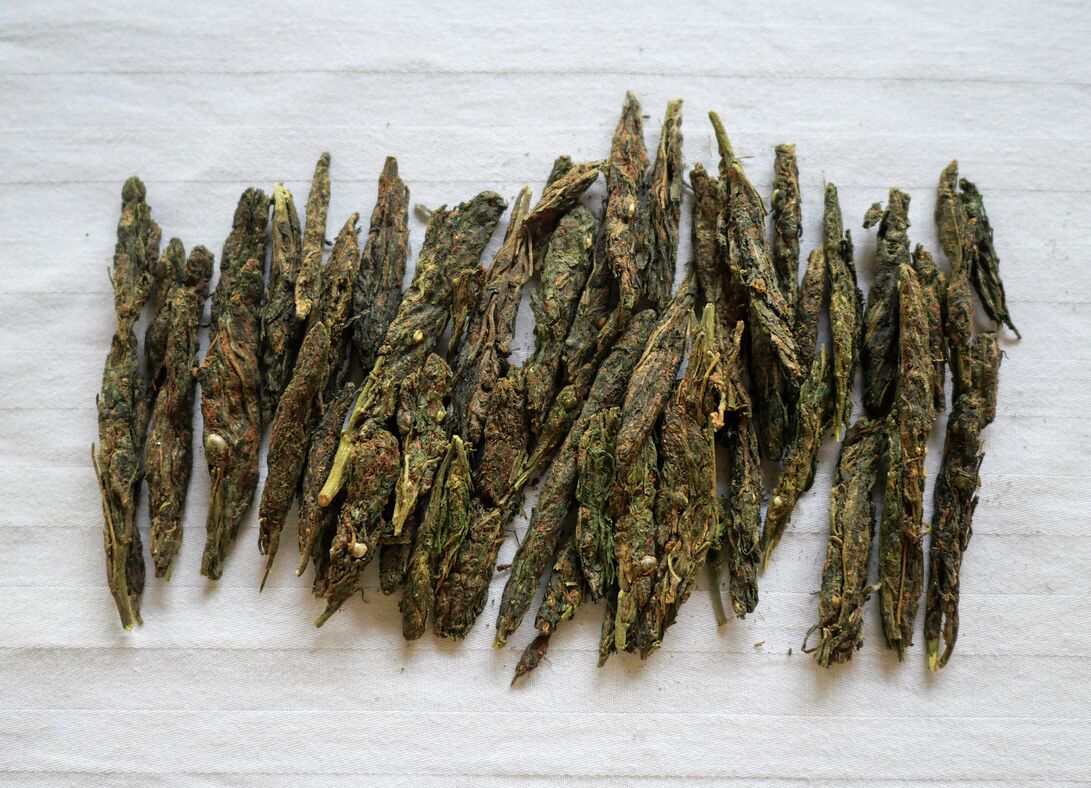
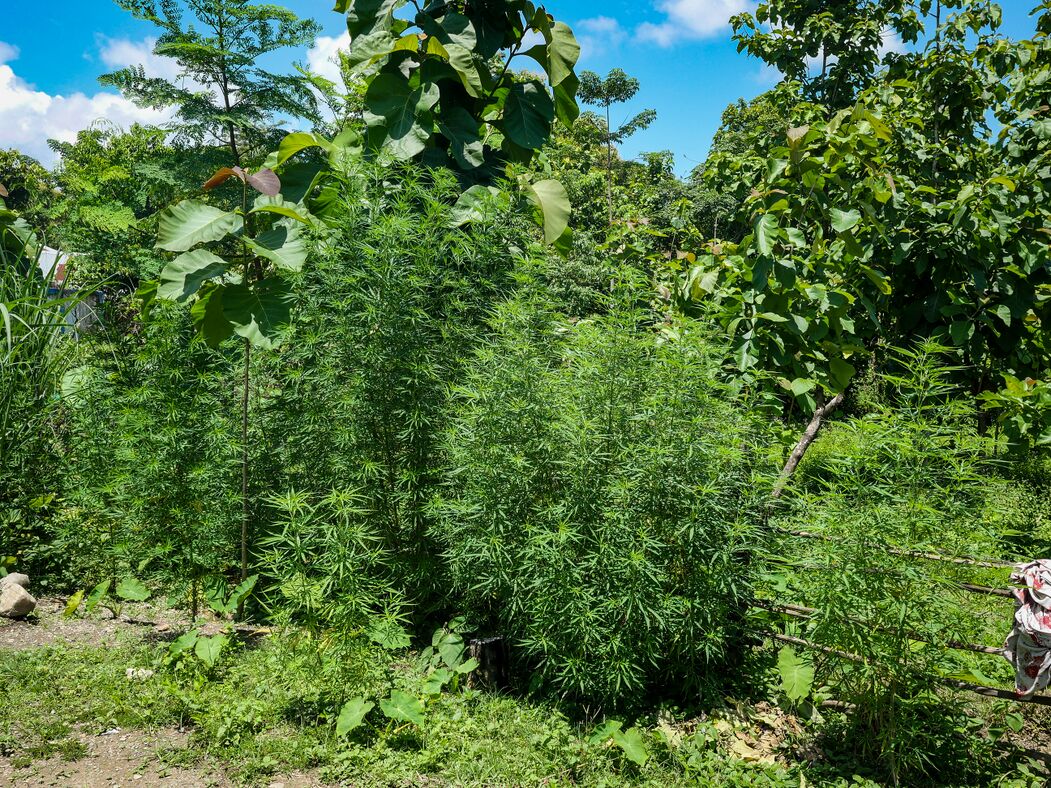
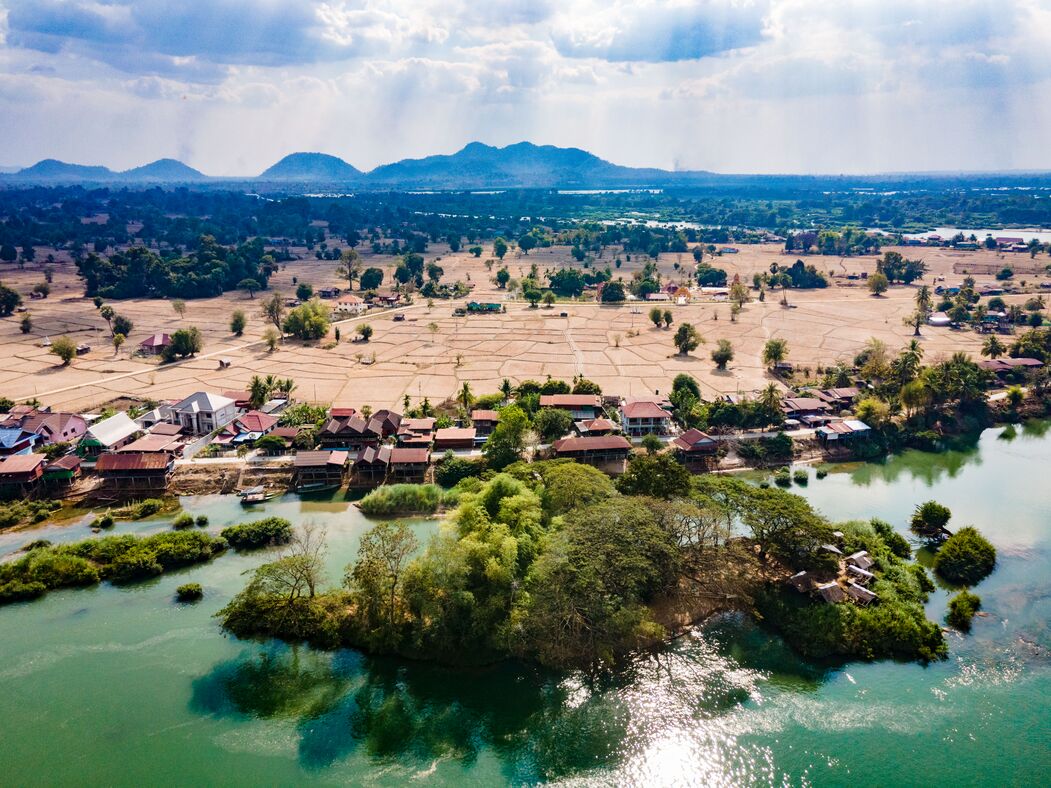
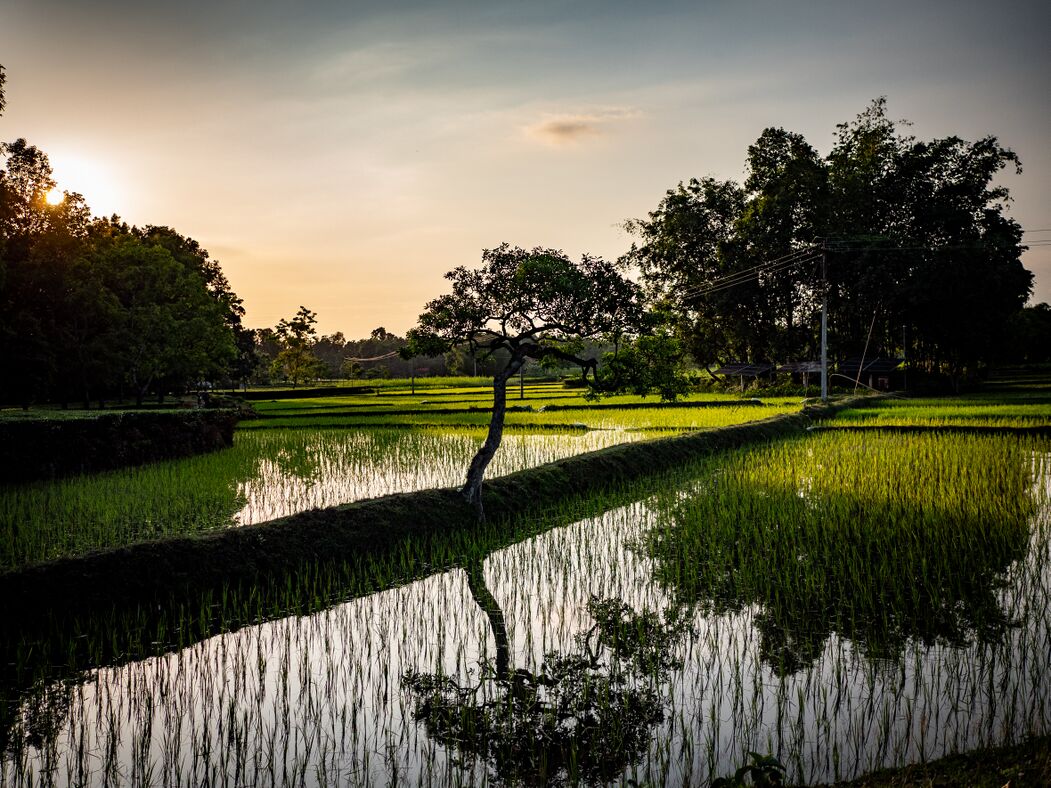

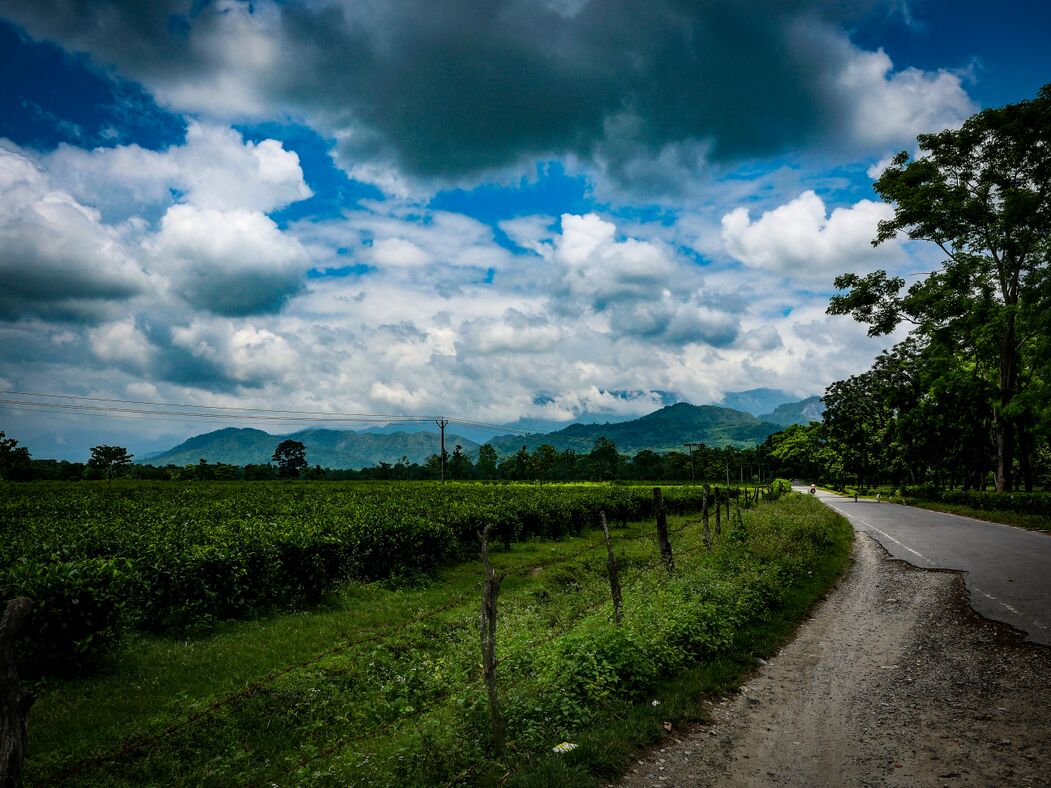
We are witnessing the rapid disappearance of traditional cultivation knowledge and genetic diversity in cannabis. These landrace populations represent thousands of years of natural and human selection, containing unique genetic traits and chemical profiles. Systematic documentation and conservation efforts can serve as a bridge, preserving irreplaceable genetic heritage while supporting traditional communities and advancing our understanding of this remarkable plant.
Recent updates