
Main Page
More actions
.png)
Landrace.wiki
The open database for landrace cannabis populations, their genetics and the traditional knowledge that sustains them.
Landrace.wiki is the open database for landrace cannabis—populations, their genetics, and the knowledge around them. Browse documented accessions, track conservation efforts, and contribute to preserving genetic diversity before it’s lost.
Landrace Cannabis Growing Region and Accession Map
- Stable8
- Vulnerable21
- Endangered43
- Critical89
- Extinct127
Featured Growing Regions
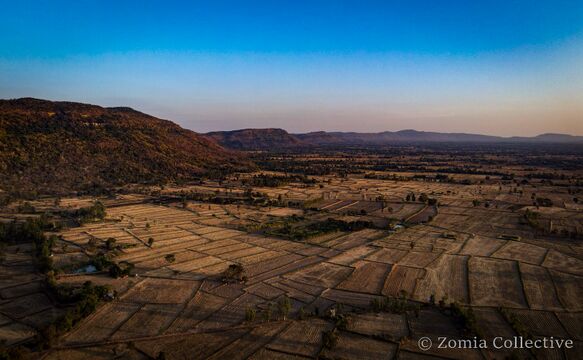
Northeastern Thailand
Southeast Asia - Khorat Plateau
The Khorat Plateau NLD landrace corridor retains core Thai-stick genetics, but diversity is eroding rapidly; conservation and documentation are urgently needed.
Endangered 55 accessions
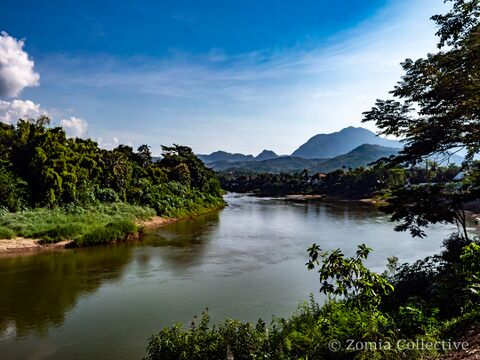
Northern Laos
Southeast Asia - Lao Highlands
Rugged northern Lao highlands with NLD-type landraces still in cultivation, but under intense pressure; documentation and conservation are urgent.
Critical 3 accessions
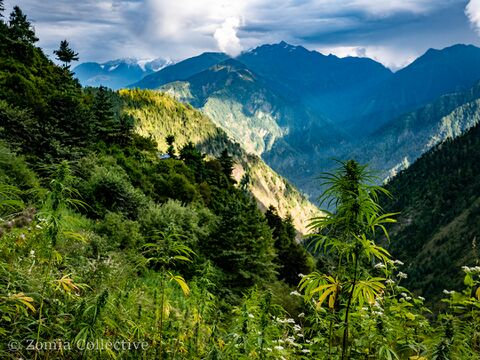
Western Himalayas
South Asia - Western Himalayas
Charas heartland where high-elevation, village-managed NLD landraces persist despite tourism and law-enforcement pressure—resilient yet not invulnerable.
Vulnerable 156 accessions
Featured Accessions
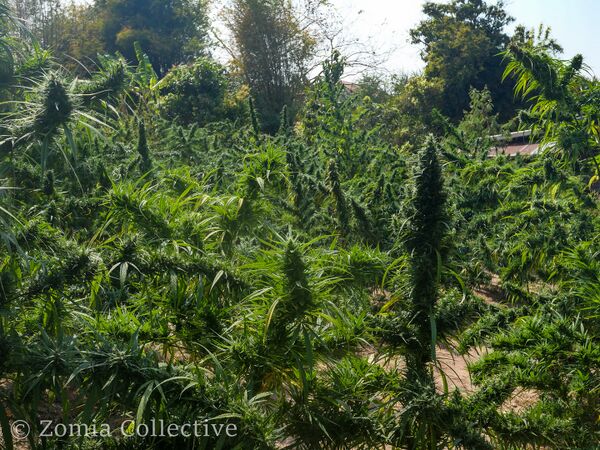
No image
No image
We are witnessing the rapid disappearance of traditional cultivation knowledge and genetic diversity in cannabis. These landrace populations represent thousands of years of natural and human selection, containing unique genetic traits and chemical profiles. Systematic documentation and conservation efforts can serve as a bridge—preserving irreplaceable genetic heritage while supporting traditional communities and advancing our understanding of this remarkable plant.
Explore the Database
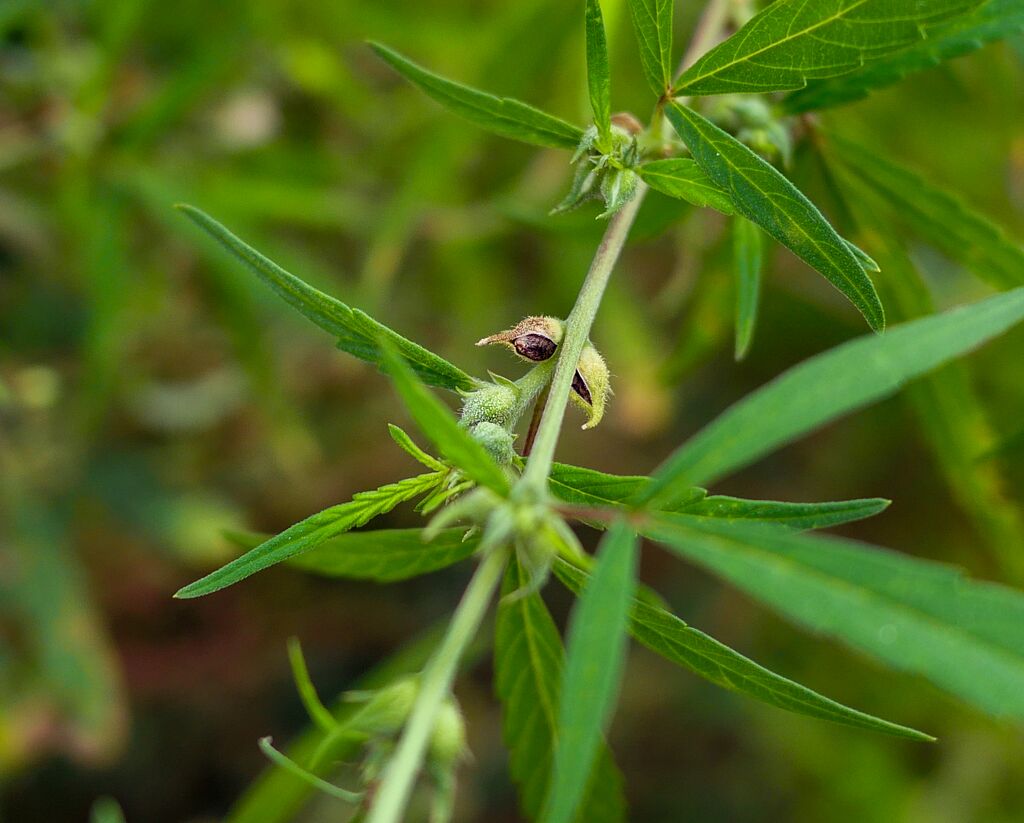
ZOM-IND-WEB-0620250075
Suripara Feral Selection 2025 is a feral landrace cannabis accession collected by Éloïse and Isabella of the Zomia Collective in West Bengal, India.
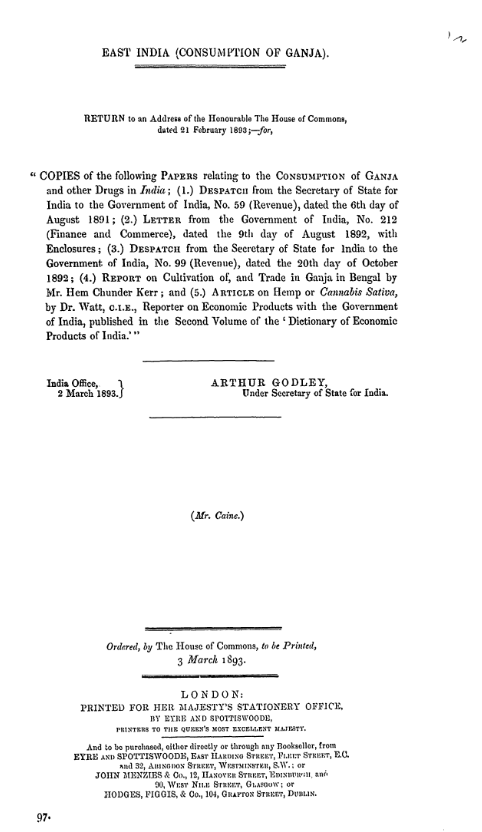
Report on the Cultivation of, and Trade in, Ganjá in Bengal (1877)
Report on the Cultivation of, and Trade in, Ganjá in Bengal is a special report by Hem Chunder Kerr, Deputy Collector on Special Duty to the Board of Revenue, Lower Provinces of Bengal, submitted at Calcutta in April 1877 and published the same year by the Bengal Secretariat Press. Sixteen years later it was reprinted in full in the House of Commons Parliamentary Paper East India (Consumption of Ganja), laid before Parliament on 21 February 1893, where it remains the most accessible form of the text.
Across roughly 110 numbered paragraphs the report describes the Ganja Mahal, the licensed ganja-cultivation tract in the Naogaon subdivision of Rajshahi (present-day Bangladesh), as Kerr observed it during a survey tour in 1876–77. It covers the etymology and botany of the plant, the agronomic calendar of cannabis cultivation practised by the licensed chāsi, the manufacture of the three product grades (flat, round and chur), the apparatus of licensing and the wholesale ganja trade and the economics of the cultivator class. It is the only detailed contemporaneous administrative survey of the tract at the height of the licensed-cultivation regime.
The report's content was carried forward almost verbatim into the Cannabis entry of George Watt's Dictionary of the Economic Products of India (1889) and supplied the substantive basis of the cultivation chapter of the Indian Hemp Drugs Commission Report (1894). … read more →
Encyclopedia
Latest reporting
Latest publications
Cannabis eradications
Recent updates