
Main Page
More actions
.png)
Landrace.wiki
The open database for landrace cannabis populations, their genetics and the traditional knowledge that sustains them.
Landrace.wiki is the open database for landrace cannabis—populations, their genetics, and the knowledge around them. Browse documented accessions, track conservation efforts, and contribute to preserving genetic diversity before it’s lost.
Landrace Cannabis Growing Region and Accession Map
- Stable8
- Vulnerable21
- Endangered43
- Critical89
- Extinct127
Featured Growing Regions
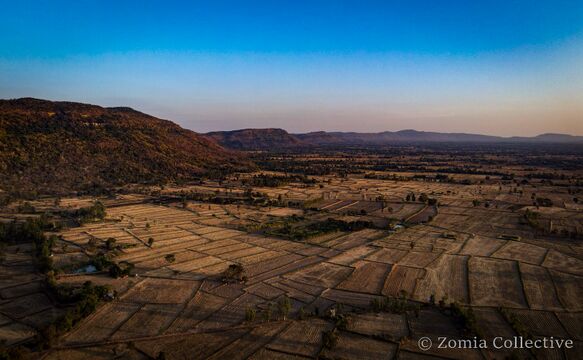
Northeastern Thailand
Southeast Asia - Khorat Plateau
The Khorat Plateau NLD landrace growing corridor retains core Thai-stick genetics, but diversity is eroding rapidly; conservation and documentation are urgently needed.
Endangered 55 accessions
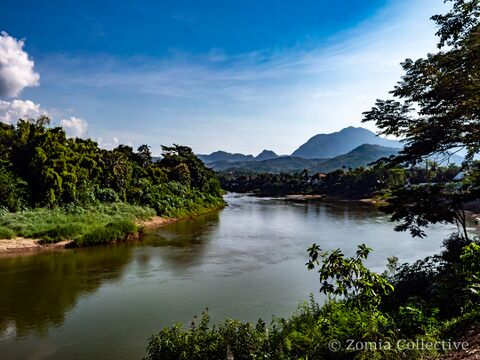
Northern Laos
Southeast Asia - Lao Highlands
Rugged northern Lao highlands with NLD type landraces still in cultivation, but under intense pressure; documentation and conservation are critical in the face of imminent extinction.
Critical 3 accessions
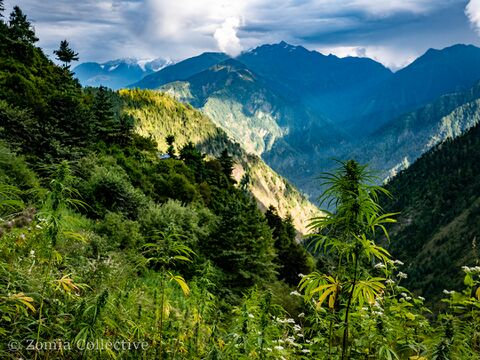
Western Himalayas
South Asia - Western Himalayas
Western Himalayan charas heartland where the cultivation of high elevation adapted NLD type landraces and consumption of charas are part of everyday village life.
Vulnerable 156 accessions
Featured Accessions
No image
No image
We are witnessing the rapid disappearance of traditional cultivation knowledge and genetic diversity in cannabis. These landrace populations represent thousands of years of natural and human selection, containing unique genetic traits and chemical profiles. Systematic documentation and conservation efforts can serve as a bridge—preserving irreplaceable genetic heritage while supporting traditional communities and advancing our understanding of this remarkable plant.
Explore the Database
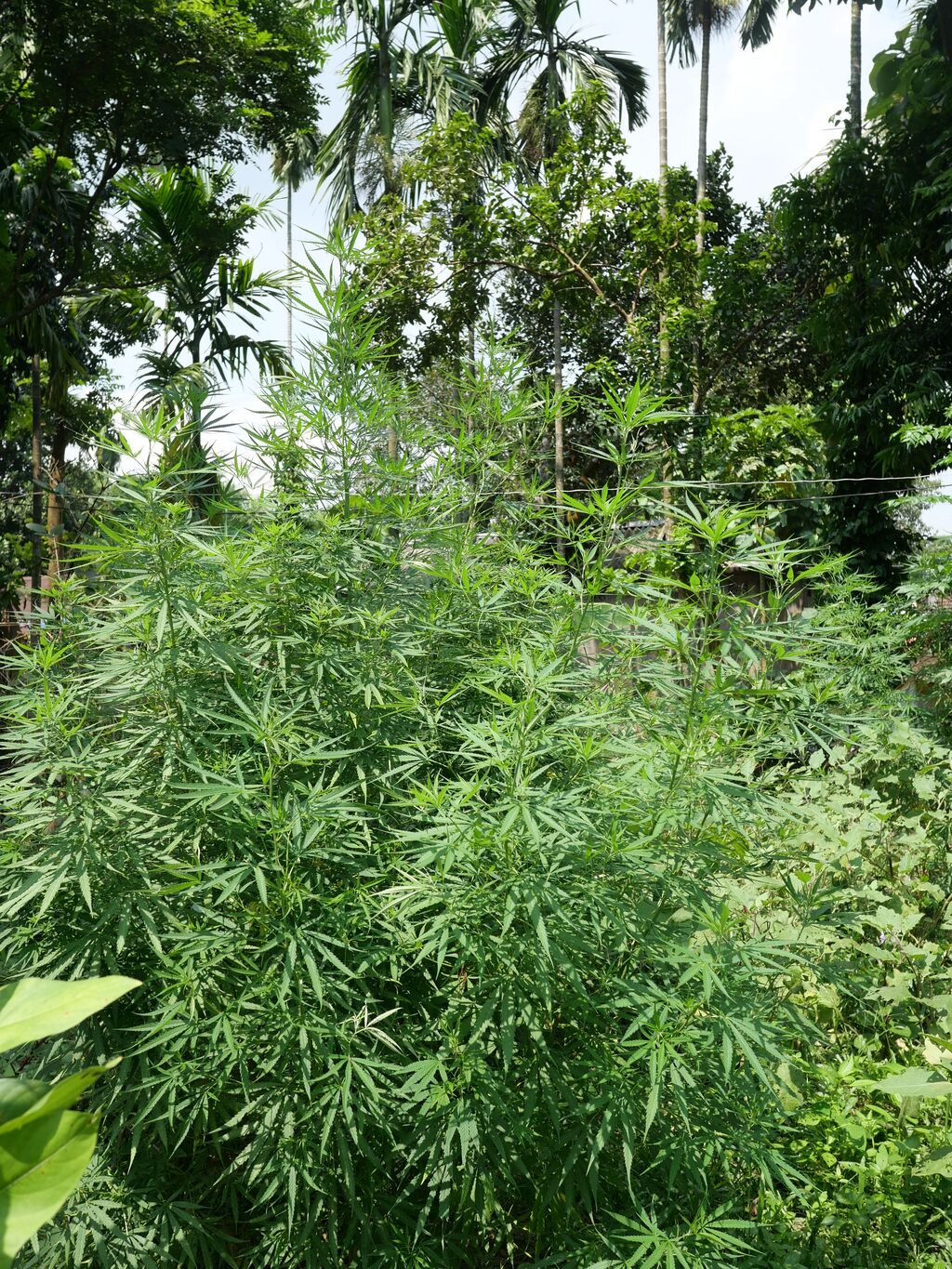
ZOM-IND-WEB-0720250015
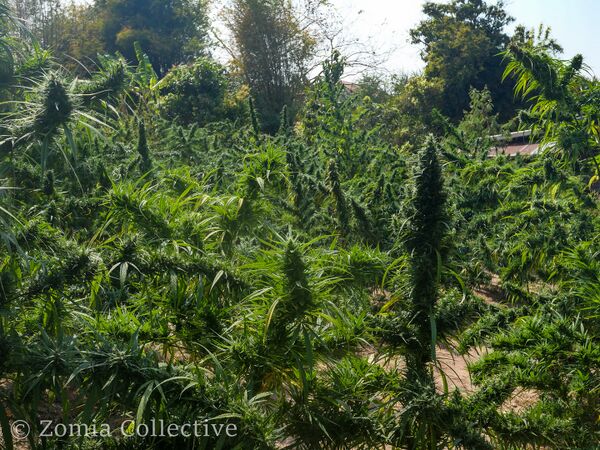
Baulbari General Population 2025 is a Domesticate landrace cannabis accession collected by Isabella of the Zomia Collective in West Bengal, India.
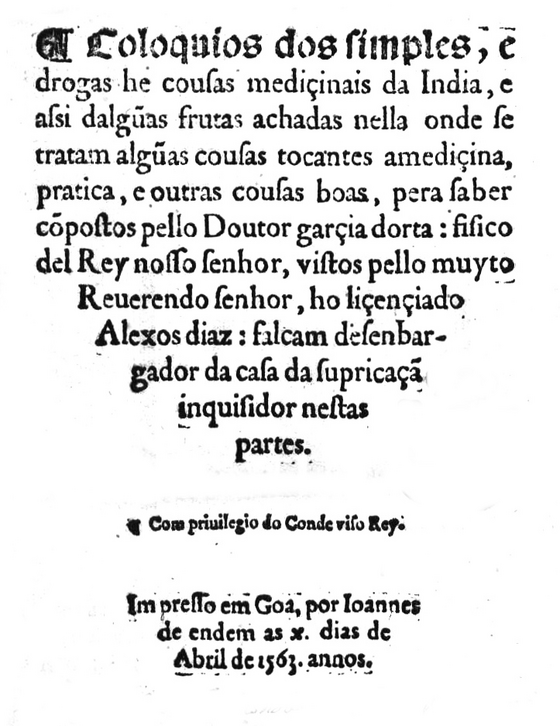
Colloquies on the Simples and Drugs of India (1563)
The Colóquios dos Simples e Drogas e Coisas Medicinais da Índia (Colloquies on the Simples, Drugs and Materia Medica of India) is a pharmacological treatise by the Portuguese Jewish physician and naturalist Garcia da Orta (c. 1490–c. 1570), published at Goa on 10 April 1563 by the printer João de Endem. The work consists of fifty-seven colloquies on the drugs, spices and medicinal plants of India, written as dialogues between Orta and a fictional interlocutor, Dr. Ruano. It was among the first books printed in India and is recognised as the foundational text of European tropical pharmacology.
Orta arrived at Goa in 1534 and remained in India for the rest of his life, building his knowledge through direct observation and consultation with local practitioners across Gujarat, the Deccan, Kerala and Ceylon. The Eighth Colloquy on Bangue (cannabis) is the earliest detailed European eyewitness account of cannabis preparations and use in India. It distinguishes preparations already established in sixteenth-century South Asia (bhanga, ganja, sidhi, charas, majum) and documents use across social classes, from sultans to servants. read more →
Encyclopedia
Latest reporting
Latest publications
Cannabis eradications
Recent updates
List of abbreviations:
- N
- This edit created a new page (also see list of new pages)
- m
- This is a minor edit
- b
- This edit was performed by a bot
- (±123)
- The page size changed by this number of bytes