
Main Page
More actions
.png)
Landrace.wiki
The open database for landrace cannabis populations, their genetics and the traditional knowledge that sustains them.
Landrace.wiki is the open database for landrace cannabis populations, their genetics and the knowledge around them. Browse documented accessions, track conservation efforts and contribute to preserving genetic diversity before it’s lost.
Explore the Database
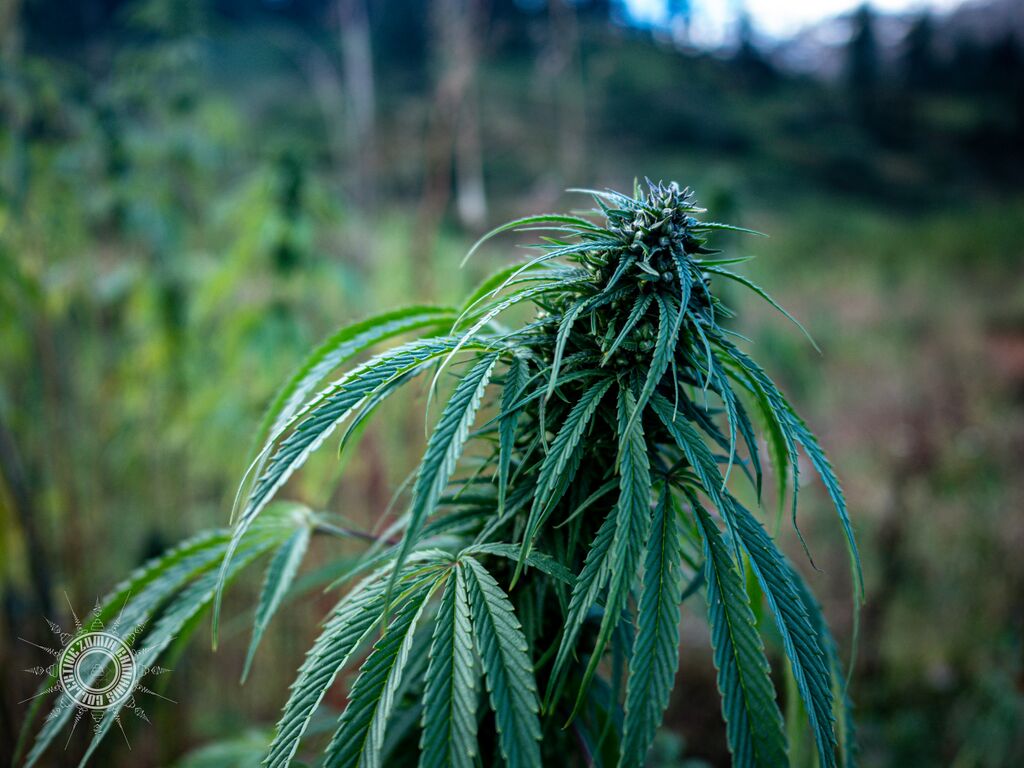
ZOM-IND-HIM-1020220018
Atolang General Population 2022 is a landrace cannabis accession documented by the Zomia Collective in India.
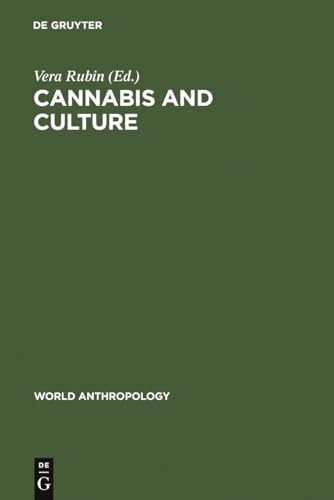
Ethnobotanical Aspects of Cannabis in Southeast Asia (1975)
"Ethnobotanical Aspects of Cannabis in Southeast Asia" is a chapter by Marie Alexandrine Martin (1932–2013), a French ethnobotanist and ethnologist at the Centre National de la Recherche Scientifique (CNRS), published in Vera Rubin (ed.), Cannabis and Culture (De Gruyter Mouton, 1975, pp. 63–76). Based on fieldwork conducted primarily in 1973, the chapter is the last systematic academic documentation of traditional cannabis cultivation, trade and use in Cambodia before the Khmer Rouge period (1975–1979) destroyed much of the country's traditional knowledge infrastructure.
Martin states that her field of study "is based essentially on Cambodia," with additional observations from Thailand, Laos and Vietnam, noting "great similarities among the different countries." The chapter covers every aspect of cannabis in the region: origin and introduction, terminology, cultivation and trade, psychoactive use, substitutes, frequency of use and dependency, medicinal applications, culinary use, textile use, and social attitudes. read more →
Encyclopedia
Latest reporting
Latest publications
Cannabis eradications
Featured Growing Regions
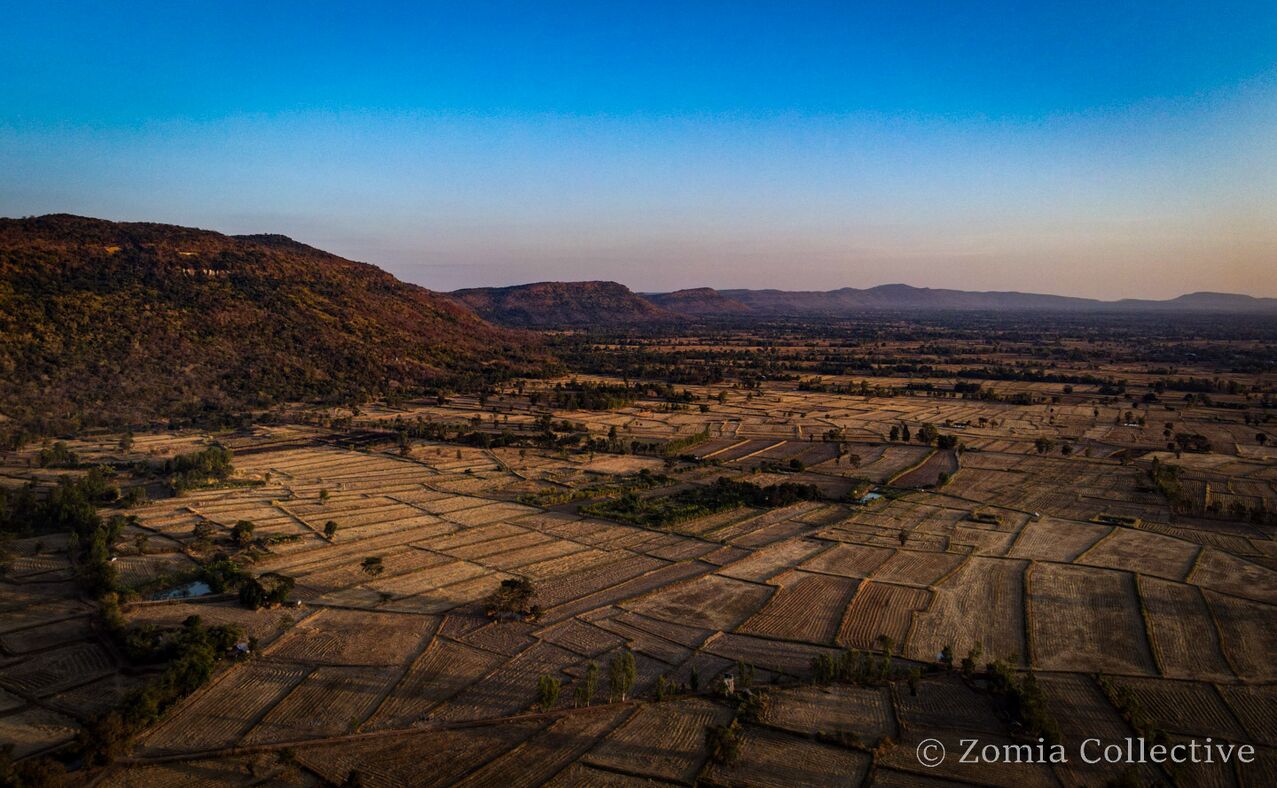
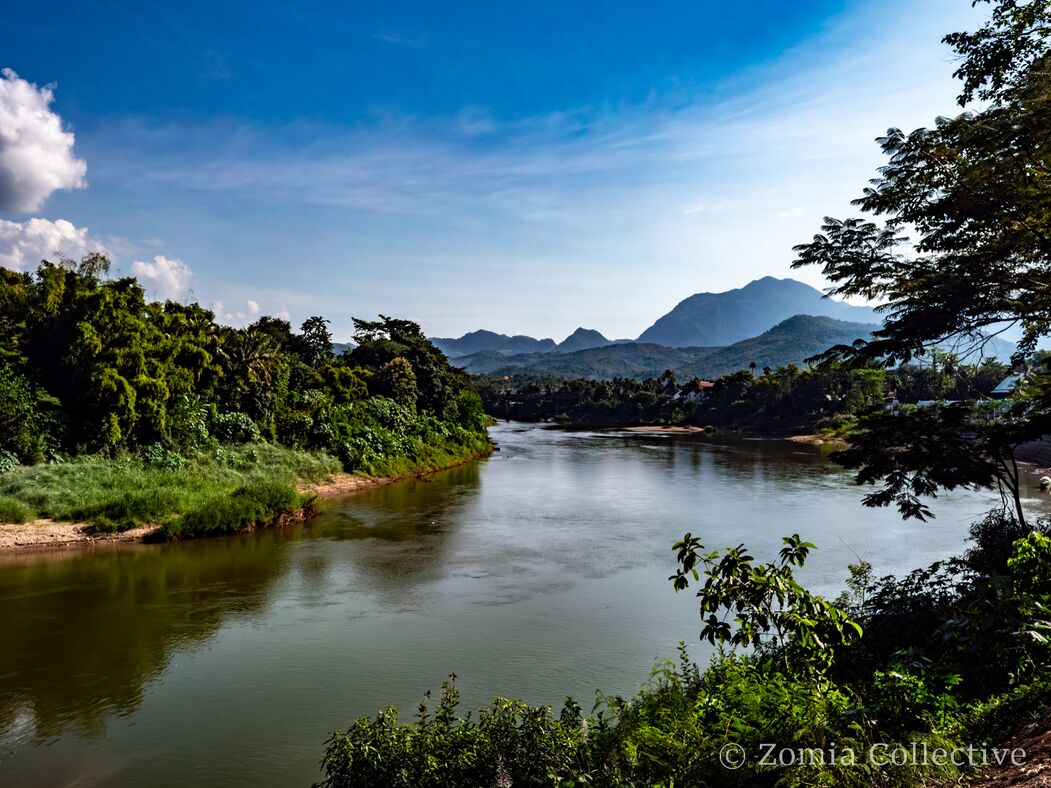
Featured Accessions
We are witnessing the rapid disappearance of traditional cultivation knowledge and genetic diversity in cannabis. These landrace populations represent thousands of years of natural and human selection, containing unique genetic traits and chemical profiles. Systematic documentation and conservation efforts can serve as a bridge, preserving irreplaceable genetic heritage while supporting traditional communities and advancing our understanding of this remarkable plant.
Recent updates