
Main Page
More actions
.png)
Landrace.wiki
The open database for landrace cannabis populations, their genetics and the traditional knowledge that sustains them.
Explore the Database
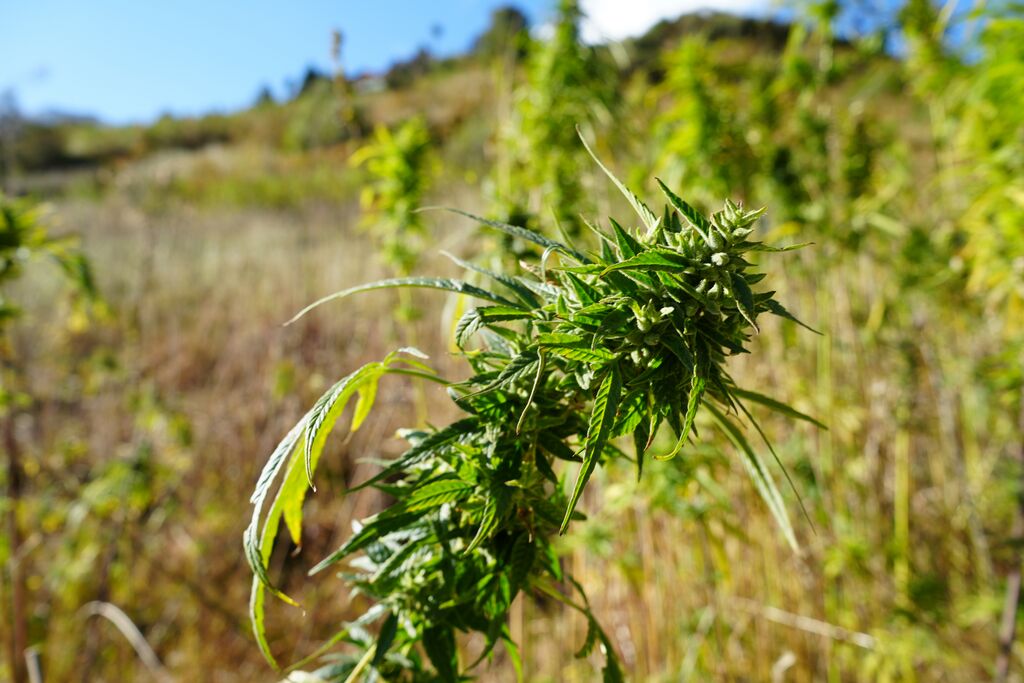
ZOM-IND-HIM-1020250004
Atolang Green Mango Selection 2025 is a landrace cannabis accession documented by the Zomia Collective in India.
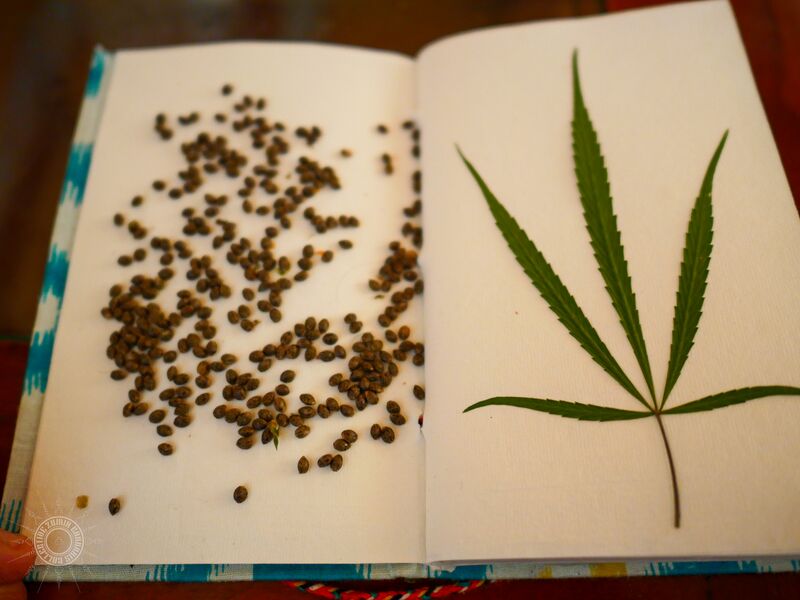
Cannabis ruderalis
Cannabis ruderalis Janisch. is a name applied to wild and weedy cannabis populations of temperate Eurasia, formally described as a separate species by the Russian botanist Dmitri Janischewsky in 1924 on the basis of plants collected along the lower Volga River system. The epithet derives from the botanical Latin ruderalis, "growing among waste": a ruderal species is one that colonises ground disturbed by human activity or natural agents.
The species status of C. ruderalis has been debated since publication of the name. Janischewsky himself recorded that he was "inclined to consider it a well marked variety" rather than a full species, and the most widely applied formal treatment, Small and Cronquist (1976), reduced the ruderalis concept to Cannabis sativa subsp. sativa var. spontanea Vavilov, a name with priority over C. ruderalis at the rank of variety, having been published by Vavilov in 1922. Three-species treatments after Schultes et al. (1974) retain C. ruderalis at species rank, while recent molecular work consistently supports the monotypic Cannabis sativa L. with ruderal forms distributed across the species rather than constituting a discrete lineage.
The plants to which the name C. ruderalis is applied are characterised by small stature, sparse branching, strongly shattering achenes and day-neutral flowering (flowering induced by plant age rather than by photoperiod). The day-neutral flowering trait, distinctive of ruderal populations, is the principal source of the autoflowering character in contemporary hybrid drug-cannabis cultivars. read more →
Encyclopedia
Latest reporting
Latest publications
Cannabis eradications
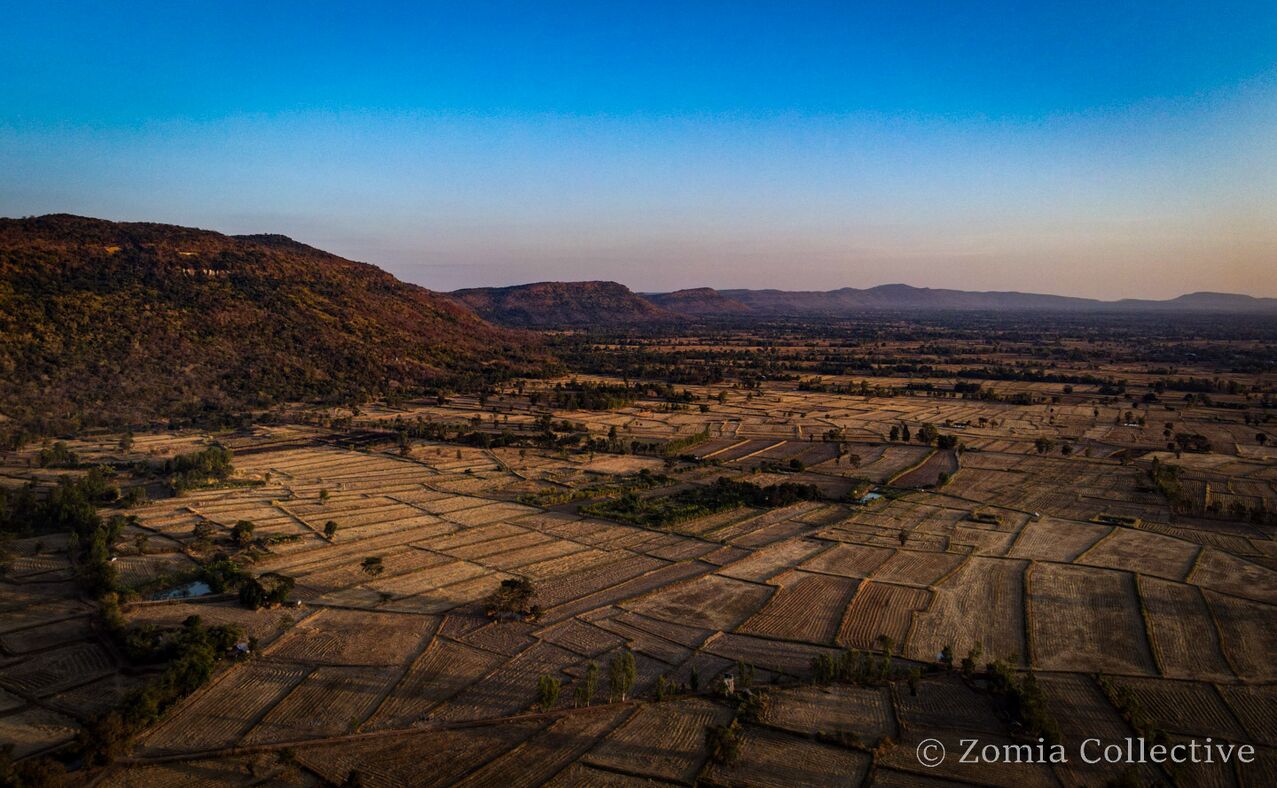
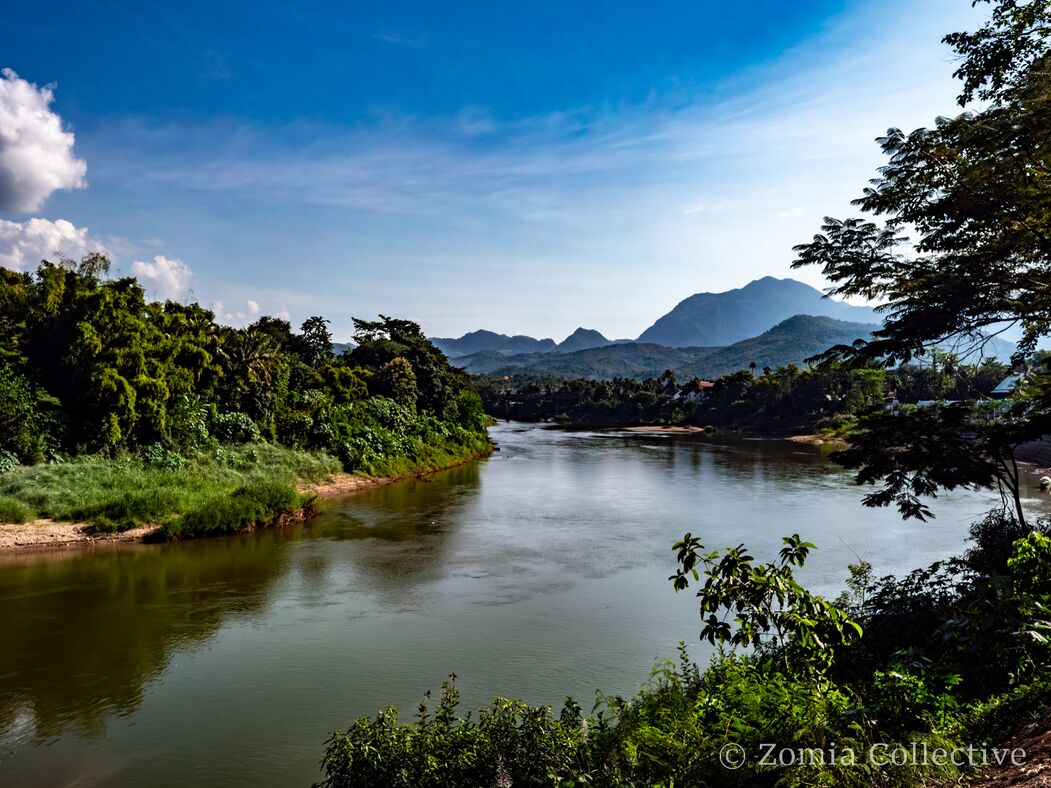
Featured Growing Regions
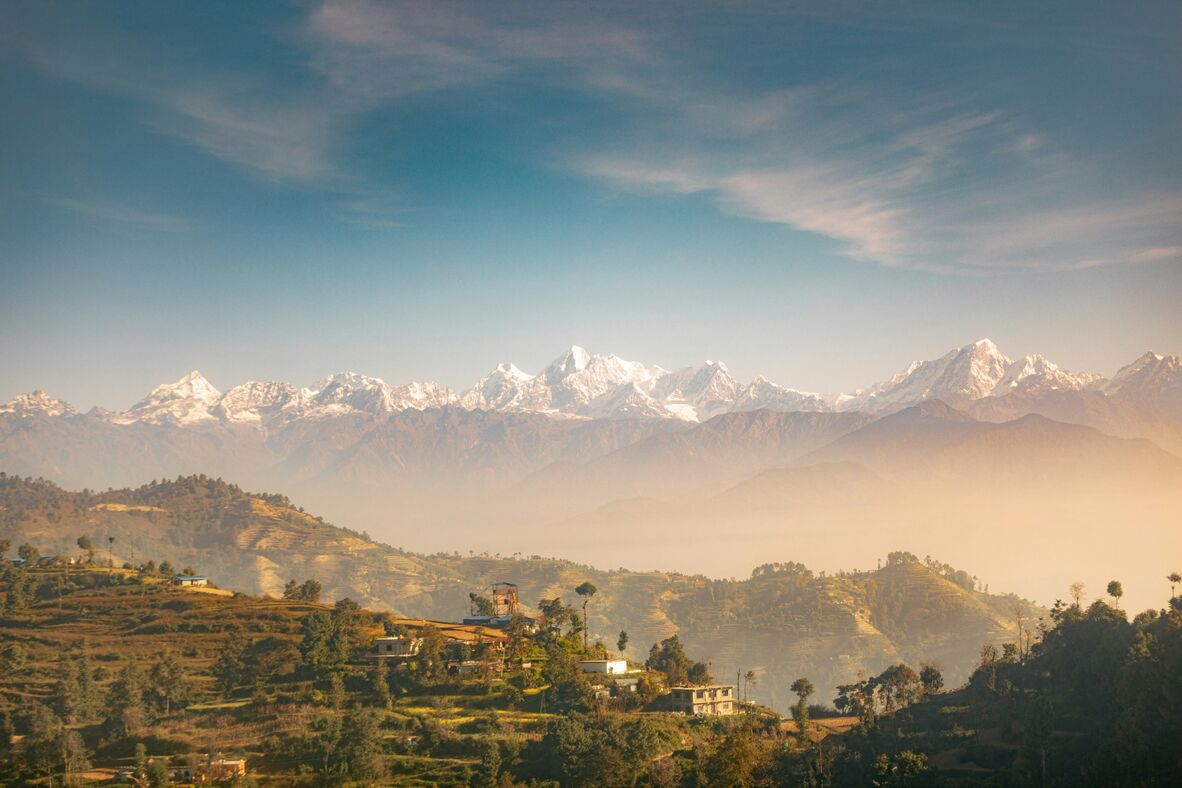
Featured Accessions
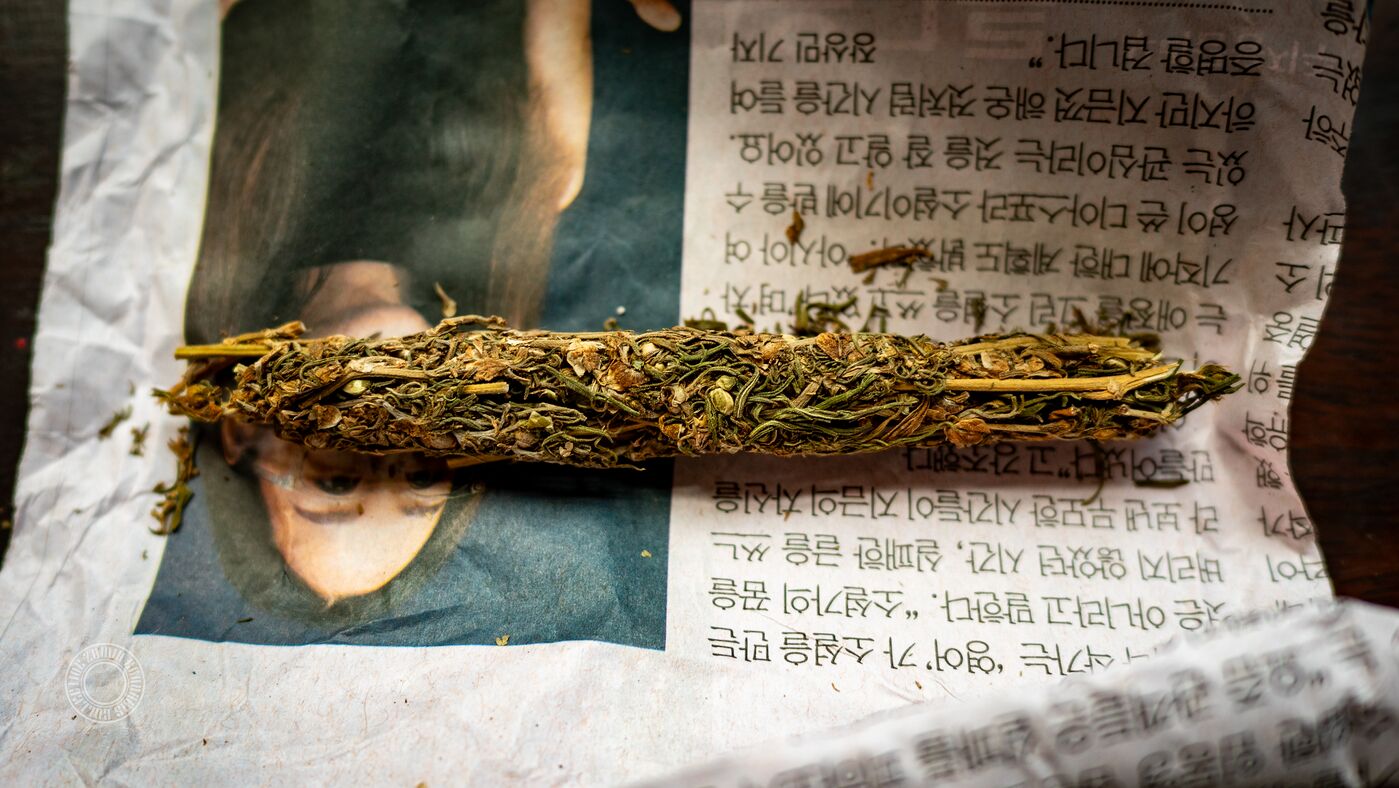
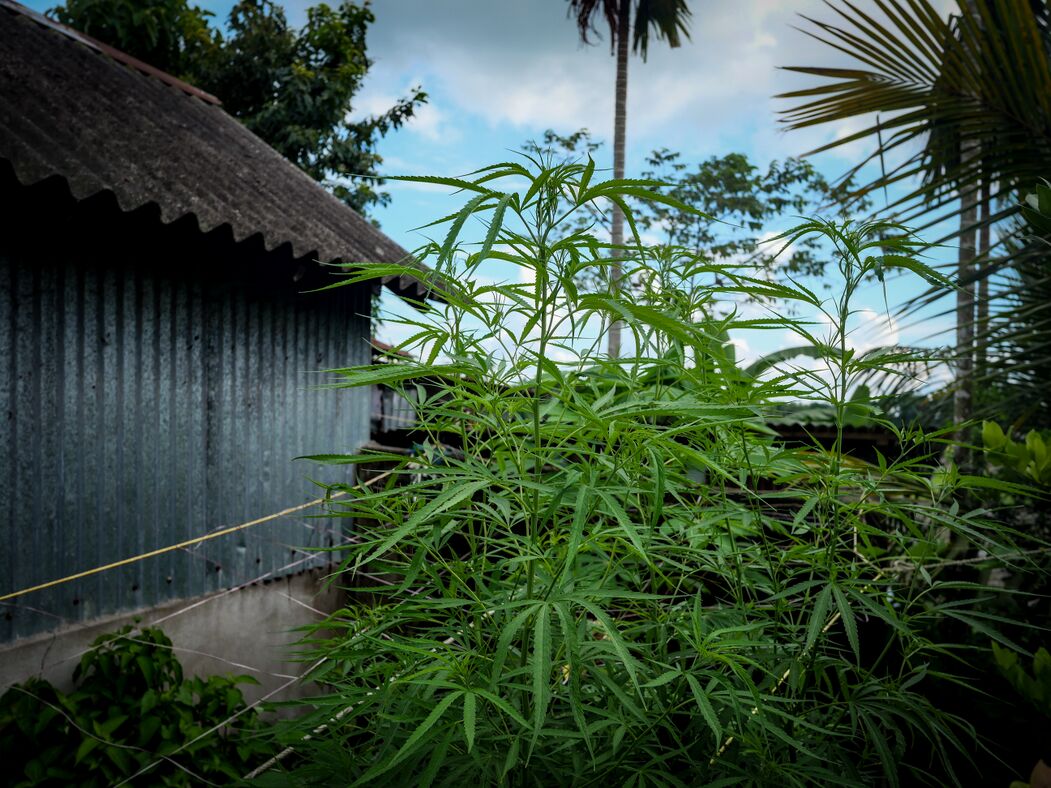
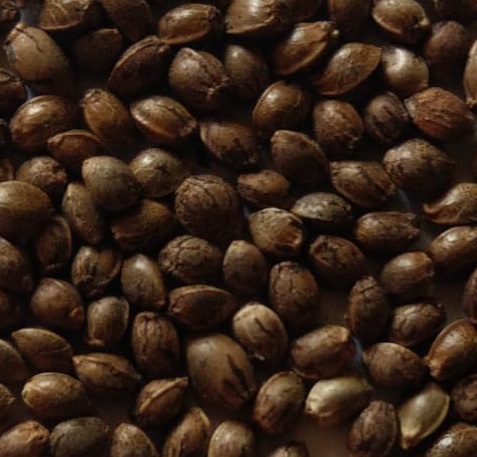
We are witnessing the rapid disappearance of traditional cultivation knowledge and genetic diversity in cannabis. These landrace populations represent thousands of years of natural and human selection, containing unique genetic traits and chemical profiles. Systematic documentation and conservation efforts can serve as a bridge, preserving irreplaceable genetic heritage while supporting traditional communities and advancing our understanding of this remarkable plant.
Recent updates