
Main Page
More actions
.png)
Landrace.wiki
The open database for landrace cannabis populations, their genetics and the traditional knowledge that sustains them.
Landrace.wiki is the open database for landrace cannabis—populations, their genetics, and the knowledge around them. Browse documented accessions, track conservation efforts, and contribute to preserving genetic diversity before it’s lost.
Landrace Cannabis Growing Region and Accession Map
- Stable8
- Vulnerable21
- Endangered43
- Critical89
- Extinct127
Featured Growing Regions
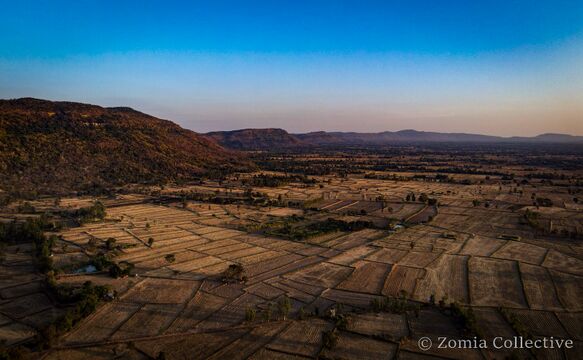
Northeastern Thailand
Southeast Asia - Khorat Plateau
The Khorat Plateau NLD landrace growing corridor retains core Thai-stick genetics, but diversity is eroding rapidly; conservation and documentation are urgently needed.
Endangered 55 accessions
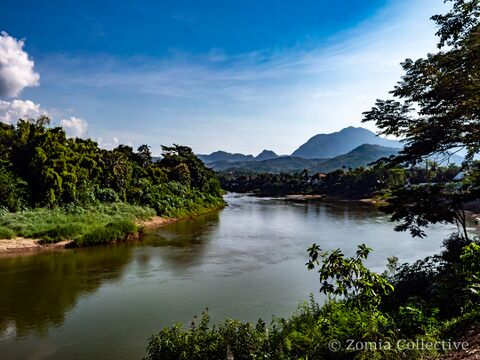
Northern Laos
Southeast Asia - Lao Highlands
Rugged northern Lao highlands with NLD type landraces still in cultivation, but under intense pressure; documentation and conservation are critical in the face of imminent extinction.
Critical 3 accessions
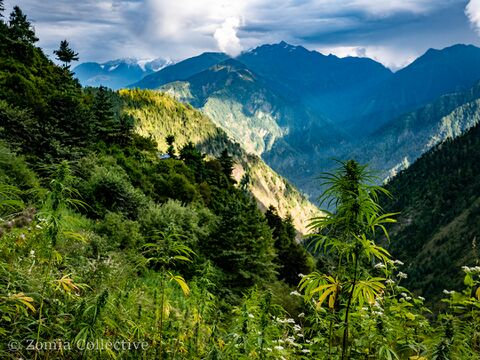
Western Himalayas
South Asia - Western Himalayas
Western Himalayan charas heartland where the cultivation of high elevation adapted NLD type landraces and consumption of charas are part of everyday village life.
Vulnerable 156 accessions
Featured Accessions
No image
No image
We are witnessing the rapid disappearance of traditional cultivation knowledge and genetic diversity in cannabis. These landrace populations represent thousands of years of natural and human selection, containing unique genetic traits and chemical profiles. Systematic documentation and conservation efforts can serve as a bridge—preserving irreplaceable genetic heritage while supporting traditional communities and advancing our understanding of this remarkable plant.
Explore the Database
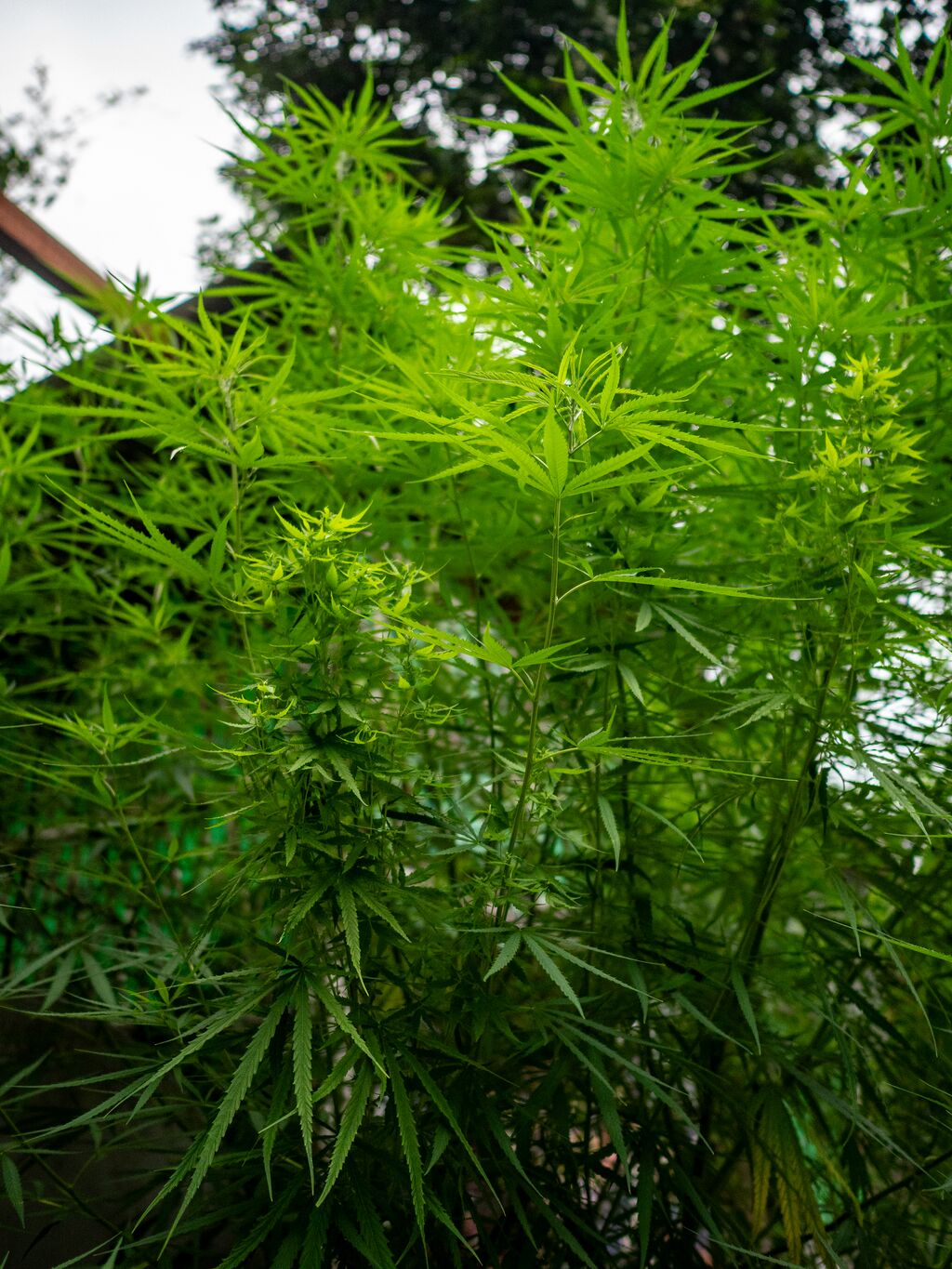
ZOM-IND-WEB-0720250006
Paschim Harmati General Population 2025 is a domesticate landrace cannabis accession. This accession was documented by Isabella in July 2025. A total of 1135 seeds were purchased by Isabella from a local alias 'Ajay'. The seeds come from a cultivated landrace cannabis population of 100+ plants grown near Paschim Harmati. Paschim Harmati is located in Jalpaiguri District, West Bengal, India, within the Maynaguri landrace cannabis growing area of the North Bengal Plains growing region.
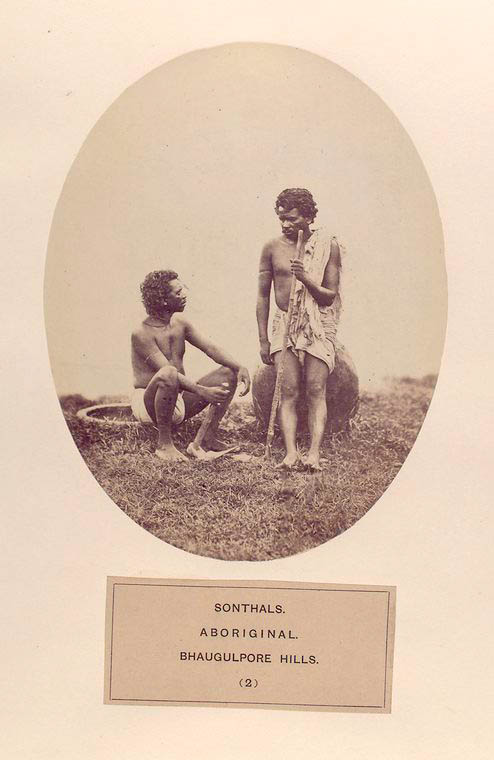
Santal people
The Santal (also Santhal; endonym Hor, "human being", or Hor hopon, "children of humankind") are a Munda-speaking Adivasi people of the eastern Indian subcontinent. They are the third most populous Scheduled Tribe in India after the Bhil and the Gond, and the most numerous of the Munda-speaking peoples. The 2011 Census of India recorded 6,570,807 Santals holding Scheduled Tribe status across five states, the largest concentrations being in Jharkhand and West Bengal; further communities live in Bangladesh and Nepal. They speak Santali, the most widely spoken language of the Munda subfamily, written since the early 20th century in the indigenous Ol Chiki script.
The Santal entered the colonial record in the late 18th century as forest-clearing agriculturalists in the Rajmahal Hills, and are remembered above all for the Santal Hul of 1855, one of the largest armed risings against East India Company rule. Their traditional religion, Sarna, centres on the worship of bonga (spirits) at a sacred grove. The Census of India records a majority of Santals as Hindu, a classification disputed by a movement seeking a separate Sarna religious code. Documented Santal practices include ritual, medicinal and material uses of cannabis, treated separately at Cannabis in Santal culture. read more →
Encyclopedia
Latest reporting
Latest publications
Cannabis eradications
Recent updates