
Main Page
More actions
.png)
Landrace.wiki
The open database for landrace cannabis populations, their genetics and the traditional knowledge that sustains them.
Landrace.wiki is the open database for landrace cannabis—populations, their genetics, and the knowledge around them. Browse documented accessions, track conservation efforts, and contribute to preserving genetic diversity before it’s lost.
Landrace Cannabis Growing Region and Accession Map
- Stable8
- Vulnerable21
- Endangered43
- Critical89
- Extinct127
Featured Growing Regions
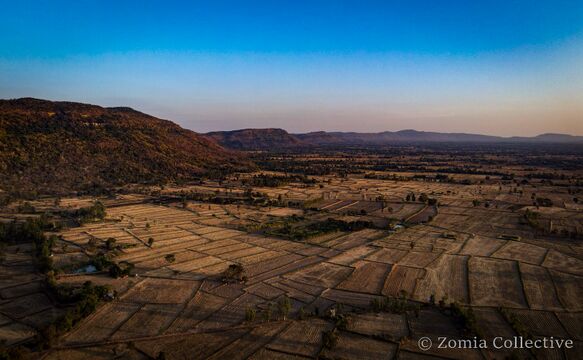
Northeastern Thailand
Southeast Asia - Khorat Plateau
The Khorat Plateau NLD landrace growing corridor retains core Thai-stick genetics, but diversity is eroding rapidly; conservation and documentation are urgently needed.
Endangered 55 accessions
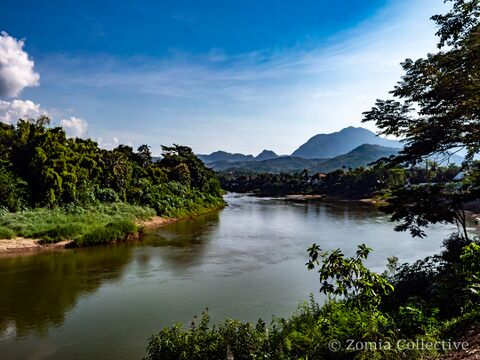
Northern Laos
Southeast Asia - Lao Highlands
Rugged northern Lao highlands with NLD type landraces still in cultivation, but under intense pressure; documentation and conservation are critical in the face of imminent extinction.
Critical 3 accessions
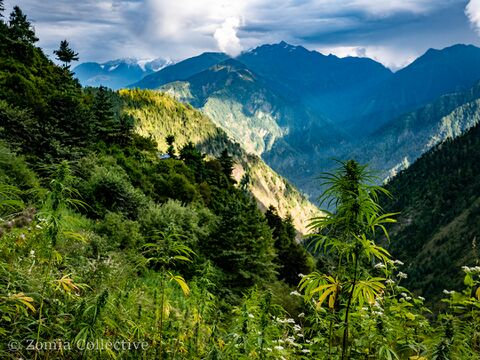
Western Himalayas
South Asia - Western Himalayas
Western Himalayan charas heartland where the cultivation of high elevation adapted NLD type landraces and consumption of charas are part of everyday village life.
Vulnerable 156 accessions
Featured Accessions
No image
No image
We are witnessing the rapid disappearance of traditional cultivation knowledge and genetic diversity in cannabis. These landrace populations represent thousands of years of natural and human selection, containing unique genetic traits and chemical profiles. Systematic documentation and conservation efforts can serve as a bridge—preserving irreplaceable genetic heritage while supporting traditional communities and advancing our understanding of this remarkable plant.
Explore the Database
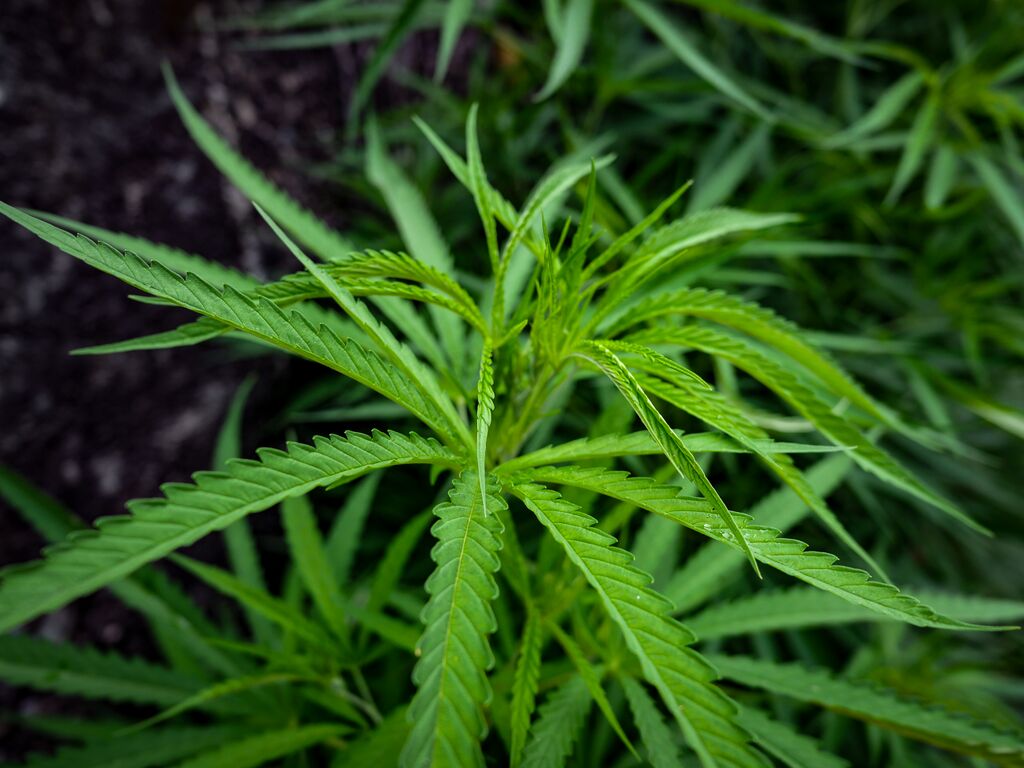
ZOM-IND-WEB-0720250016
Fulkardabri - Sujan's Selection #2 2025 is a domesticate landrace cannabis accession. This accession was documented by Isabella in July 2025. A total of 410 seeds were given to Isabella by a local cannabis grower alias 'Sujan'. The seeds come from a cultivated landrace cannabis population of 20 plants grown by Sujan near Fulkardabri village. Fulkardabri is located in Cooch Behar District, West Bengal, India, within the Mekliganj landrace cannabis growing area of the North Bengal Plains growing region.
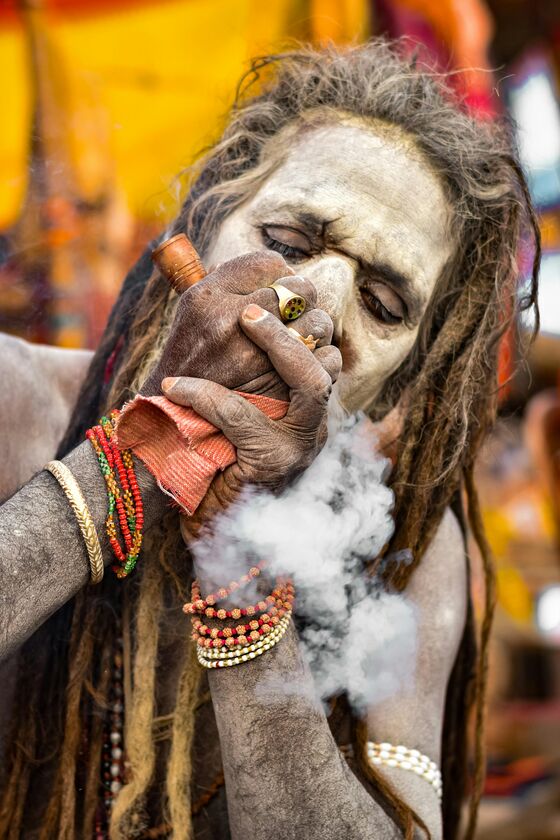
Tantric Cannabis use in India
Tantric cannabis use in India refers to the ceremonial role of cannabis, particularly in the form of a beverage called vijaya, within the rituals of Hindu and Buddhist Tantrism. The tradition arose in approximately the seventh century AD from a convergence of Shaivite Hinduism and Tibetan Buddhism, reaching its peak in medieval Bengal and the Himalayan kingdoms. Three strands of earlier Vedic tradition, the magical use of bhang, the mythology of divine poison-drinking and the practice of drug yoga, were woven together in Tantric ritual into a systematic methodology for achieving liberation (mahanirvana).
In Tantric mythology, vijaya (literally "victory") is identified with the amrita produced by the Churning of the Milk Ocean, the nectar of immortality recovered by the gods after Shiva caught the world-threatening poison in his throat. The beverage is consumed at the start of the ritual and reaches full effect approximately ninety minutes later, coinciding with the ceremony's climax. Within the literal ("left-handed") form of practice, vijaya is integrated alongside the panchamakara or "five M's" (liquor, fish, meat, parched grain and ritual intercourse), serving both as a disinhibitor against the cultural taboos that left-handed practice deliberately transgresses and as a sense-heightener directing the visualisation of specific deities. read more →
Encyclopedia
Latest reporting
Latest publications
Cannabis eradications
Recent updates
List of abbreviations:
- N
- This edit created a new page (also see list of new pages)
- m
- This is a minor edit
- b
- This edit was performed by a bot
- (±123)
- The page size changed by this number of bytes