
Main Page
More actions
.png)
Landrace.wiki
The open database for landrace cannabis populations, their genetics and the traditional knowledge that sustains them.
Landrace.wiki is the open database for landrace cannabis—populations, their genetics, and the knowledge around them. Browse documented accessions, track conservation efforts, and contribute to preserving genetic diversity before it’s lost.
Landrace Cannabis Growing Region and Accession Map
- Stable8
- Vulnerable21
- Endangered43
- Critical89
- Extinct127
Featured Growing Regions
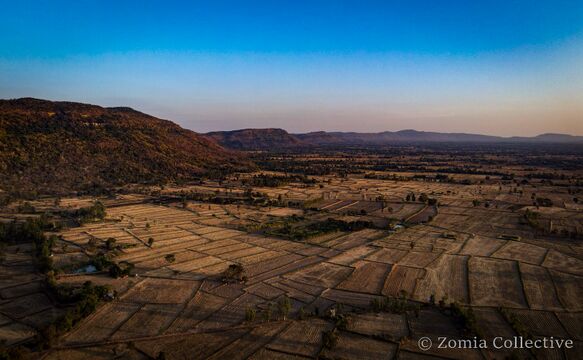
Northeastern Thailand
Southeast Asia - Khorat Plateau
The Khorat Plateau NLD landrace growing corridor retains core Thai-stick genetics, but diversity is eroding rapidly; conservation and documentation are urgently needed.
Endangered 0 accessions
Profile coming soon
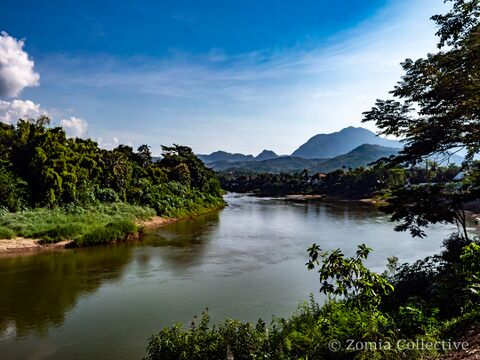
Northern Laos
Southeast Asia - Lao Highlands
Rugged northern Lao highlands with NLD type landraces still in cultivation, but under intense pressure; documentation and conservation are critical in the face of imminent extinction.
Critical 3 accessions
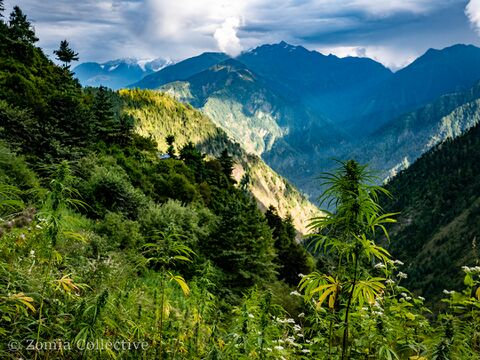
Western Himalayas
South Asia - Western Himalayas
Western Himalayan charas heartland where the cultivation of high elevation adapted NLD type landraces and consumption of charas are a part of everyday village life.
Vulnerable 156 accessions
Featured Accessions
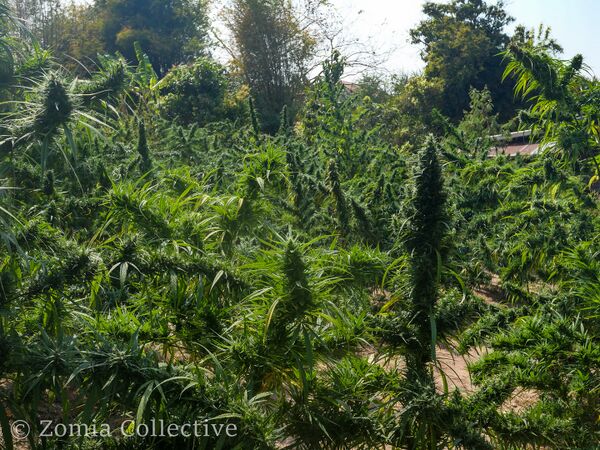
No image
No image
We are witnessing the rapid disappearance of traditional cultivation knowledge and genetic diversity in cannabis. These landrace populations represent thousands of years of natural and human selection, containing unique genetic traits and chemical profiles. Systematic documentation and conservation efforts can serve as a bridge—preserving irreplaceable genetic heritage while supporting traditional communities and advancing our understanding of this remarkable plant.
Explore the Database
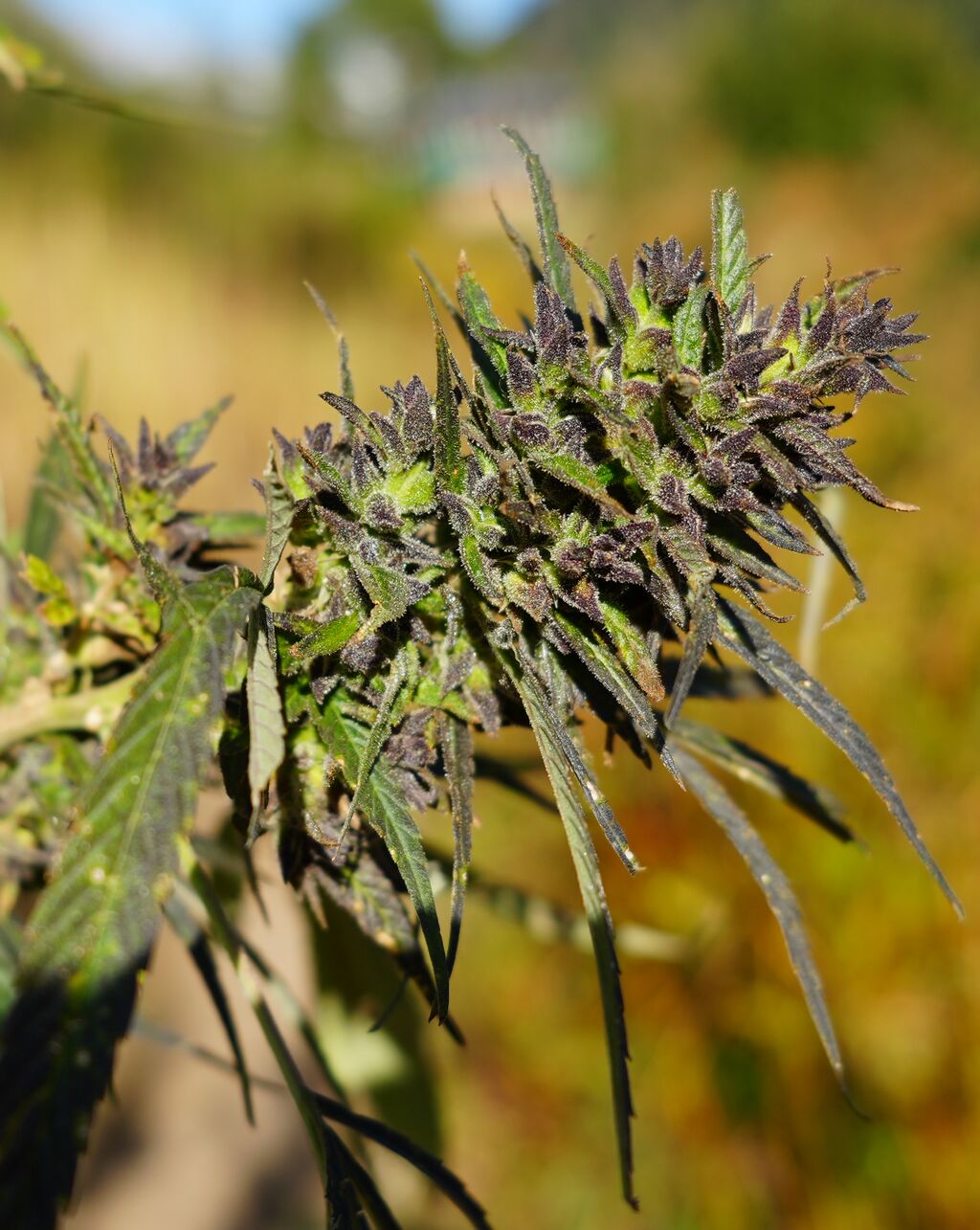
ZOM-IND-HIM-1020250005
Atolang Black Selection #1 2025 is a landrace cannabis accession documented by the Zomia Collective in India.
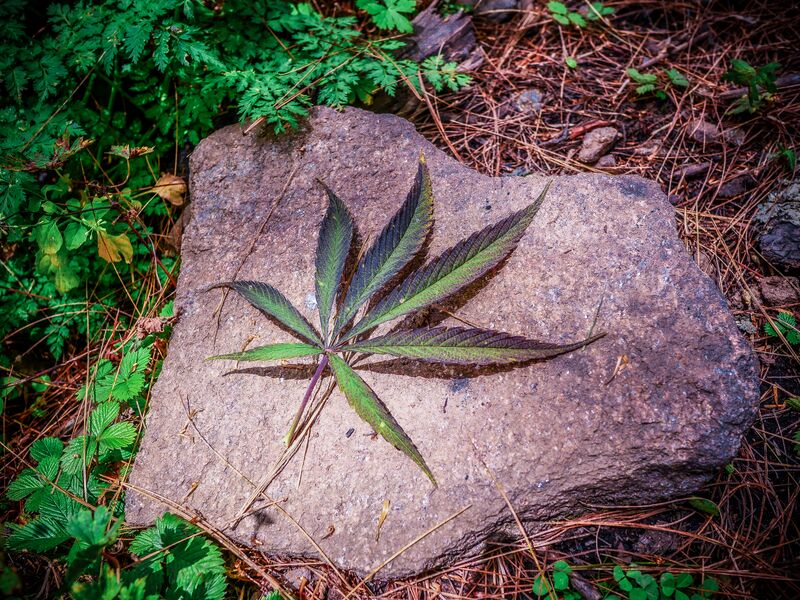
Cannabaceae
Cannabaceae is a small family of flowering plants in the order Rosales, containing about ten genera and between approximately 117 and 170 species, with the precise count depending on the treatment of variable genera such as Trema, Parasponia and Celtis. The family includes the herbaceous genera Cannabis (hemp) and Humulus (hops), which are its most economically important members, alongside the woody genera Celtis (hackberries), Trema, Aphananthe, Chaetachme, Gironniera, Lozanella, Parasponia and Pteroceltis. It is sometimes called the hemp family.
The family is recognised in its present, expanded form only since the early 2000s. Earlier botanists placed Cannabis and Humulus variously in Urticaceae or Moraceae, and the remaining genera in a separate family Celtidaceae. Molecular phylogenetic analyses of plastid DNA in the late 1990s and early 2000s showed that Cannabis and Humulus are nested within former Celtidaceae genera, and that the combined group is best treated as a single family. Under priority rules, Cannabaceae, the older family name, was retained.
Few morphological characters apply to every member of the family. Cannabaceae includes trees, shrubs, erect herbs and twining vines; leaves may be alternate, opposite or both on the same plant; and fruits may be drupes, samaras or achenes. The family is held together by molecular evidence and a small set of supporting characters including usually unisexual and inconspicuous flowers, antitepalous stamens, the presence of stipules and diporate or triporate pollen. read more →
Encyclopedia
Latest reporting
Latest publications
Cannabis eradications
Recent updates
List of abbreviations:
- N
- This edit created a new page (also see list of new pages)
- m
- This is a minor edit
- b
- This edit was performed by a bot
- (±123)
- The page size changed by this number of bytes