
Main Page
More actions
.png)
Landrace.wiki
The open database for landrace cannabis populations, their genetics and the traditional knowledge that sustains them.
Landrace.wiki is the open database for landrace cannabis—populations, their genetics, and the knowledge around them. Browse documented accessions, track conservation efforts, and contribute to preserving genetic diversity before it’s lost.
Landrace Cannabis Growing Region and Accession Map
- Stable8
- Vulnerable21
- Endangered43
- Critical89
- Extinct127
Featured Growing Regions
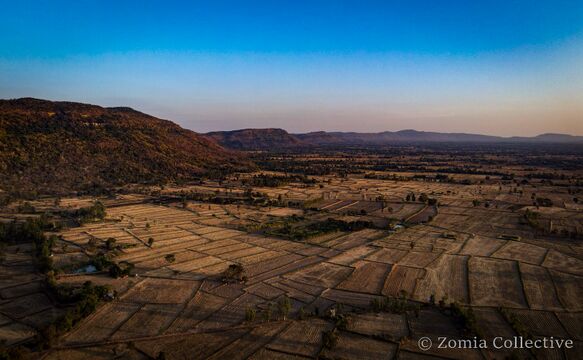
Northeastern Thailand
The Khorat Plateau NLD landrace corridor retains core Thai-stick genetics, but diversity is eroding rapidly; conservation and documentation are urgently needed.
Endangered 55 accessions
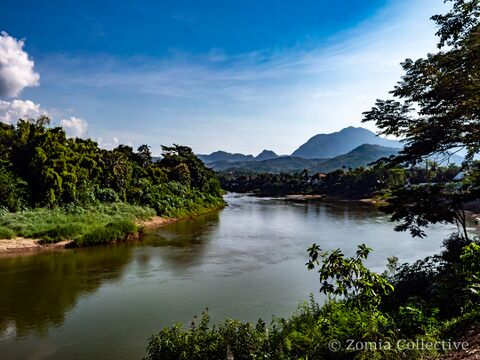
Northern Laos
Rugged northern Lao highlands with NLD-type landraces still in cultivation, but under intense pressure; documentation and conservation are urgent.
Critical 3 accessions
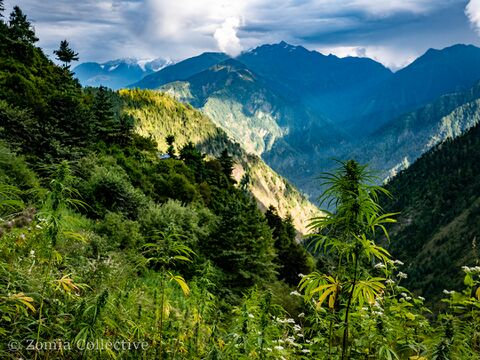
Western Himalayas
Charas heartland where high-elevation, village-managed NLD landraces persist despite tourism and law-enforcement pressure—resilient yet not invulnerable.
Vulnerable 156 accessions
Featured Accessions
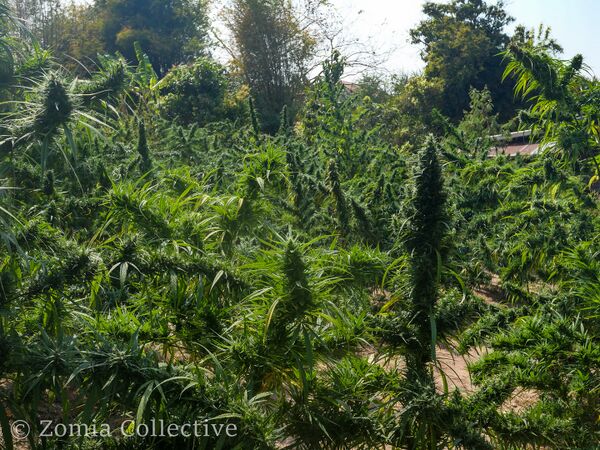
No image
No image
We are witnessing the rapid disappearance of traditional cultivation knowledge and genetic diversity in cannabis. These landrace populations represent thousands of years of natural and human selection, containing unique genetic traits and chemical profiles. Systematic documentation and conservation efforts can serve as a bridge—preserving irreplaceable genetic heritage while supporting traditional communities and advancing our understanding of this remarkable plant.
Explore the Database
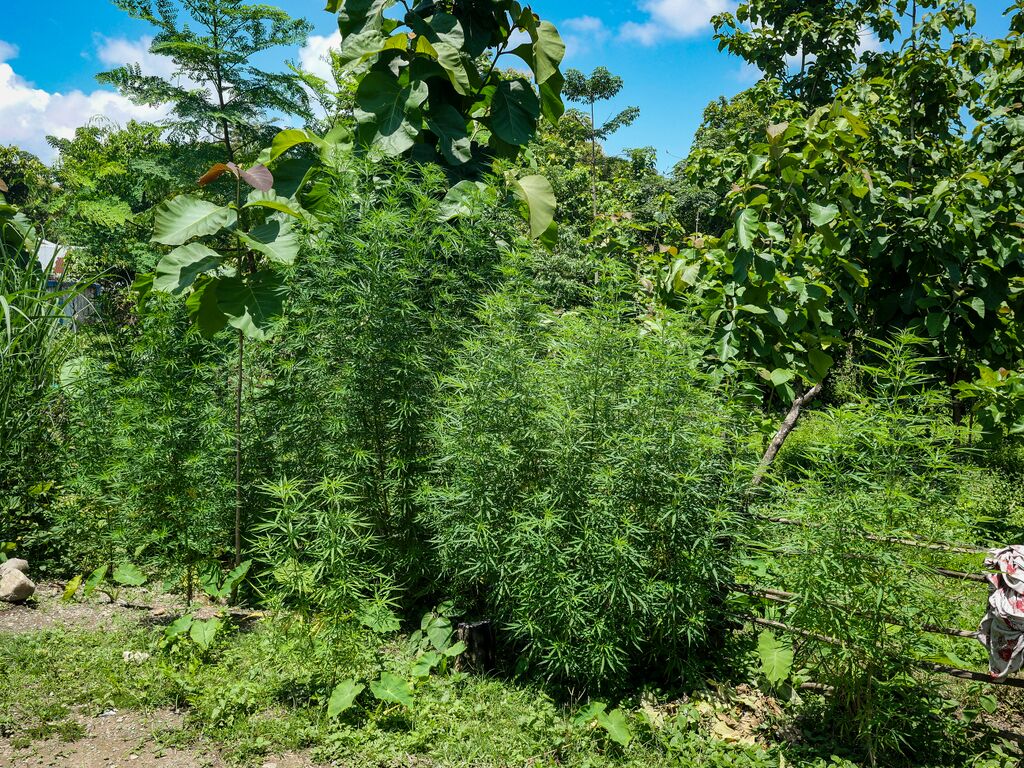
ZOM-IND-WEB-0620250068
Makrapara General Population 2025 is a Domesticate landrace cannabis accession collected by Isabella of the Zomia Collective in West Bengal, India.
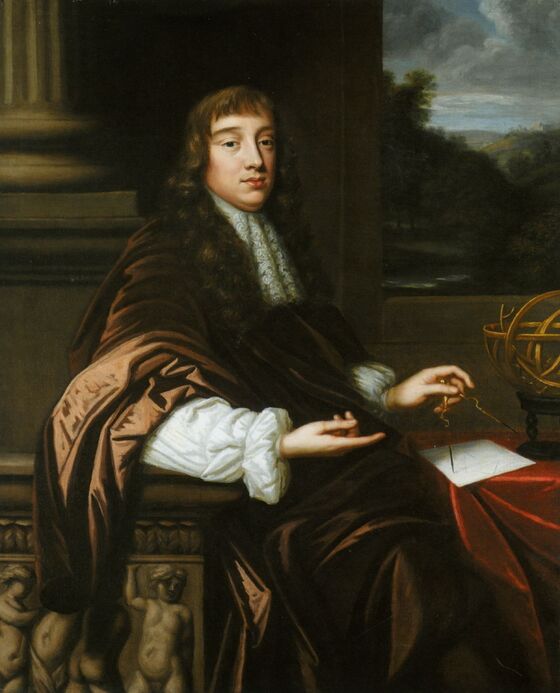
Robert Hooke Bangue Experiment (1689)
"An Account of the Plant, call'd Bangue" is a lecture delivered by Robert Hooke (1635–1703) to the Royal Society of London on 18 December 1689. Hooke's notes were found posthumously and published in 1726 by Richard Waller in Philosophical Experiments and Observations of the Late Eminent Dr. Robert Hooke. The lecture describes the effects of cannabis on a human subject (possibly Robert Knox, or Hooke himself) and represents the first detailed English-language scientific description of cannabis and the first recorded attempt to evaluate its therapeutic potential in a European institutional setting.
Hooke received the sample from Knox in September 1689, six weeks before delivering the lecture. Knox had encountered the plant during nineteen years of captivity in the Kingdom of Kandy, where he and a companion had used dried leaf mixed with jaggery to ward off fevers contracted from contaminated water during their escape attempts. Hooke described the method of administration (powdered leaf and seed chewed and swallowed in a dose "about as much as may fill a common Tobacco-Pipe"), reported the psychoactive effects on the unnamed subject, and proposed that the plant might "be of considerable Use for Lunaticks". He concluded by reporting an ongoing attempt to grow Knox's seeds in London, the first recorded attempt to cultivate Sri Lankan cannabis outside South Asia. read more →
Encyclopedia
Latest reporting
Latest publications
Cannabis eradications
Recent updates