
Main Page
More actions
.png)
Landrace.wiki
The open database for landrace cannabis populations, their genetics and the traditional knowledge that sustains them.
Landrace.wiki is the open database for landrace cannabis populations, their genetics and the knowledge around them. Browse documented accessions, track conservation efforts and contribute to preserving genetic diversity before it’s lost.
Explore the Database
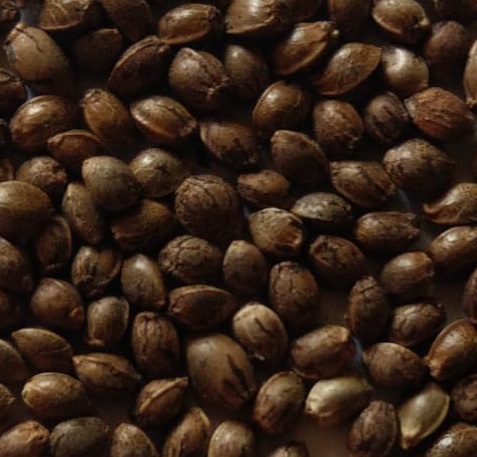
RSC-LAO-VIE-0120220001
Central Lao General Population 2022 is a landrace cannabis accession sourced by Angus of The Real Seed Company from Vientiane Province, Laos.
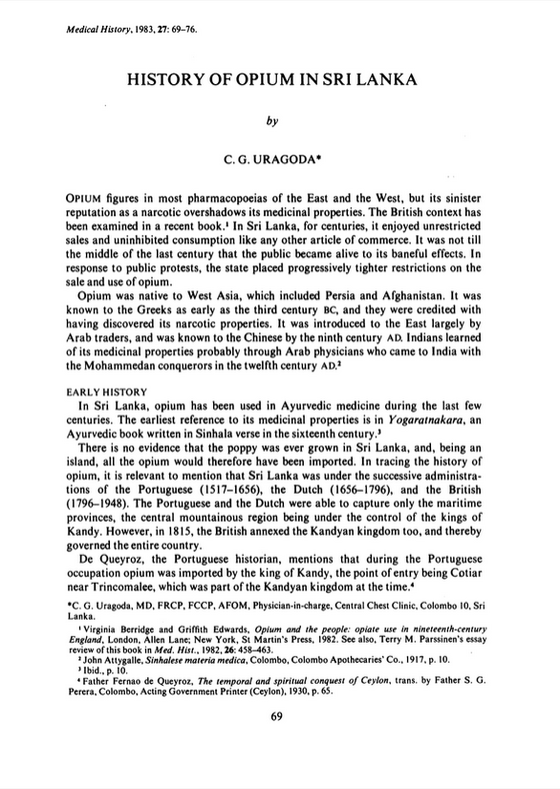
History of Opium in Sri Lanka (Uragoda 1983)
"History of Opium in Sri Lanka" is a scholarly article by C.G. Uragoda, published in the journal Medical History (volume 27, pages 69–76) in January 1983 by Cambridge University Press. The article is an important secondary source for the history of opium and cannabis regulation in colonial Ceylon, providing documented citation chains to primary colonial government records across a period spanning the Dutch administration through the early twentieth century.
Uragoda traces regulation from the Dutch period (with opium imported from Surat and Bengal as recorded in Governor Van Goens's 1663 memoirs), through the establishment of the first licensed opium shop at Chilaw around 1850, to the Opium and Bhang Ordinance of 1867 which placed both substances under a licensed dealer system. Governor Sir West Ridgeway doubled the opium duty and banned the import of bang (ganja) in 1897, and parliamentary questioning in the House of Commons in 1907, including a reply from the young Winston Churchill as Under-Secretary of State for the Colonies, led to the appointment of the Allan Perry committee and the eventual closure of all opium shops. read more →
Encyclopedia
Latest reporting
Latest publications
Cannabis eradications
Featured Growing Regions

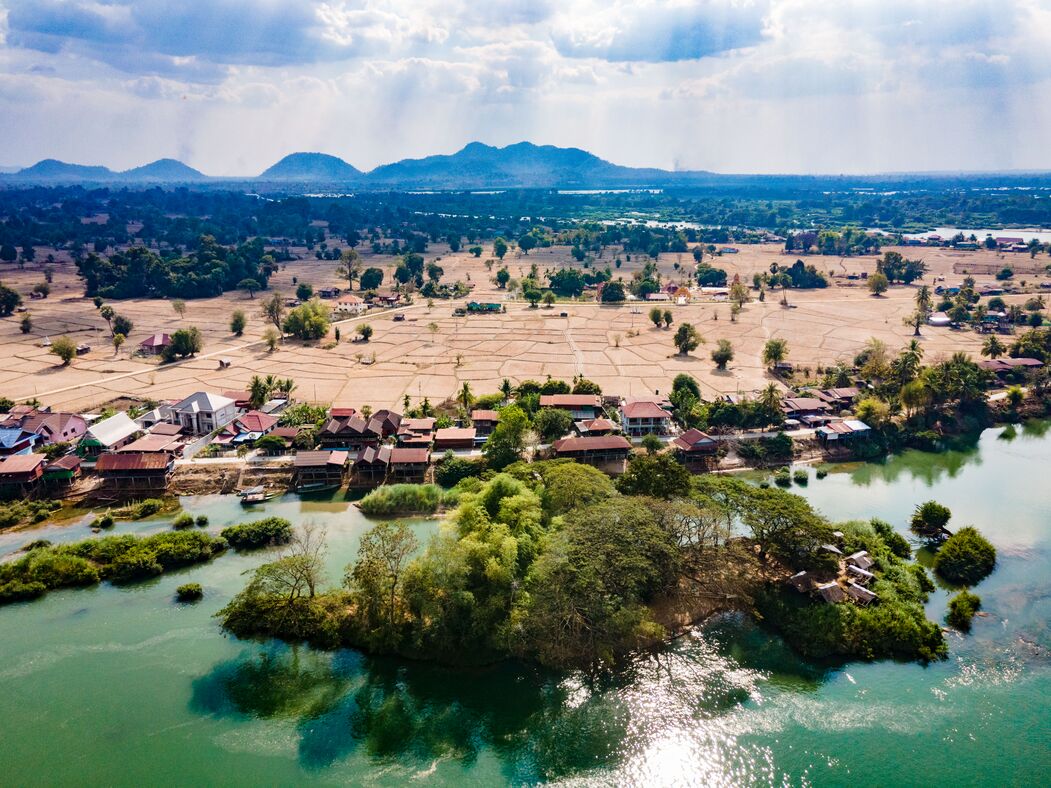
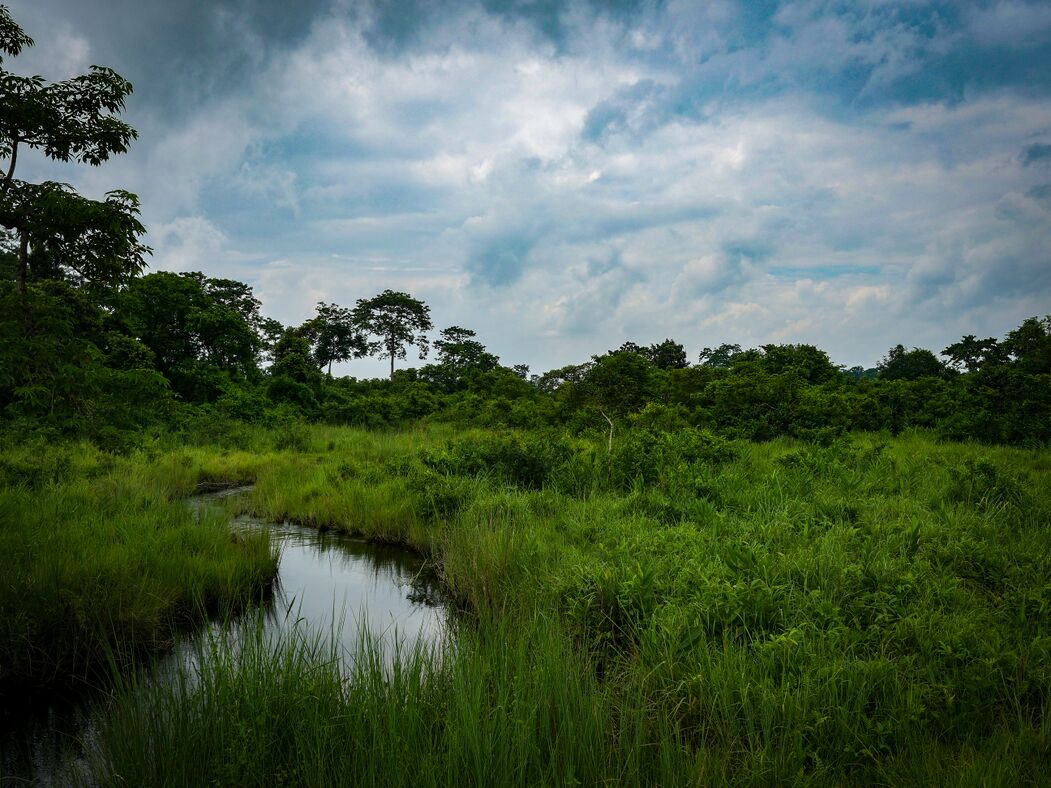
Featured Growing Areas
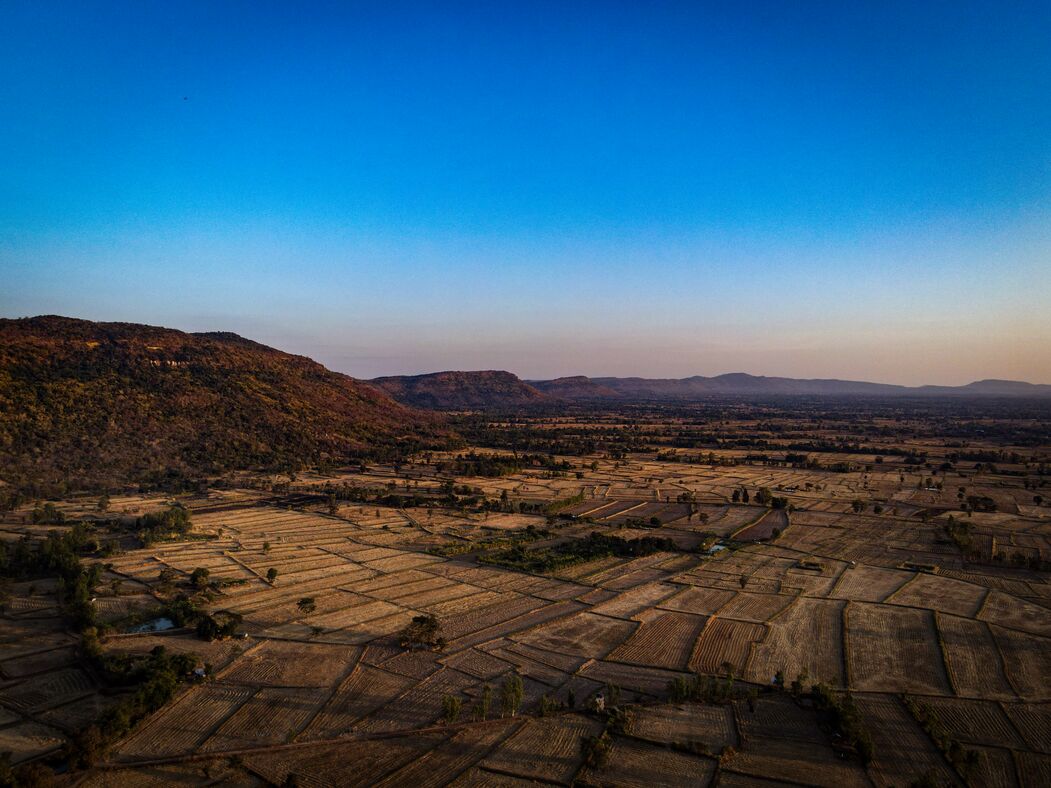
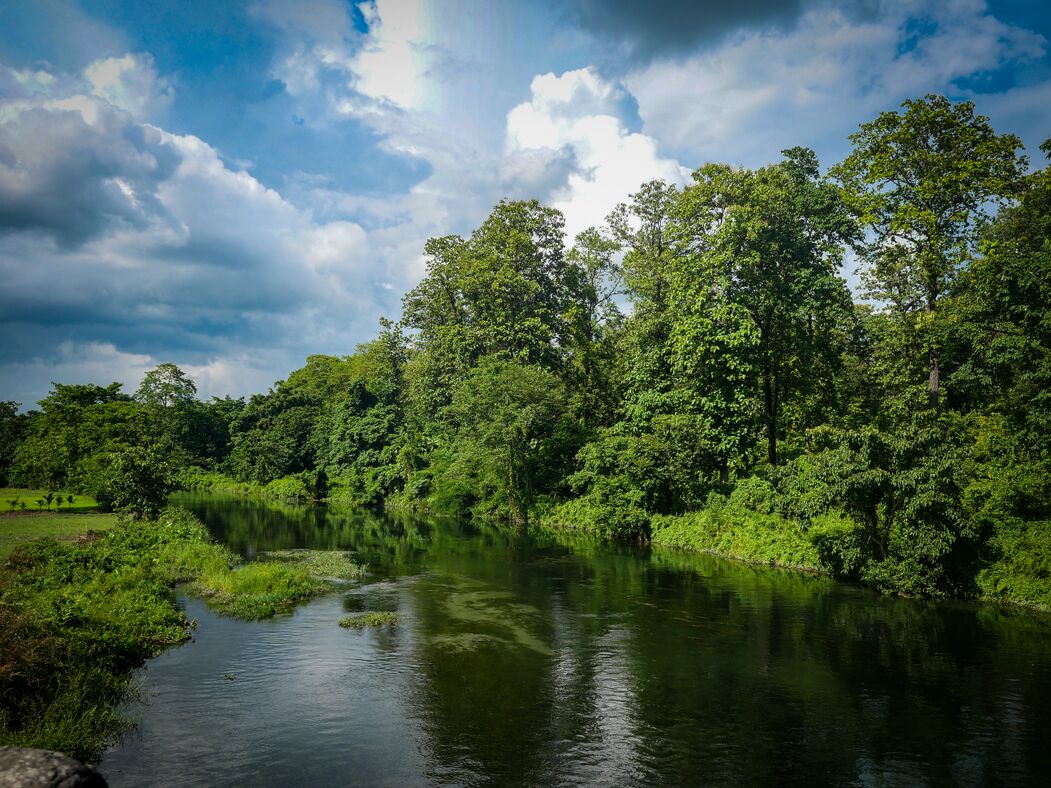
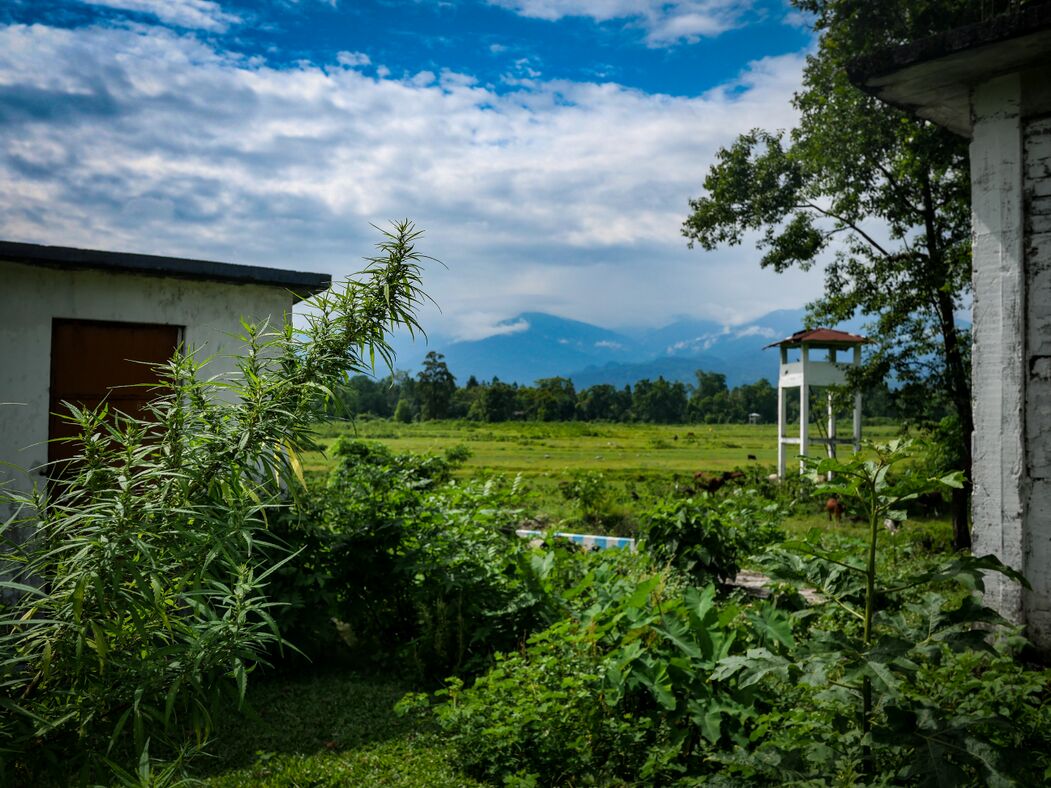
Featured Accessions
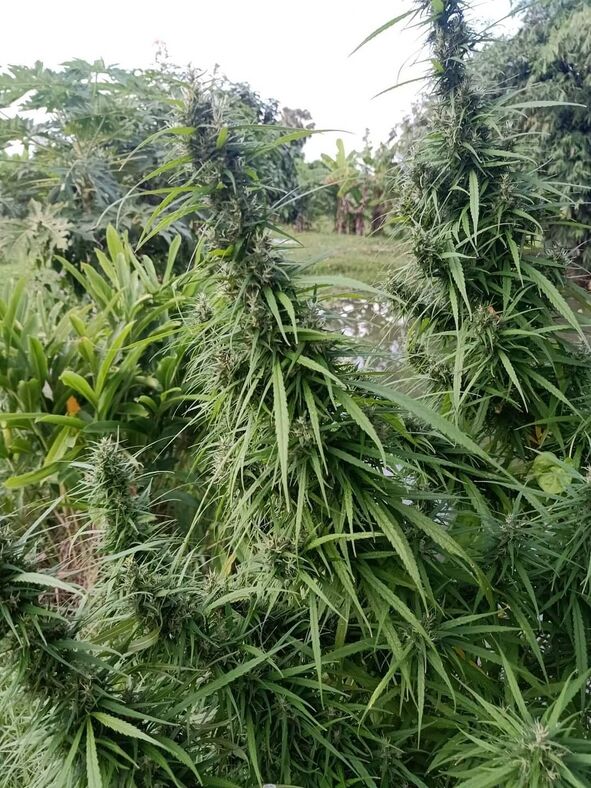
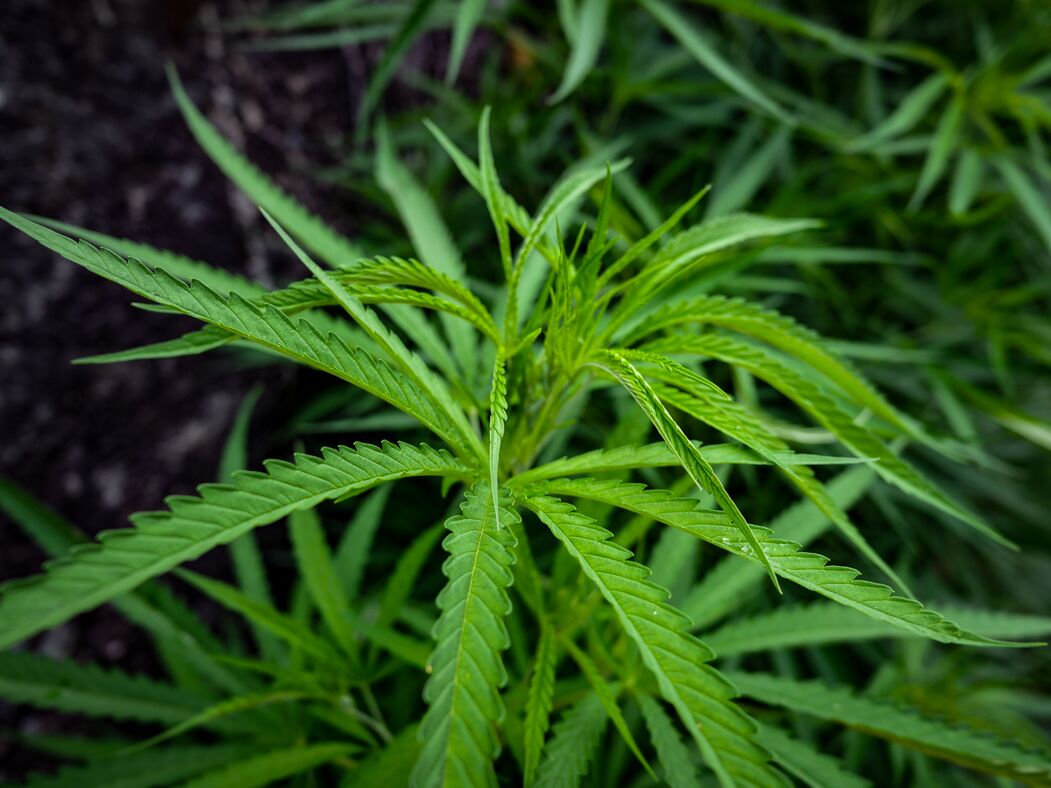

We are witnessing the rapid disappearance of traditional cultivation knowledge and genetic diversity in cannabis. These landrace populations represent thousands of years of natural and human selection, containing unique genetic traits and chemical profiles. Systematic documentation and conservation efforts can serve as a bridge, preserving irreplaceable genetic heritage while supporting traditional communities and advancing our understanding of this remarkable plant.
Recent updates