
Main Page
More actions
.png)
Landrace.wiki
The open database for landrace cannabis populations, their genetics and the traditional knowledge that sustains them.
Landrace.wiki is the open database for landrace cannabis—populations, their genetics, and the knowledge around them. Browse documented accessions, track conservation efforts, and contribute to preserving genetic diversity before it’s lost.
Landrace Cannabis Growing Region and Accession Map
- Stable8
- Vulnerable21
- Endangered43
- Critical89
- Extinct127
 <a href="/wiki/Conservation_Dashboard" style="display: inline-block; padding: 10px 18px; background: #2d5016; color: white; text-decoration: none; border-radius: 25px; font-weight: 600;">Open dashboard</a>
 <a href="/wiki/Growing_regions" style="display: inline-block; padding: 10px 18px; background: white; color: #2d5016; text-decoration: none; border-radius: 25px; border: 1px solid #ccc; font-weight: 600;">Browse regions</a>
 <a href="/wiki/Accessions" style="display: inline-block; padding: 10px 18px; background: white; color: #2d5016; text-decoration: none; border-radius: 25px; border: 1px solid #ccc; font-weight: 600;">Browse accessions</a>
 <a href="/wiki/Help:Documenting_accessions" style="display: inline-block; padding: 10px 18px; background: white; color: #2d5016; text-decoration: none; border-radius: 25px; border: 1px solid #ccc; font-weight: 600;">Contribute data</a>
Featured Growing Regions
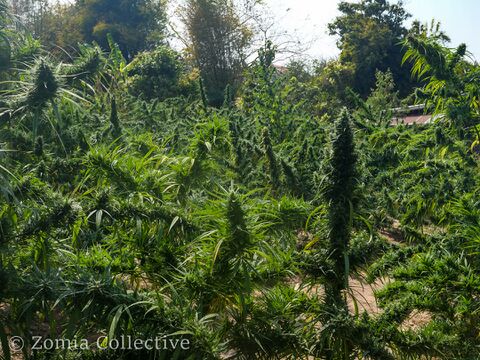
Khorat Plateau
Southeast Asia → Mekong Basin → Khorat Plateau
NLD heartland under hybrid pressure; core accessions at risk.
Critical 0 accessions
Profile coming soon
No image
Balkh Oasis
South Asia → Hindu Kush–Himalayan
Oasis agriculture with cold-night resin selection.
Endangered 0 accessions
Profile coming soon
No image
Malana
South Asia → Hindu Kush–Himalayan
High-elevation charas region; tourist hybrids increasing introgression risk.
Vulnerable 0 accessions
Profile coming soon
Featured Accessions
No image
No image
We are witnessing the rapid disappearance of traditional cultivation knowledge and genetic diversity in cannabis. These landrace populations represent thousands of years of natural and human selection, containing unique genetic traits and chemical profiles. Systematic documentation and conservation efforts can serve as a bridge—preserving irreplaceable genetic heritage while supporting traditional communities and advancing our understanding of this remarkable plant.
Explore the Database
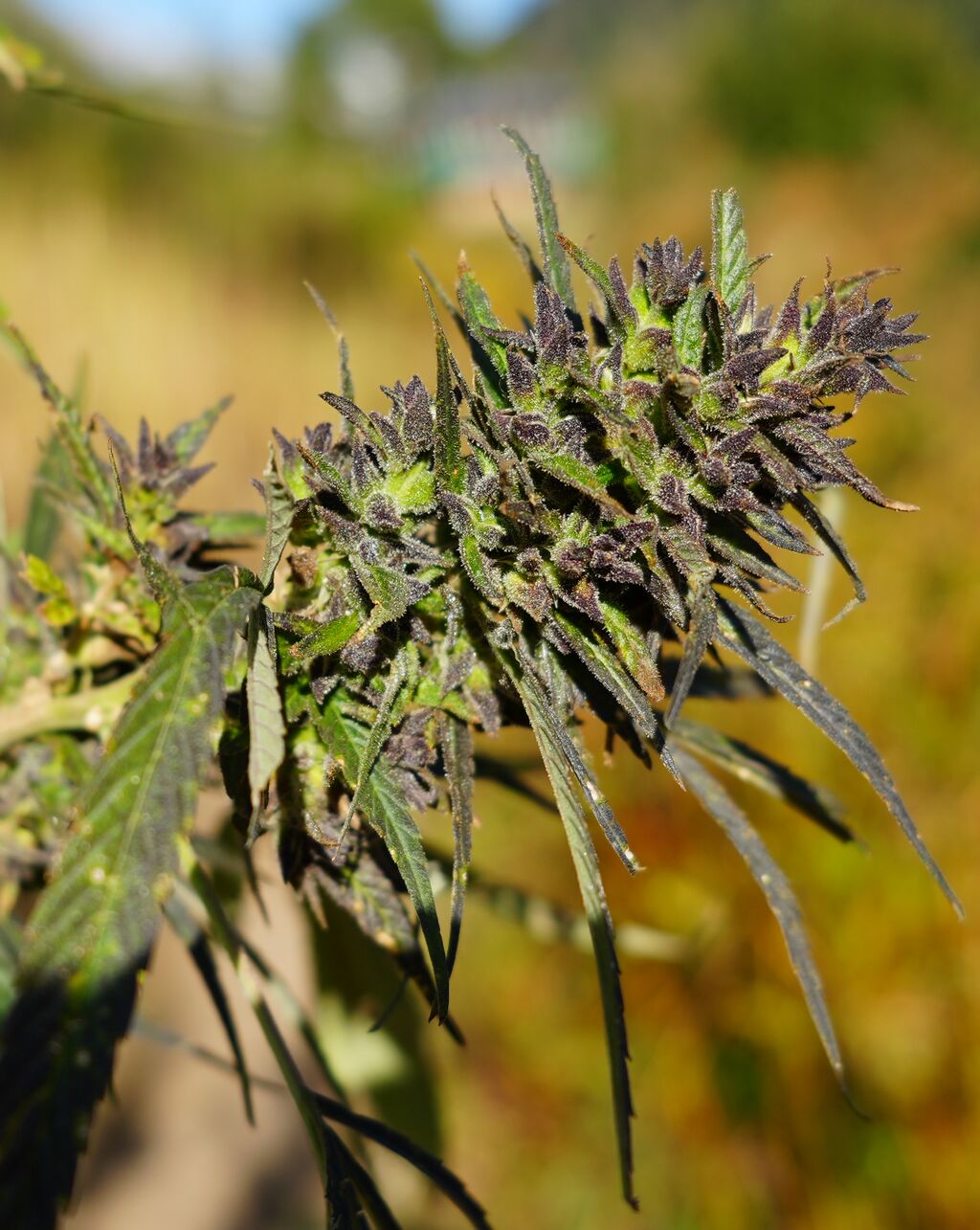
ZOM-IND-HIM-1020250005
Atolang Black Selection #1 2025 is a landrace cannabis accession documented by the Zomia Collective in India.
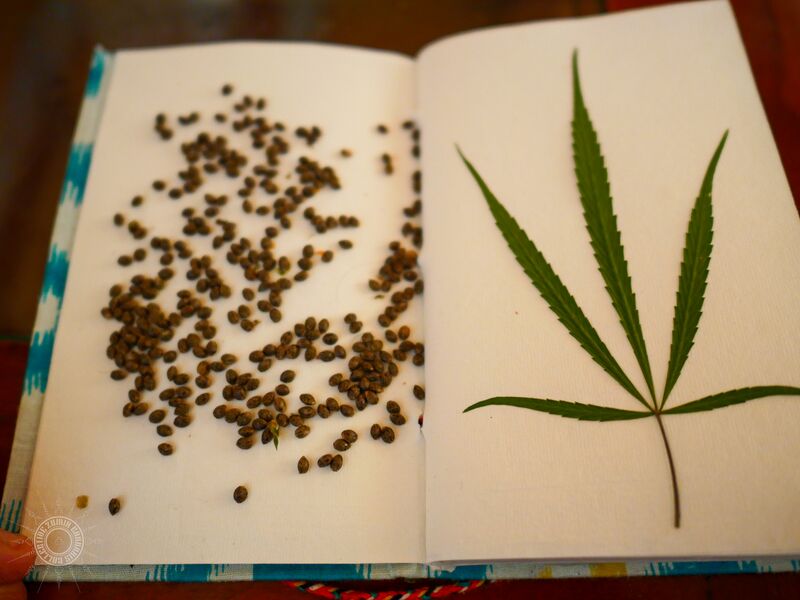
Cannabis sativa
Cannabis sativa L. is an annual flowering plant in the family Cannabaceae, first formally described by Carl Linnaeus in 1753. It is the type species and, under the monotypic treatment that is most widely cited in the cannabis-specific literature, the sole species of the genus Cannabis. The species encompasses cultivated and wild forms used for fibre, seed and drug production and has been cultivated across most of the inhabited world since antiquity.
Cannabis sativa is dioecious, wind-pollinated and photoperiod-sensitive. Wild and feral populations persist across temperate Asia and the species has naturalised in disturbed habitats on every continent except Antarctica.
Small and Cronquist (1976) divided the species into two subspecies: subsp. sativa (cultivated and wild hemp) and subsp. indica (drug-type forms described as a separate species by Lamarck in 1785). Cultivation falls into three categories: fibre cultivars selected for tall stems with high bast content; oilseed forms grown for achene production; and drug-type plants grown for the resinous pistillate inflorescence, which accumulates THC, CBD and other cannabinoids. Traditional landraces are often multi-purpose, yielding multiple products from a single planting. read more →
Encyclopedia
Latest reporting
Latest publications
Cannabis eradications
Recent updates
List of abbreviations:
- N
- This edit created a new page (also see list of new pages)
- m
- This is a minor edit
- b
- This edit was performed by a bot
- (±123)
- The page size changed by this number of bytes
2 July 2026
|
|
N 15:45 | The African Roots of Marijuana (2019) 3 changes history +6,240 [Eloise Zomia (3×)] | |||
|
|
15:45 (cur | prev) 0 Eloise Zomia talk contribs (Reconcile record date 2026-07-01 to 2026-07-02) | ||||
|
|
15:22 (cur | prev) +51 Eloise Zomia talk contribs | ||||
| N |
|
15:07 (cur | prev) +6,189 Eloise Zomia talk contribs (Create book page: The African Roots of Marijuana (Duvall 2019) — via book-author pipeline) | |||
|
|
N 15:45 | Research:2019-01-01/Journal article/a-brief-agricultural-history-of-cannabis-in-africa-from-prehistory-to-canna-colony 2 changes history +2,541 [Eloise Zomia (2×)] | |||
|
|
15:45 (cur | prev) 0 Eloise Zomia talk contribs (Reconcile record date 2026-07-01 to 2026-07-02) | ||||
| N |
|
14:19 (cur | prev) +2,541 Eloise Zomia talk contribs (Create research item (Global South leads: Rusenga et al. 2024 / Duvall 2019)) | |||
|
|
N 15:45 | Research:2024-03-15/Journal article/business-as-usual-cannabis-legalisation-and-agrarian-change-in-zimbabwe 2 changes history +6,029 [Eloise Zomia (2×)] | |||
|
|
15:45 (cur | prev) 0 Eloise Zomia talk contribs (Reconcile record date 2026-07-01 to 2026-07-02) | ||||
| N |
|
14:19 (cur | prev) +6,029 Eloise Zomia talk contribs (Create research item (Global South leads: Rusenga et al. 2024 / Duvall 2019)) | |||
|
|
N 15:45 | Research:2026-05-08/Journal article/genetic-architecture-of-phenological-morphological-and-phytochemical-traits-in-cannabis-landraces 2 changes history +3,005 [Eloise Zomia (2×)] | |||
|
|
15:45 (cur | prev) 0 Eloise Zomia talk contribs (Reconcile record date 2026-07-01 to 2026-07-02) | ||||
| N |
|
13:53 (cur | prev) +3,005 Eloise Zomia talk contribs (Create research item: Babaei & Torkamaneh 2026, genetic architecture of Cannabis landraces (Iran)) | |||
| 15:22 | Upload log Eloise Zomia talk contribs uploaded File:AfricanRootsofMarijuana.jpg | ||||
