
Main Page
More actions
.png)
Landrace.wiki
The open database for landrace cannabis populations, their genetics and the traditional knowledge that sustains them.
Landrace.wiki is a comprehensive, community powered database for traditional cannabis genetics and their conservation status. Browse our collection of documented landrace accessions, track conservation efforts and contribute to preserving genetic diversity before it's lost forever.
Conservation Status Dashboard:
288 known and 128 documented landrace cannabis growing regions globally
Current status: 🟢 8 Stable • 🟡 21 Vulnerable • 🟠 43 Endangered • 🔴 89 Critical • ⚫ 127 Extinct • ⚪ 161 Unknown
Documentation: 1450 accessions documented from 12 Growing Regions
→ Full Dashboard → Help Document Accessions → See all Accessions → See all Growing Regions
Featured Accessions
🔴 Critical • Northeastern Thailand
Legendary landrace sativa known to many as 'Thai Sticks', grown in the Phu Phan hills of Sakhon Nakhon province in Northeastern Thailand. Famed for soaring cerebral effects and traditional bamboo stick curing. Facing extreme pressure from hybrid contamination and changing cultivation practices.
🟠 Endangered • Northern Afghanistan
Heavy indica from Afghanistan's historic hash-making region. Dense, resinous buds with sedating effects. Population declining due to ongoing regional conflicts and security issues.
🟡 Vulnerable • Himachal Pradesh, India
Sacred variety from the isolated village of Malana, traditionally used for high-grade charas production. Facing extinction from tourism pressure and commercialization.
We are witnessing the rapid disappearance of traditional cultivation knowledge and genetic diversity in cannabis. These landrace populations represent thousands of years of natural and human selection, containing unique genetic traits and chemical profiles. Systematic documentation and conservation efforts can serve as a bridge—preserving irreplaceable genetic heritage while supporting traditional communities and advancing our understanding of this remarkable plant.
Explore the Database
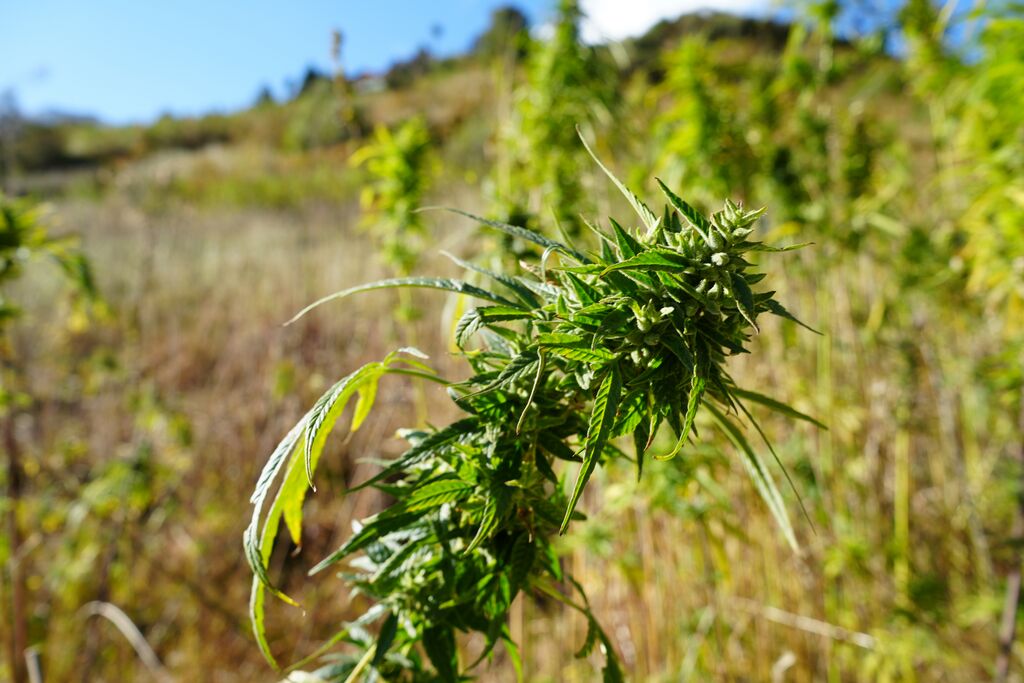
ZOM-IND-HIM-1020250004
Atolang Green Mango Selection 2025 is a landrace cannabis accession documented by the Zomia Collective in India.
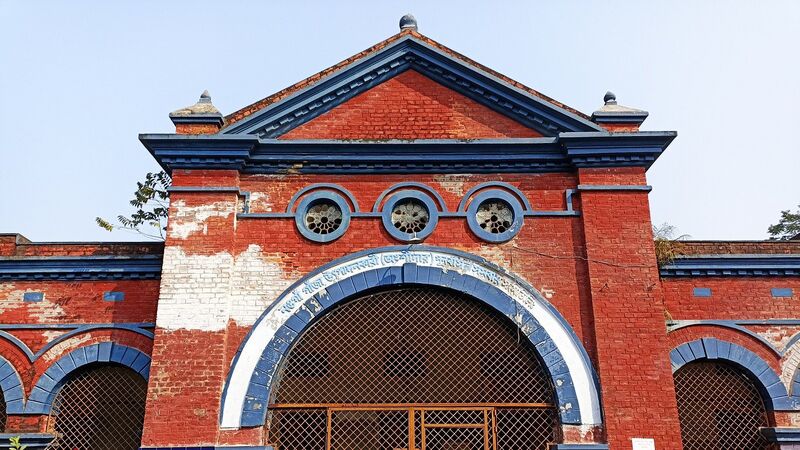
Bengal Presidency cannabis trade

Bengal Presidency cannabis trade refers to the licensed, excise-regulated commerce in cannabis preparations - ganja, bhang and charas - across the Bengal Presidency under East India Company and Crown rule, from the consolidation of Company authority in the late eighteenth century to Partition in 1947. From the 1790s the colonial state taxed cannabis through a licensing system inherited from Mughal-era *abkari* (excise) practice, and over the nineteenth century it confined licensed cultivation to a single small tract in northern Bengal, the Ganja Mahal around Naogaon, while the manufactured product was distributed and consumed across the Presidency and beyond.
The trade was built on a graduated excise duty levied at the point of issue from licensed warehouses, on a small body of wholesale dealers who carried the drug under transport permit, and on a network of licensed retail shops. It was examined in detail by the Indian Hemp Drugs Commission of 1893–94, which rejected prohibition and recommended that the Bengal model of confined cultivation, warehouse monopoly and high duty be extended to the other provinces of British India. Although it generated significant revenue, the cannabis trade was always far smaller than the opium trade that dominated colonial fiscal policy in Bengal. … read more →
Encyclopedia
Latest reporting
Latest publications
Cannabis eradications
Recent Updates
List of abbreviations:
- N
- This edit created a new page (also see list of new pages)
- m
- This is a minor edit
- b
- This edit was performed by a bot
- (±123)
- The page size changed by this number of bytes
4 July 2026
|
|
01:57 | Ethnobotanical Aspects of Cannabis in Southeast Asia (1975) 2 changes history −469 [Eloise Zomia (2×)] | |||
|
|
01:57 (cur | prev) +202 Eloise Zomia talk contribs (CS1 conform: convert raw-inline refs to cite templates) | ||||
|
|
01:03 (cur | prev) −671 Eloise Zomia talk contribs (Re-type Historical Source -> Book chapter; up-link parent volume; harmonise imprint) | ||||
|
|
N 01:57 | Template:Infobox Book chapter 2 changes history +3,031 [Eloise Zomia (2×)] | |||
|
|
01:57 (cur | prev) +34 Eloise Zomia talk contribs (Emit Has source editor from editor param) | ||||
| N |
|
01:03 (cur | prev) +2,997 Eloise Zomia talk contribs (Create {{Infobox Book chapter}} (new Book chapter page type)) | |||
| 01:57 | Template:Infobox Historical Source diffhist +34 Eloise Zomia talk contribs (Emit Has source editor from editor param) | ||||
| 01:57 | Template:Infobox book diffhist +46 Eloise Zomia talk contribs (Emit Has source editor; Has source author falls back to editor for edited volumes) | ||||
| N 01:03 | Cannabis and Culture (1975) diffhist +12,565 Eloise Zomia talk contribs (Create Cannabis and Culture (1975) Book page (Vera Rubin ed., Mouton 1975)) | ||||
| N 01:03 | Category:Book chapters diffhist +308 Eloise Zomia talk contribs (Create Category:Book chapters) | ||||
| N 01:03 | Property:Has parent volume diffhist +362 Eloise Zomia talk contribs (Create Has parent volume (Page-typed): links a Book chapter to its parent Book volume) | ||||
3 July 2026
| N 19:40 | Research:2025-01-01/Journal article/comparative-analysis-of-cannabis-legalization-in-south-africa-and-zimbabwe-trajectories-commonalities-and diffhist +1,557 Eloise Zomia talk contribs (Create ResearchItem record (South Africa batch 2026-07-03; citation-verified via Crossref)) | ||||