
Main Page
More actions
.png)
Landrace.wiki
The open database for landrace cannabis populations, their genetics and the traditional knowledge that sustains them.
Landrace.wiki is a comprehensive, community powered database for traditional cannabis genetics and their conservation status. Browse our collection of documented landrace accessions, track conservation efforts and contribute to preserving genetic diversity before it's lost forever.
Conservation Status Dashboard:
288 known and 128 documented landrace accessions globally
Current status: 🟢 8 Stable • 🟡 21 Vulnerable • 🟠 43 Endangered • 🔴 89 Critical • ⚫ 127 Extinct • ⚪ 161 Unknown
Featured Accessions
🔴 Critical • Northeastern Thailand
Legendary landrace sativa known to many as 'Thai Sticks', grown in the Phu Phan hills of Sakhon Nakhon province in Northeastern Thailand. Famed for soaring cerebral effects and traditional bamboo stick curing. Facing extreme pressure from hybrid contamination and changing cultivation practices.
🟠 Endangered • Northern Afghanistan
Heavy indica from Afghanistan's historic hash-making region. Dense, resinous buds with sedating effects. Population declining due to ongoing regional conflicts and security issues.
🟡 Vulnerable • Himachal Pradesh, India
Sacred variety from the isolated village of Malana, traditionally used for high-grade charas production. Facing extinction from tourism pressure and commercialization.
We are witnessing the rapid disappearance of traditional cultivation knowledge and genetic diversity in cannabis. These landrace populations represent thousands of years of natural and human selection, containing unique genetic traits and chemical profiles. Systematic documentation and conservation efforts can serve as a bridge—preserving irreplaceable genetic heritage while supporting traditional communities and advancing our understanding of this remarkable plant.
Explore the Database
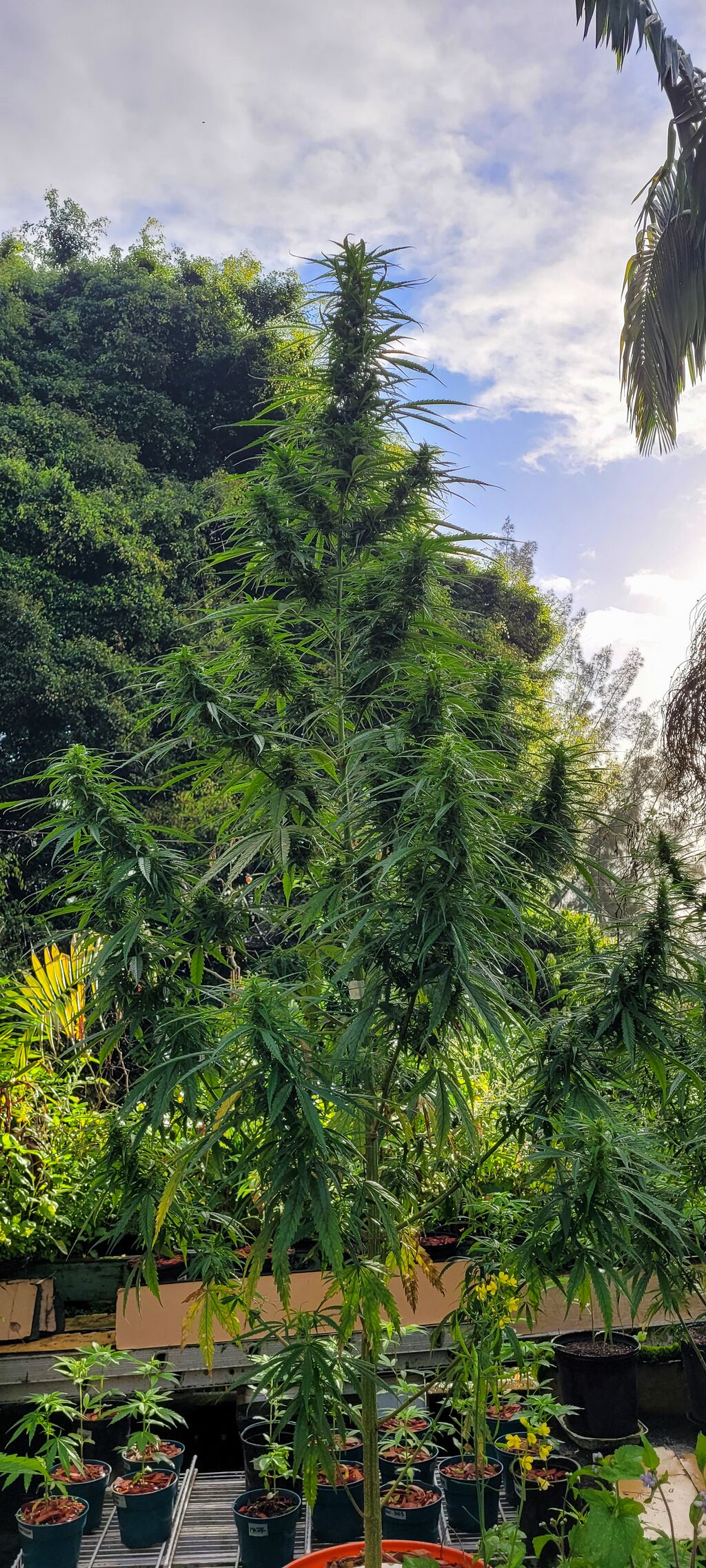
ZOM-THA-001-0020210003
Tanaosri 'Red Star' General Population 2021 is a landrace cannabis accession documented by the Zomia Collective in Thailand.
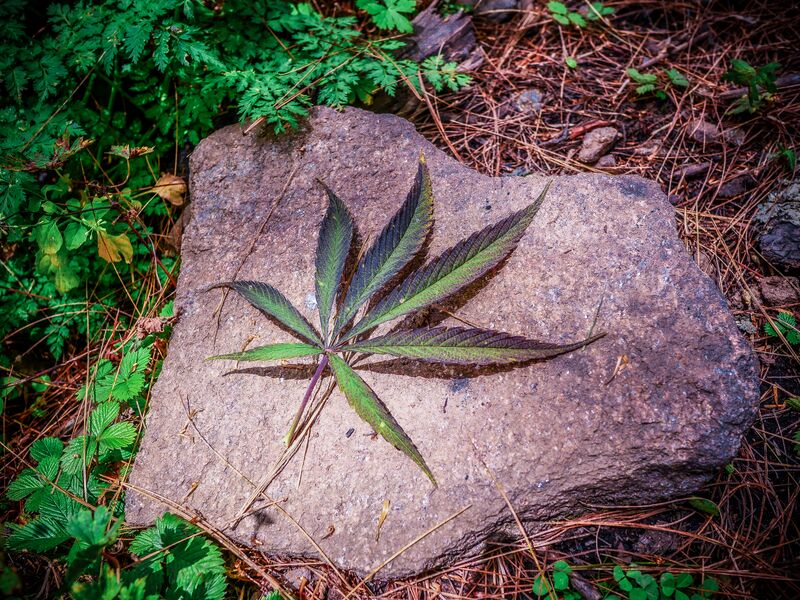
Cannabaceae
Cannabaceae is a small family of flowering plants in the order Rosales, containing about ten genera and between approximately 117 and 170 species, with the precise count depending on the treatment of variable genera such as Trema, Parasponia and Celtis. The family includes the herbaceous genera Cannabis (hemp) and Humulus (hops), which are its most economically important members, alongside the woody genera Celtis (hackberries), Trema, Aphananthe, Chaetachme, Gironniera, Lozanella, Parasponia and Pteroceltis. It is sometimes called the hemp family.
The family is recognised in its present, expanded form only since the early 2000s. Earlier botanists placed Cannabis and Humulus variously in Urticaceae or Moraceae, and the remaining genera in a separate family Celtidaceae. Molecular phylogenetic analyses of plastid DNA in the late 1990s and early 2000s showed that Cannabis and Humulus are nested within former Celtidaceae genera, and that the combined group is best treated as a single family. Under priority rules, Cannabaceae, the older family name, was retained.
Few morphological characters apply to every member of the family. Cannabaceae includes trees, shrubs, erect herbs and twining vines; leaves may be alternate, opposite or both on the same plant; and fruits may be drupes, samaras or achenes. The family is held together by molecular evidence and a small set of supporting characters including usually unisexual and inconspicuous flowers, antitepalous stamens, the presence of stipules and diporate or triporate pollen. read more →
Encyclopedia
Latest reporting
Latest publications
Cannabis eradications
Recent Updates
List of abbreviations:
- N
- This edit created a new page (also see list of new pages)
- m
- This is a minor edit
- b
- This edit was performed by a bot
- (±123)
- The page size changed by this number of bytes
4 July 2026
|
|
01:57 | Ethnobotanical Aspects of Cannabis in Southeast Asia (1975) 2 changes history −469 [Eloise Zomia (2×)] | |||
|
|
01:57 (cur | prev) +202 Eloise Zomia talk contribs (CS1 conform: convert raw-inline refs to cite templates) | ||||
|
|
01:03 (cur | prev) −671 Eloise Zomia talk contribs (Re-type Historical Source -> Book chapter; up-link parent volume; harmonise imprint) | ||||
|
|
N 01:57 | Template:Infobox Book chapter 2 changes history +3,031 [Eloise Zomia (2×)] | |||
|
|
01:57 (cur | prev) +34 Eloise Zomia talk contribs (Emit Has source editor from editor param) | ||||
| N |
|
01:03 (cur | prev) +2,997 Eloise Zomia talk contribs (Create {{Infobox Book chapter}} (new Book chapter page type)) | |||
| 01:57 | Template:Infobox Historical Source diffhist +34 Eloise Zomia talk contribs (Emit Has source editor from editor param) | ||||
| 01:57 | Template:Infobox book diffhist +46 Eloise Zomia talk contribs (Emit Has source editor; Has source author falls back to editor for edited volumes) | ||||
| N 01:03 | Cannabis and Culture (1975) diffhist +12,565 Eloise Zomia talk contribs (Create Cannabis and Culture (1975) Book page (Vera Rubin ed., Mouton 1975)) | ||||
| N 01:03 | Category:Book chapters diffhist +308 Eloise Zomia talk contribs (Create Category:Book chapters) | ||||
| N 01:03 | Property:Has parent volume diffhist +362 Eloise Zomia talk contribs (Create Has parent volume (Page-typed): links a Book chapter to its parent Book volume) | ||||
3 July 2026
| N 19:40 | Research:2025-01-01/Journal article/comparative-analysis-of-cannabis-legalization-in-south-africa-and-zimbabwe-trajectories-commonalities-and diffhist +1,557 Eloise Zomia talk contribs (Create ResearchItem record (South Africa batch 2026-07-03; citation-verified via Crossref)) | ||||