
Main Page: Difference between revisions
More actions
Eloise Zomia (talk | contribs) No edit summary |
Eloise Zomia (talk | contribs) No edit summary |
||
| Line 2: | Line 2: | ||
<templatestyles src="Template:Main Page - styles/styles.css" /> | <templatestyles src="Template:Main Page - styles/styles.css" /> | ||
{{Main Page - header}} | {{Main Page - header}} | ||
{{Home/ConservationPanel}} | {{Home/ConservationPanel}} | ||
{{Home/Map}} | {{Home/Map}} | ||
Revision as of 13:53, 1 April 2026
.png)
Landrace.wiki
The open database for landrace cannabis populations, their genetics and the traditional knowledge that sustains them.
39% of landrace accessions documented are assessed as critical or high conservation priority
- Critical76
- High94
- Medium161
- Low54
Browse Accessions
What's Happening
Understanding Landraces
Field Documentation
Ways to Contribute
About & Get Started
Featured Growing Regions
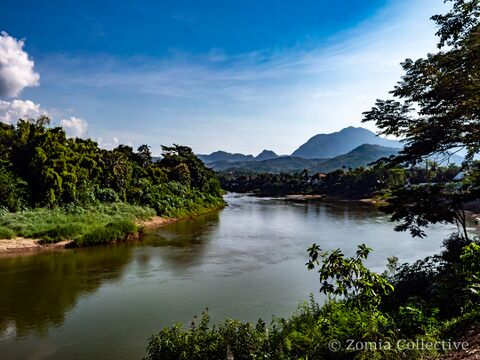
Northern Laos
Highland Lao Gene Pool- Upper Lao Mekong
Northern Laos landrace cannabis growing region
Vulnerable 3 accessions
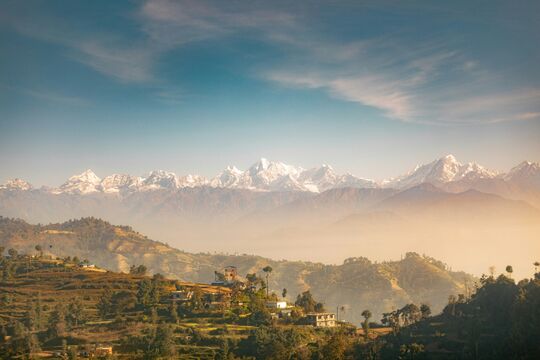
Central Himalayas
South Asian Gene Pool- Himalayas
Mid-to-high elevation Himalayan cultivation zone across far-western Nepal river valleys and uplands
Vulnerable 0 accessions
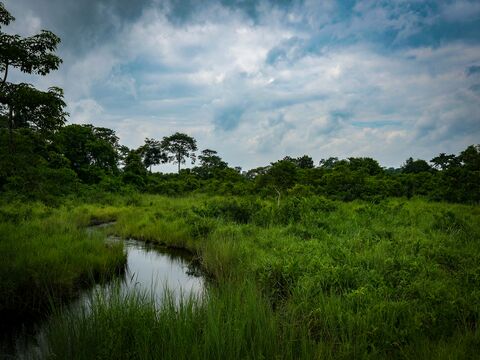
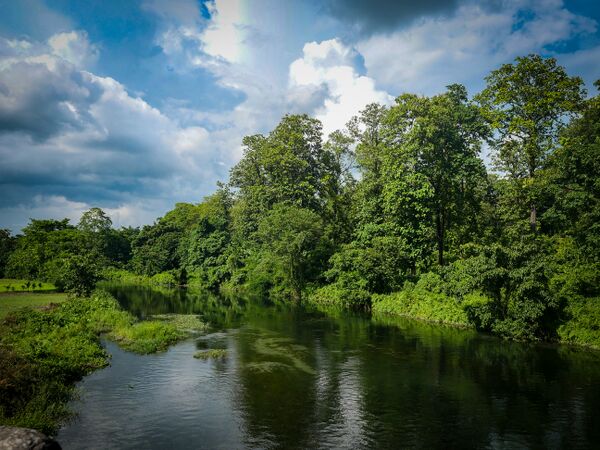
The Dooars
South Asian Gene Pool- Eastern Plains
Terai belt region where traditional cannabis cultivation faces modernization pressures
Vulnerable 52 accessions
Featured Growing Areas
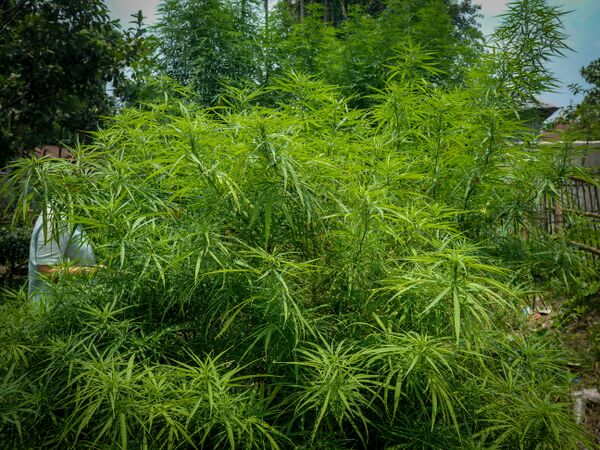
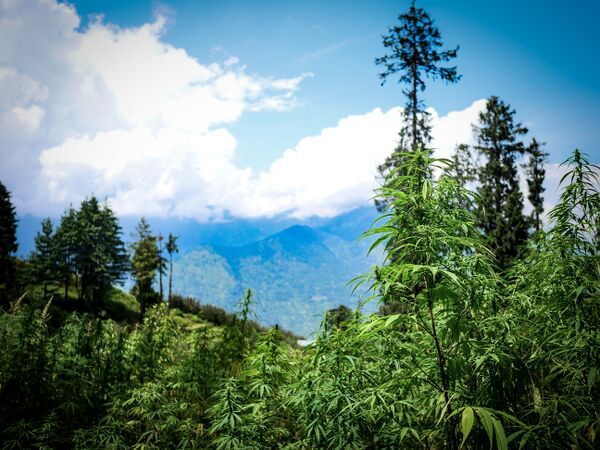
Kullu
Core charas-producing district of Himachal Pradesh centered on the Beas valley and its tributary cultivation valleys
0 appellations 10 accessions
Featured Accessions
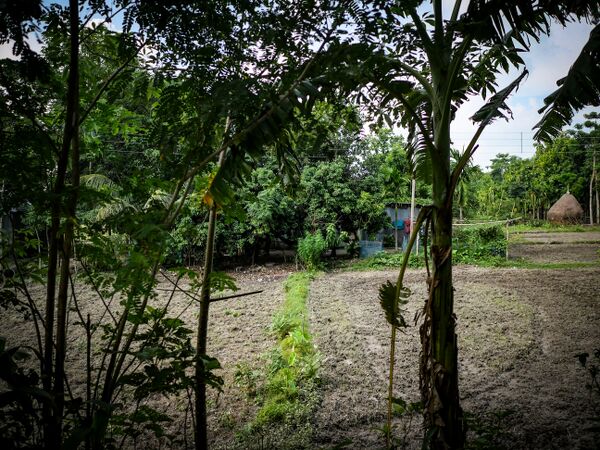
Patlakhawa General Population 2024
Region: The Dooars Area: Chilapata
No image
No image
We are witnessing the rapid disappearance of traditional cultivation knowledge and genetic diversity in cannabis. These landrace populations represent thousands of years of natural and human selection, containing unique genetic traits and chemical profiles. Systematic documentation and conservation efforts can serve as a bridge—preserving irreplaceable genetic heritage while supporting traditional communities and advancing our understanding of this remarkable plant.
Recent updates
List of abbreviations:
- N
- This edit created a new page (also see list of new pages)
- m
- This is a minor edit
- b
- This edit was performed by a bot
- (±123)
- The page size changed by this number of bytes
1 April 2026
|
|
14:26 | Main Page 2 changes history −19 [Eloise Zomia (2×)] | |||
|
|
14:26 (cur | prev) 0 Eloise Zomia talk contribs | ||||
|
|
13:53 (cur | prev) −19 Eloise Zomia talk contribs | ||||
|
|
14:19 | Template:Main Page - styles/styles.css 2 changes history −231 [Eloise Zomia (2×)] | |||
|
|
14:19 (cur | prev) 0 Eloise Zomia talk contribs | ||||
|
|
13:54 (cur | prev) −231 Eloise Zomia talk contribs | ||||
|
|
14:19 | Template:Main Page - header 2 changes history +51 [Eloise Zomia (2×)] | |||
|
|
14:19 (cur | prev) 0 Eloise Zomia talk contribs | ||||
|
|
13:51 (cur | prev) +51 Eloise Zomia talk contribs | ||||
|
|
12:12 | Template:Home/ConservationPanel.css 2 changes history −1,615 [Eloise Zomia (2×)] | |||
|
|
12:12 (cur | prev) +119 Eloise Zomia talk contribs | ||||
|
|
12:04 (cur | prev) −1,734 Eloise Zomia talk contribs | ||||
|
|
12:12 | Template:Home/ConservationPanel 2 changes history −141 [Eloise Zomia (2×)] | |||
|
|
12:12 (cur | prev) +33 Eloise Zomia talk contribs | ||||
|
|
12:04 (cur | prev) −174 Eloise Zomia talk contribs | ||||