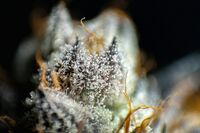
Glandular trichomes are the primary site of cannabinoid and terpene biosynthesis in cannabis. These specialized epidermal structures occur in three main types: bulbous trichomes (10-15 μm), capitate-sessile trichomes (25-30 μm), and capitate-stalked trichomes (50-500 μm). The largest capitate-stalked trichomes feature a multicellular stalk topped by a secretory head composed of disc cells that synthesize and accumulate cannabinoids, terpenes, and flavonoids in a subcuticular storage cavity.
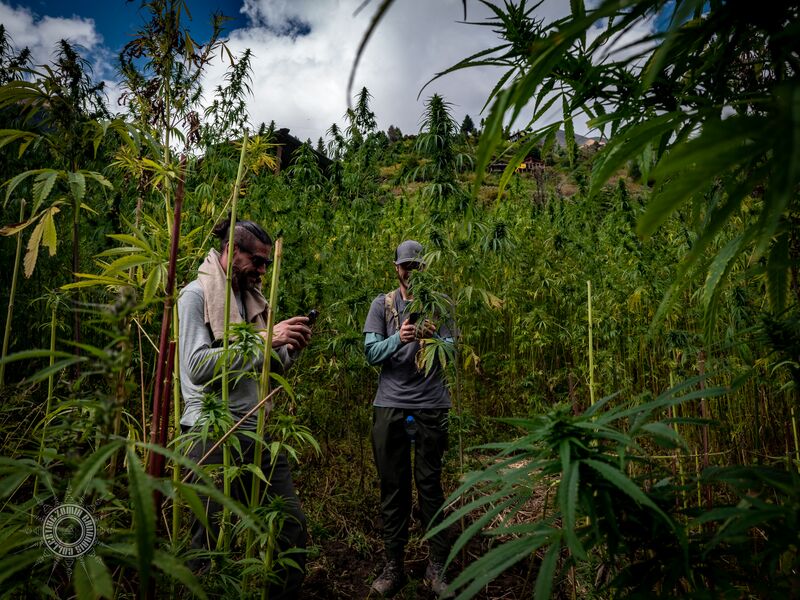
Trichome density varies dramatically between landrace populations, correlating with environmental pressures such as UV radiation, herbivory, and water stress. Highland varieties from regions like the Hindu Kush often display exceptionally dense trichome coverage, while lowland tropical varieties may show sparser but larger trichomes. The chemical profile of trichome secretions also varies regionally—some populations produce predominantly THC, others CBD, while many landrace varieties maintain balanced cannabinoid ratios reflecting their traditional uses.